February 27, 2026/
No Comments
The transportation industry is the backbone of economic growth. From road logistics and fleet management to warehousing, ports, aviation, and public transit, every segment depends on a reliable and skilled workforce.
The transportation industry is the backbone of economic growth. From road logistics and fleet management to warehousing, ports, aviation, and public transit, every segment depends on a reliable and skilled workforce.

In today’s competitive business landscape, companies aiming for aggressive growth must prioritize one critical pillar—distribution hiring for market expansion. Whether entering new geographies, launching new product lines, or strengthening channel presence, the success of expansion strategies depends heavily on building a strong, reliable, and scalable distribution workforce.
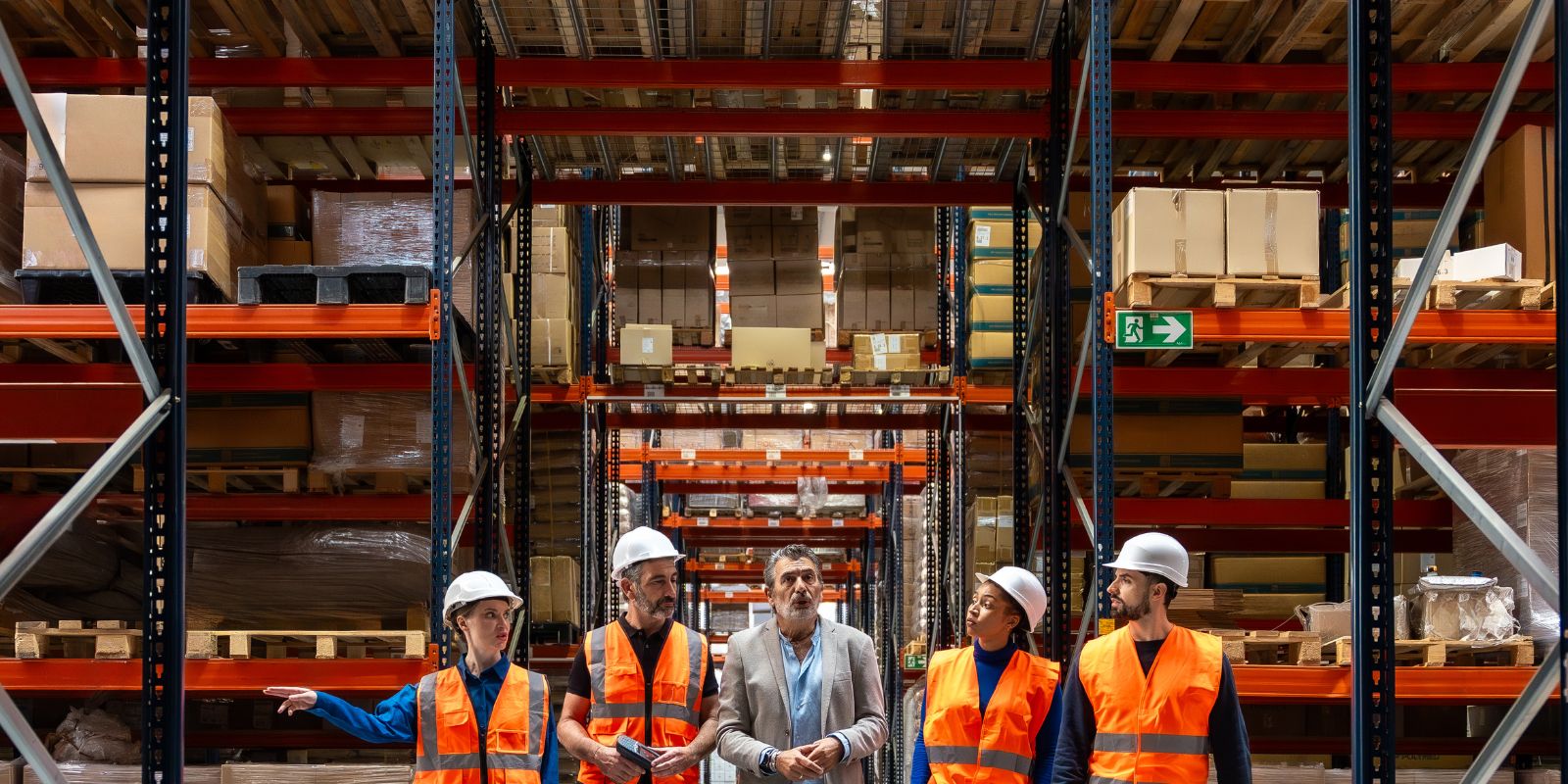
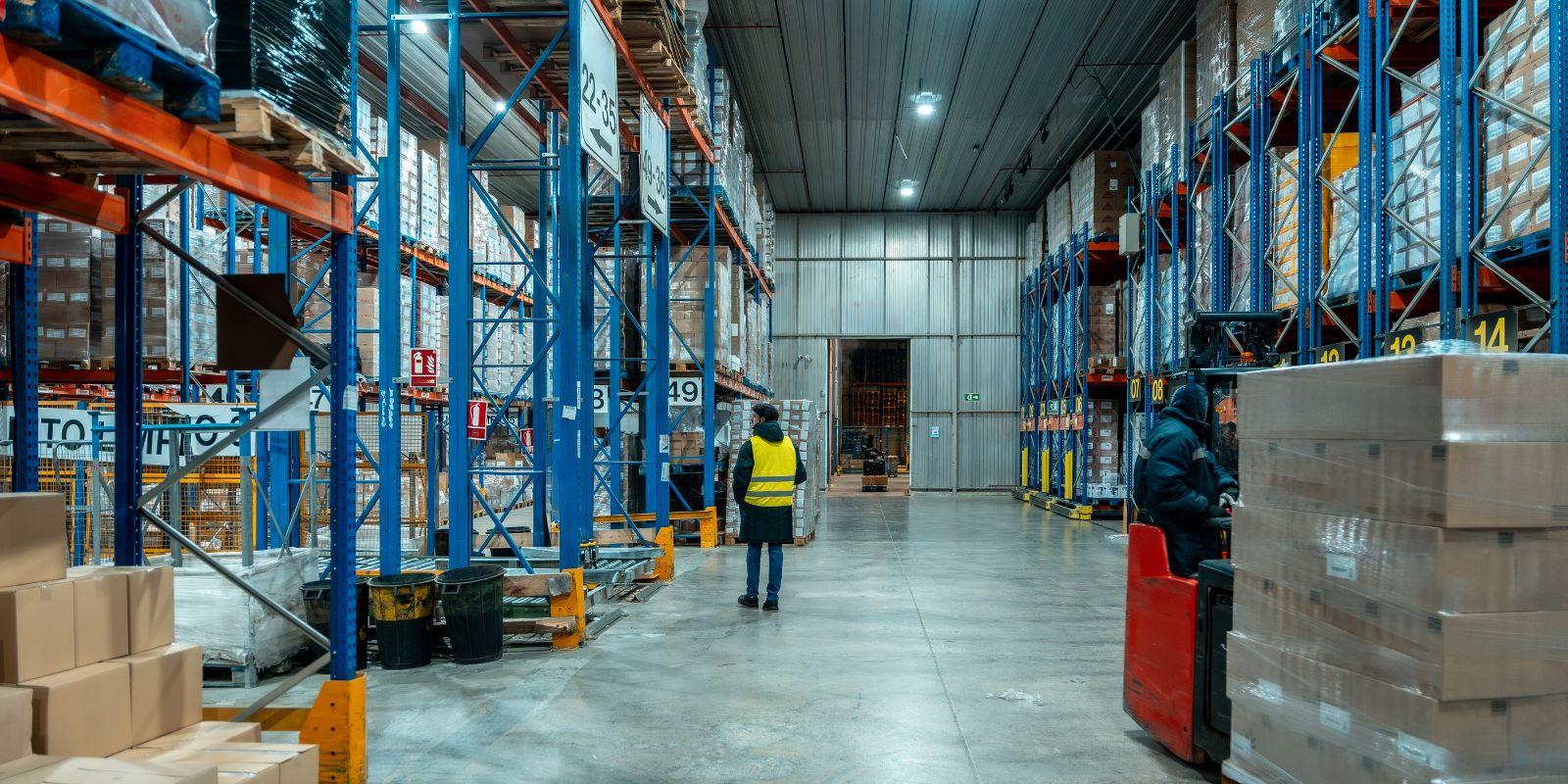
In today’s fast-moving supply chain ecosystem, warehouse operations play a critical role in ensuring seamless distribution, faster deliveries, and consistent customer satisfaction. With the rapid growth of e-commerce, manufacturing, retail, and third-party logistics (3PL), warehouses are under constant pressure to increase productivity while reducing operational costs.

In today’s interconnected global economy, supply chains operate under constant pressure. From fluctuating customer demand to transportation disruptions and raw material shortages, businesses must prepare for uncertainty at every level.

The logistics industry has evolved into one of the most dynamic and competitive sectors in today’s economy. With the rise of e-commerce, rapid urbanization, global trade expansion, and increasing customer expectations for faster deliveries, companies must build strong, scalable, and reliable teams.
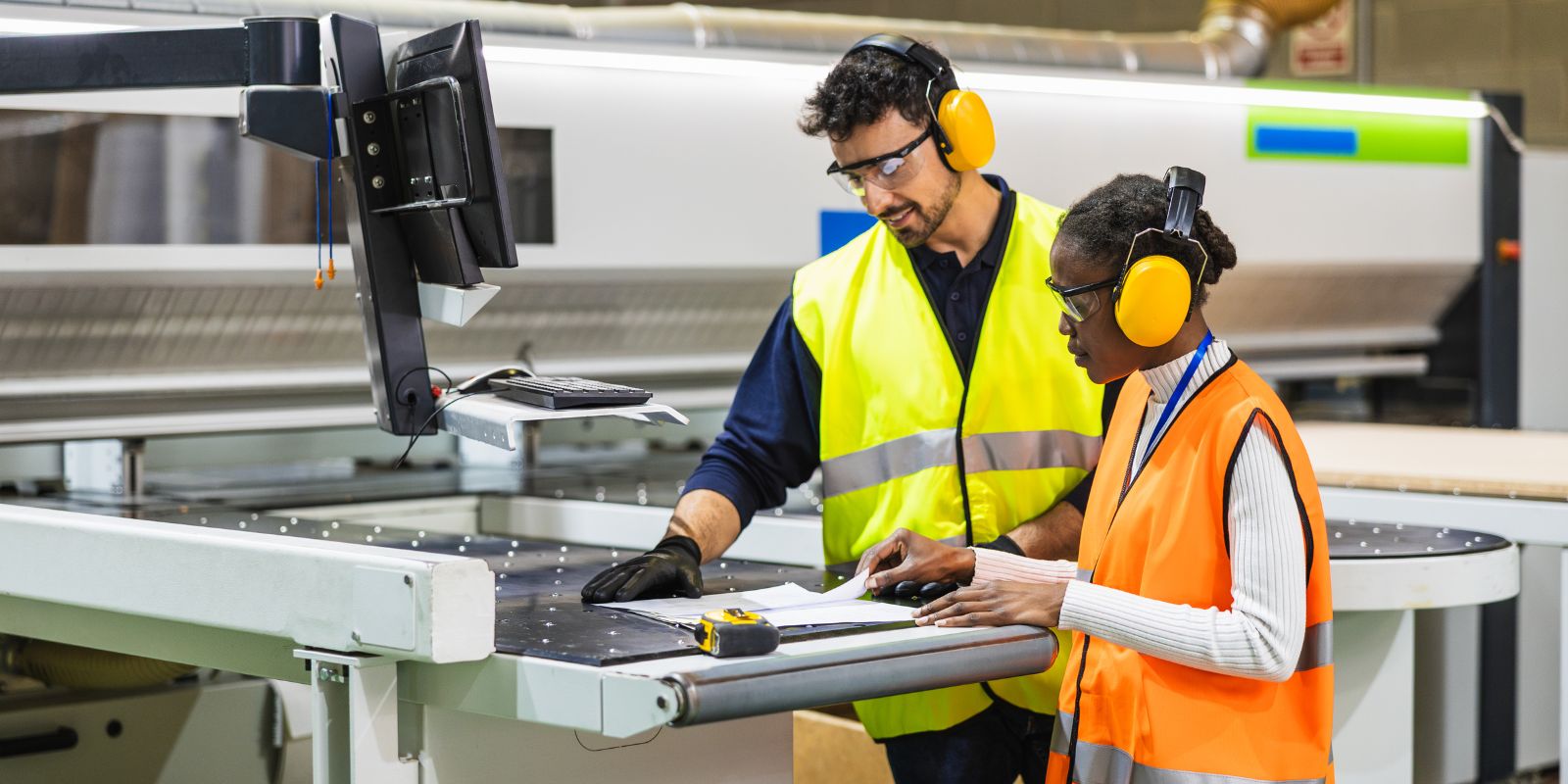
In today’s fast-evolving business landscape, enterprises cannot afford talent shortages, productivity gaps, or compliance risks caused by poor workforce alignment. Skilled labor planning for enterprises has become a strategic necessity rather than just an HR function.

The manufacturing industry is evolving at an unprecedented pace. Automation, digital transformation, supply chain shifts, and sustainability goals are reshaping how factories operate. To stay competitive, organizations must rethink how they attract, hire, and retain talent.
In today’s competitive manufacturing landscape, factories must do more than simply hire workers — they must develop, retain, and future-proof their workforce. With rapid technological shifts driven by automation, digitalization, and global supply chain changes, workforce development has become a strategic priority rather than an HR function.
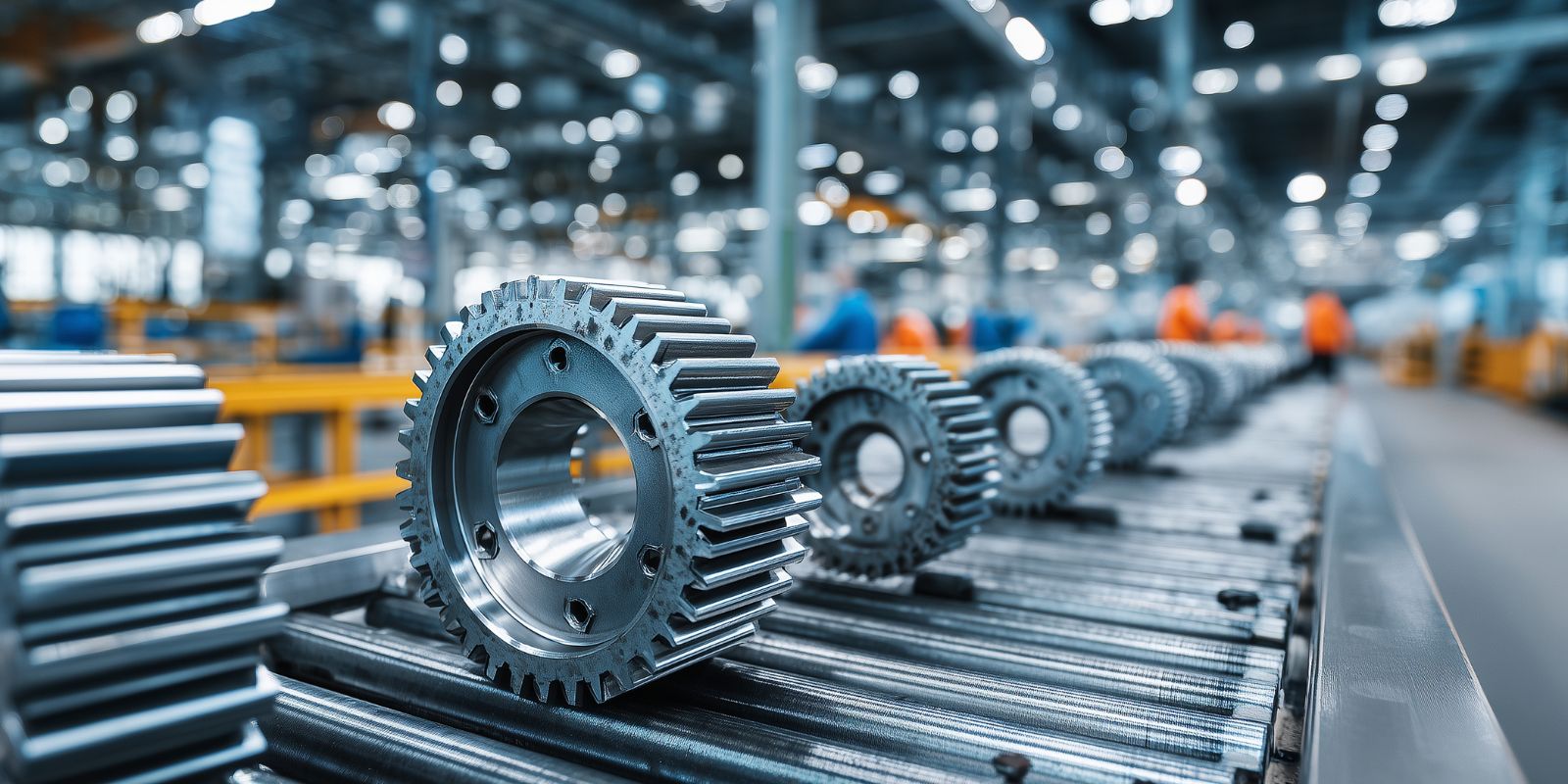
In today’s competitive industrial landscape, production efficiency is no longer just about machinery or automation—it is about people. The right workforce structure determines whether production lines run smoothly, targets are met consistently, and operational costs remain controlled.

In today’s competitive manufacturing and production landscape, industrial talent acquisition is no longer just about filling vacancies. It is about building a resilient, skilled, and future-ready workforce that can drive operational excellence.