February 16, 2026/
No Comments
In today’s competitive and fast-changing business landscape, organizations must operate with speed, flexibility, and efficiency.
In today’s competitive and fast-changing business landscape, organizations must operate with speed, flexibility, and efficiency.

In today’s hyper-competitive business environment, organizations face relentless pressure to hire faster, scale smarter, and control workforce costs.
In today’s competitive and skills-driven economy, hiring the right talent is no longer just an HR function—it is a strategic business imperative.
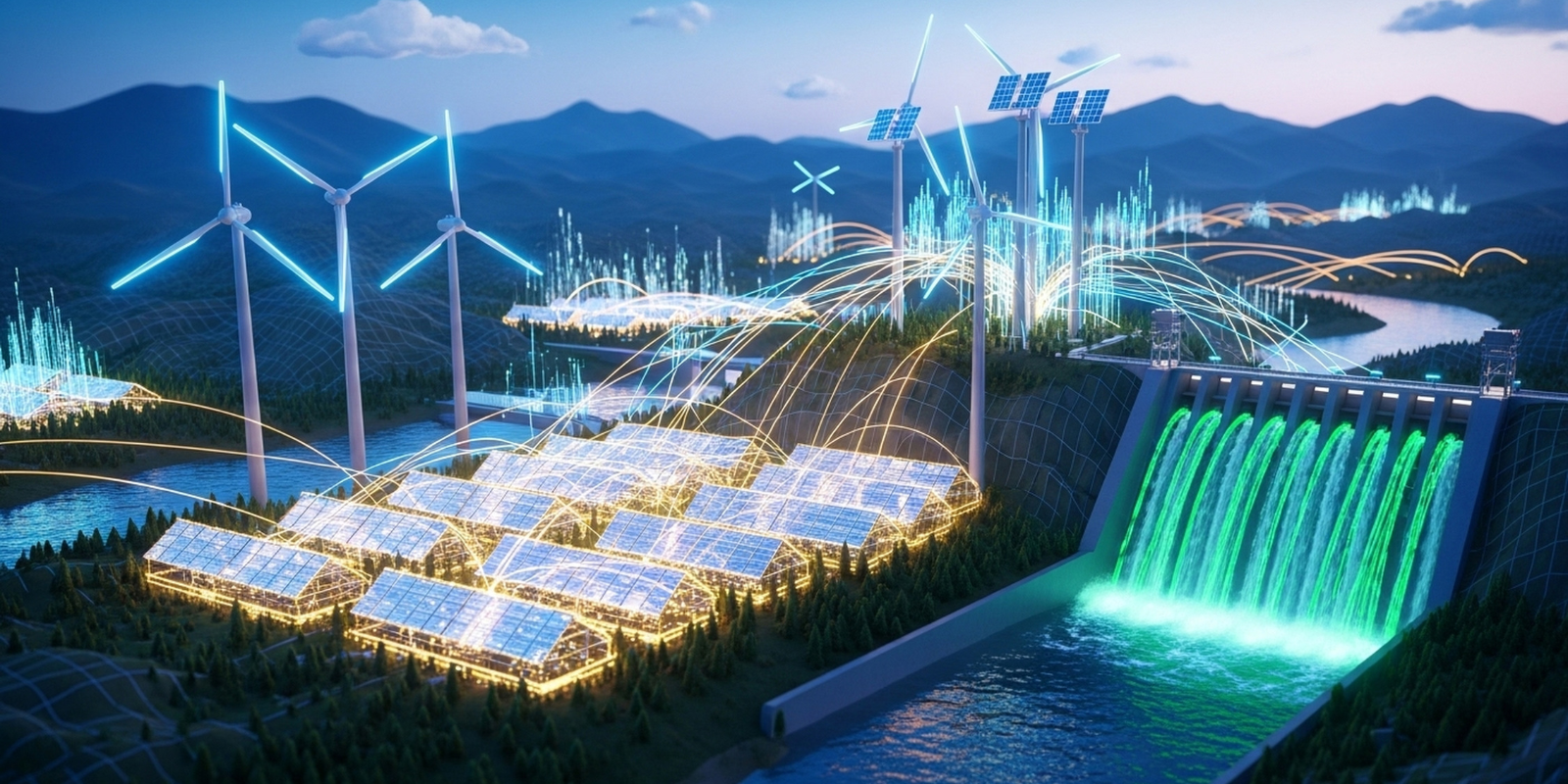
The way organizations attract, develop, and retain talent is undergoing a fundamental transformation. Traditional workforce models—built around static roles, linear career paths, and rigid hierarchies—can no longer keep pace with the speed of digital change, global competition, and evolving employee expectations.

The way enterprises attract, develop, and retain talent is undergoing a profound transformation. Traditional hiring and workforce models, once built for stability and long-term roles, are now struggling to keep pace with rapid digital change, global competition, and evolving employee expectations.
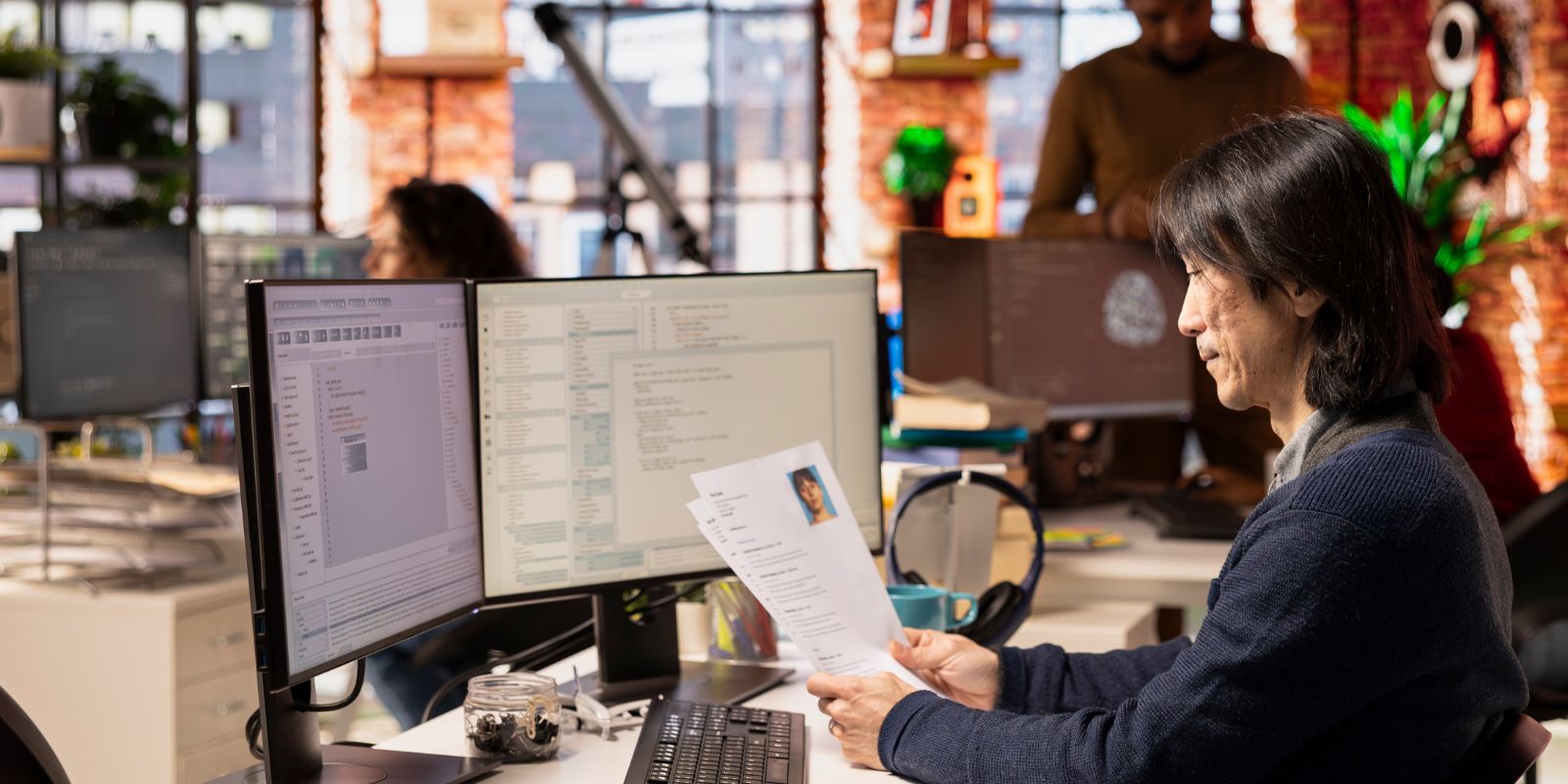
In today’s fast-moving and highly competitive business world, organizations rise or fall based on the strength of their leadership.
In today’s fast-evolving business environment, organizations can no longer rely solely on technology, capital, or infrastructure to stay competitive. The real differentiator is people. Companies that invest in their workforce and build systems around talent development are the ones that thrive in the long run.
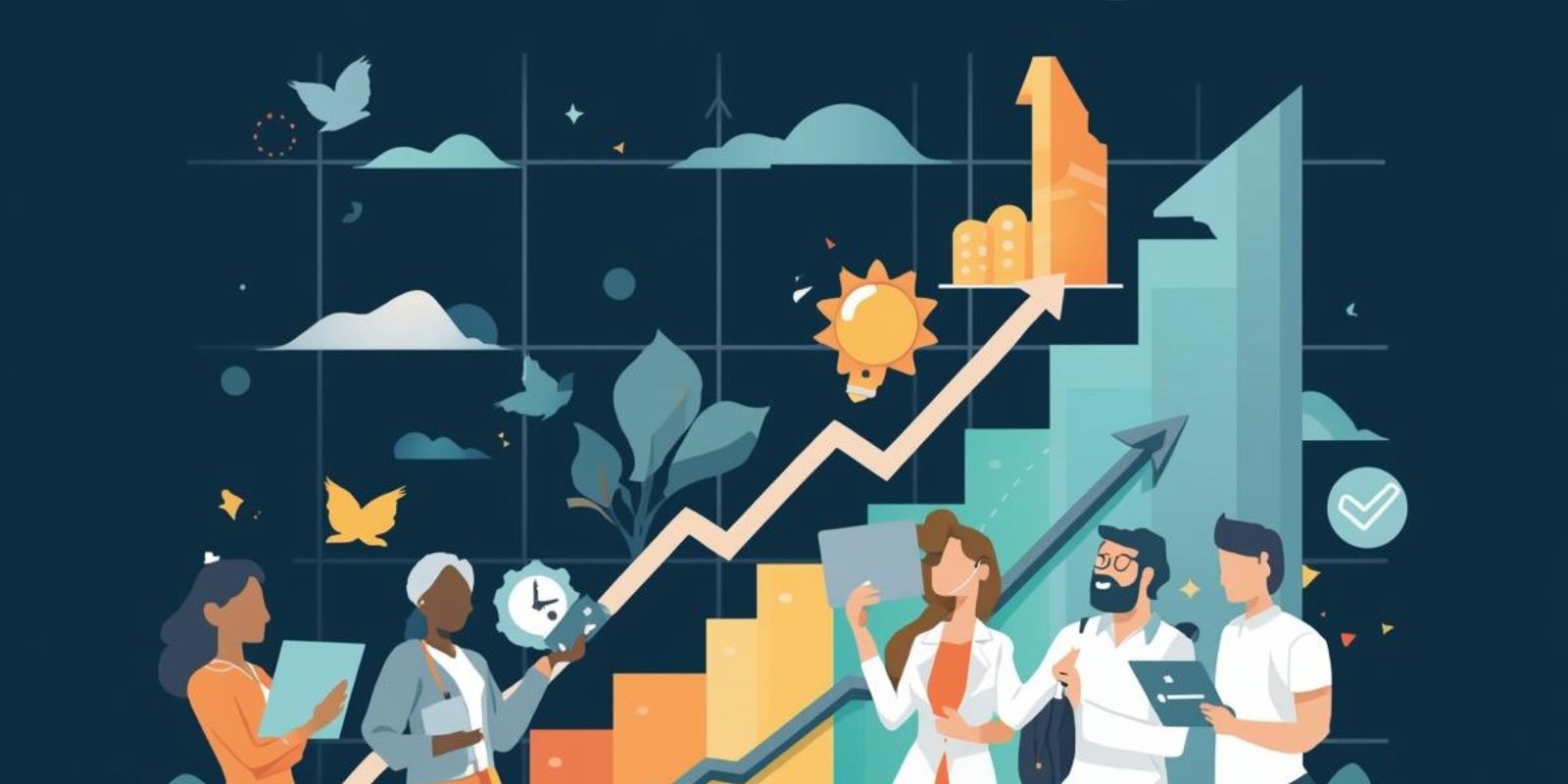
In today’s rapidly changing business world, organizations can no longer rely only on technology, automation, or cost-cutting to grow. Sustainable success now depends on how well companies support, engage, and develop their people.

The modern enterprise is no longer defined by physical offices, rigid hierarchies, or fixed job roles. Instead, it is shaped by networks of skills, digital platforms, and dynamic partnerships. As organizations adapt to rapid technological change, globalization, and evolving employee expectations, traditional workforce models are becoming obsolete.

The world of work is transforming faster than ever. Driven by digital disruption, global competition, remote collaboration, and evolving employee expectations, traditional workforce models are no longer sufficient. Organizations today must adopt modern workforce architectures that are agile, data-driven, scalable, and aligned with strategic goals.