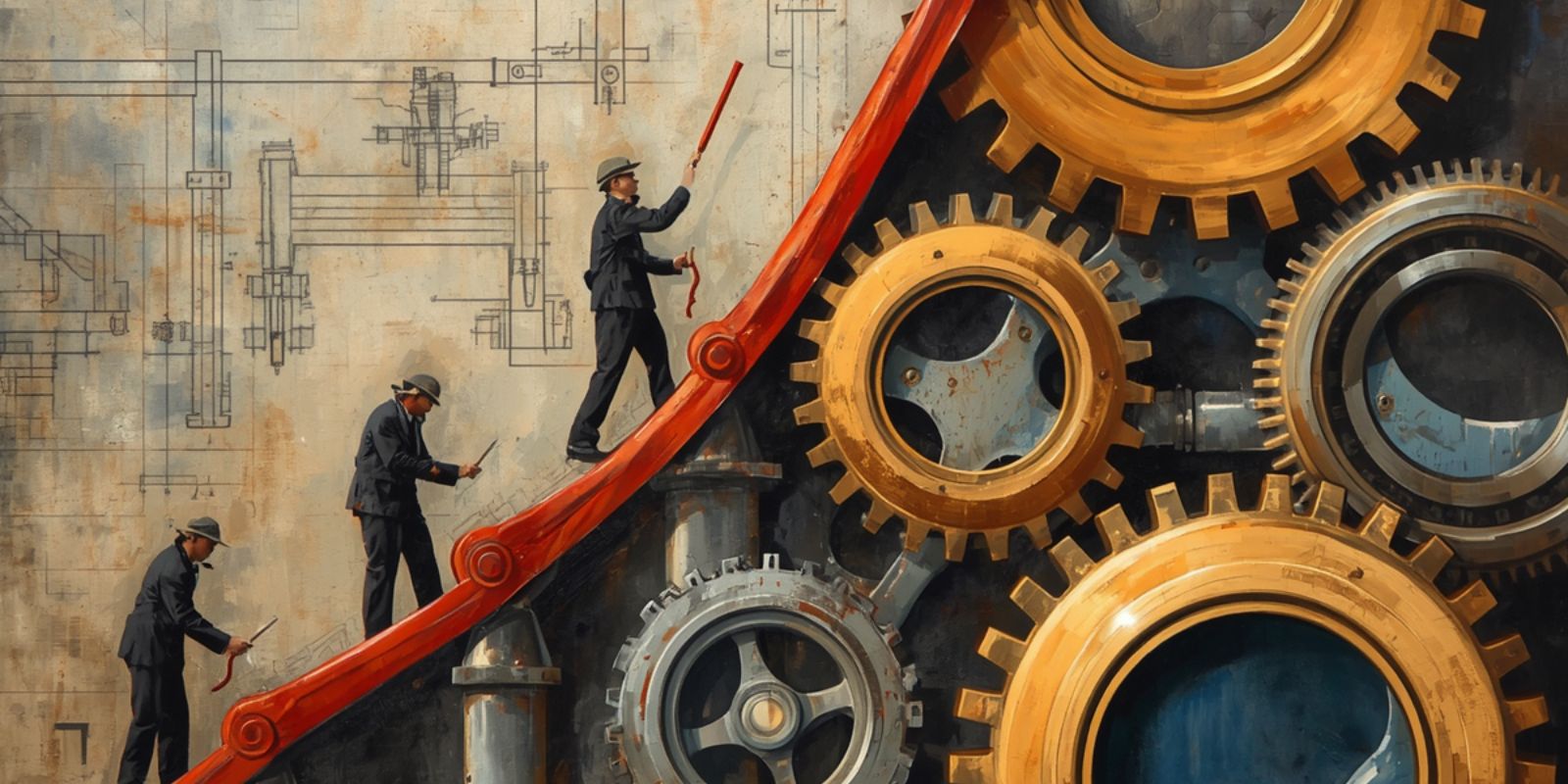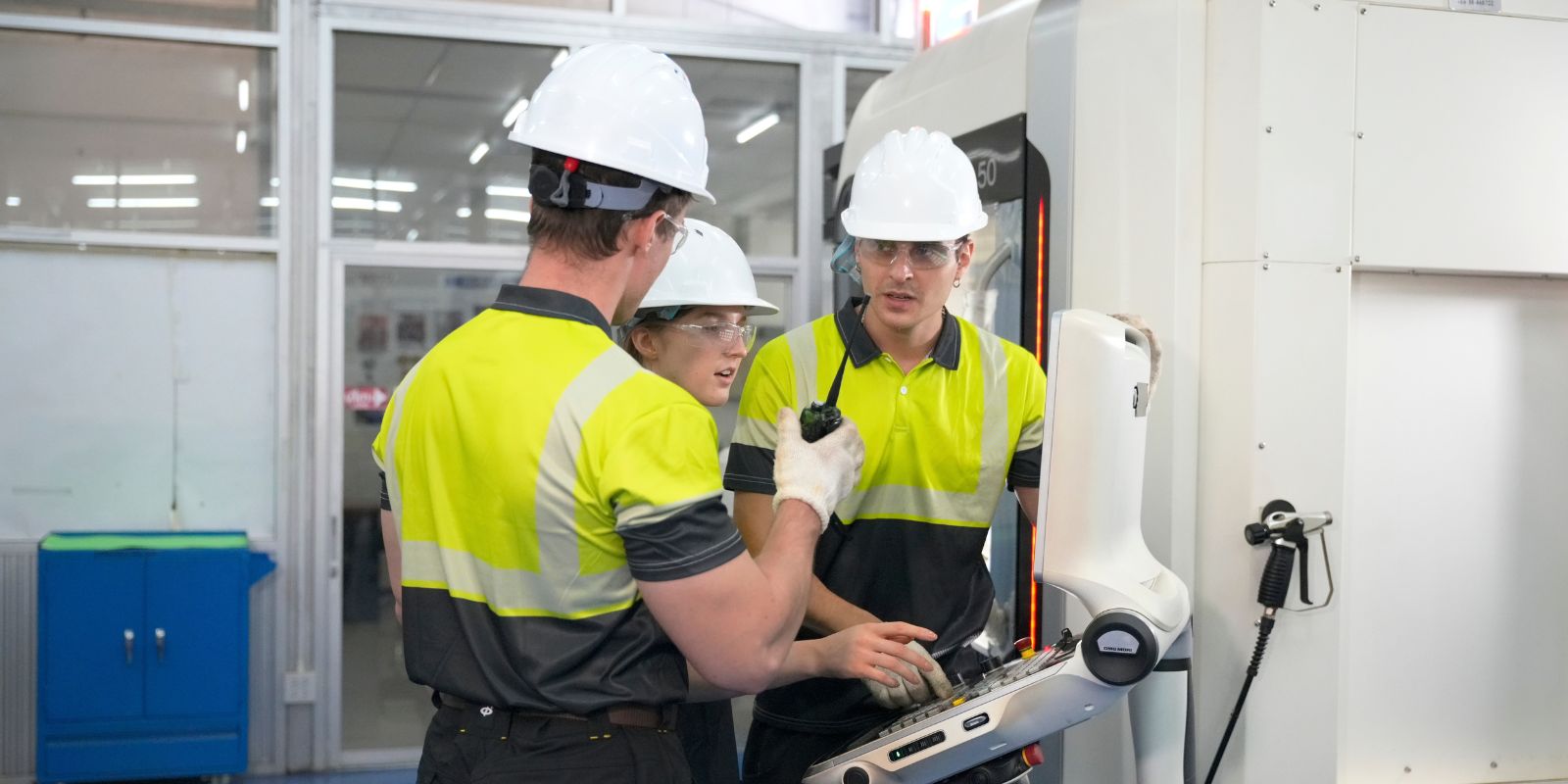
In today’s rapidly evolving industrial landscape, manufacturers face constant pressure to increase output, adopt new technologies, and remain cost-efficient. Traditional hiring models often fail to keep pace with fluctuating demand, seasonal peaks, and rapid expansion. This is where Scalable Manufacturing Workforce Solutions become essential. These strategies allow manufacturers to build flexible, skilled, and responsive teams that can grow or contract based on business needs without sacrificing quality or productivity.
Scalability in workforce planning is no longer optional—it is a competitive advantage. From small production units to global factories, organizations that implement scalable workforce models can react faster to market changes, reduce downtime, and improve overall efficiency.
Understanding Workforce Scalability in Manufacturing
Workforce scalability refers to the ability to adjust labor capacity quickly and efficiently without long-term financial or operational risk. In manufacturing, this means having access to skilled workers when demand increases and reducing workforce size when production slows—without disrupting operations.
Scalable workforce solutions rely on flexible employment models, cross-trained employees, automation integration, and data-driven planning. This approach ensures that companies are never overstaffed or understaffed, even during rapid growth or market shifts.
Why Manufacturers Need Scalable Workforce Solutions
Modern manufacturing environments face several challenges:
- Demand Volatility: Customer demand changes rapidly due to market trends and global conditions.
- Skill Gaps: New technologies require specialized skills that may not exist internally.
- Cost Pressures: Labor costs continue to rise, making inefficient staffing expensive.
- Speed to Market: Delays in hiring slow down production and growth.
Scalable manufacturing workforce solutions address these challenges by creating a workforce that can adapt quickly while maintaining high performance standards.
Key Components of Scalable Workforce Solutions
1. Flexible Hiring Models
Temporary staffing, contract workers, and project-based hiring allow manufacturers to expand capacity during peak periods without long-term commitments. This flexibility ensures production continuity while controlling labor costs.
2. Cross-Training and Multi-Skilling
Training employees to perform multiple roles increases operational flexibility. A multi-skilled workforce can shift between departments, reducing downtime and improving overall efficiency.
3. Automation and Digital Integration
Automation supports scalability by handling repetitive tasks, allowing human workers to focus on higher-value responsibilities. Workforce management software helps forecast labor needs, track productivity, and optimize schedules.
4. Talent Partnerships
Collaborating with staffing agencies and workforce solution providers ensures quick access to skilled labor. These partnerships help fill roles faster and maintain consistent quality standards.
Benefits of Scalable Manufacturing Workforce Solutions
Operational Agility
Scalable workforce models allow companies to respond instantly to production changes without disrupting workflows.
Cost Optimization
Manufacturers pay for labor only when needed, reducing overhead costs and improving profit margins.
Improved Productivity
With the right workers in the right roles, production efficiency increases and bottlenecks decrease.
Risk Reduction
Flexible staffing reduces the risk of labor shortages, compliance issues, and long-term financial commitments.
Role of Technology in Workforce Scalability
Technology plays a vital role in building scalable manufacturing teams. Workforce analytics tools forecast labor requirements based on production schedules, sales data, and historical trends. Digital training platforms help employees quickly learn new skills, while AI-driven scheduling ensures optimal workforce deployment.
Manufacturers that embrace digital workforce solutions gain better visibility into labor performance, helping leaders make faster, smarter decisions.
Workforce Planning for Growth
Scalable workforce planning aligns talent strategies with long-term business goals. It involves forecasting future labor needs, identifying skill gaps, and developing training programs to prepare employees for expansion.
Manufacturers who plan for growth ensure they have the right people, processes, and technology in place before demand increases.
Overcoming Common Workforce Challenges
- High Turnover: Competitive wages, growth opportunities, and supportive work environments improve retention.
- Skill Shortages: Continuous training and apprenticeship programs develop internal talent.
- Production Delays: Flexible staffing ensures production lines are never understaffed.
Future of Manufacturing Workforce Scalability
As Industry 4.0 transforms production, scalable workforce solutions will become even more important. Smart factories will rely on data-driven staffing, robotics, and highly skilled workers who can adapt to evolving technologies.
The future workforce will be more agile, tech-savvy, and continuously trained to meet changing industry demands.
Conclusion
Scalable Manufacturing Workforce Solutions empower companies to grow faster, operate efficiently, and remain competitive in an unpredictable market. By adopting flexible staffing models, investing in training, and leveraging technology, manufacturers can build resilient teams that scale with business needs.