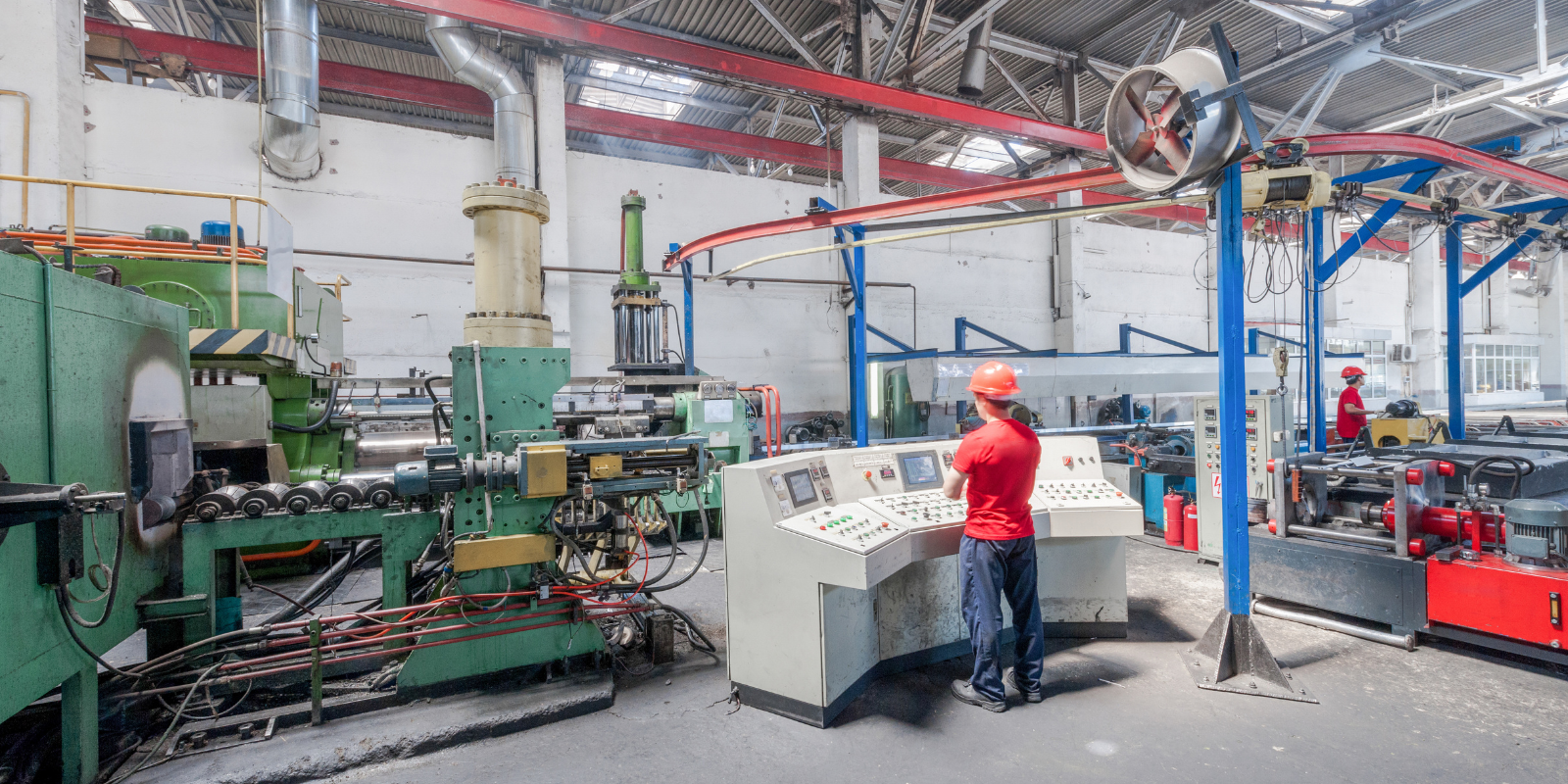
In today’s competitive manufacturing environment, businesses must maintain high productivity while ensuring consistent product quality and operational efficiency. One of the biggest factors influencing factory performance is having the right workforce. Reliable factory staffing plays a crucial role in keeping production lines running smoothly, reducing downtime, and helping businesses meet customer demands without delays.
Whether a factory manufactures consumer goods, automotive components, pharmaceuticals, textiles, electronics, or industrial equipment, having skilled and dependable workers is essential for achieving production goals. Partnering with a professional staffing provider enables manufacturers to access qualified talent quickly, manage workforce fluctuations effectively, and maintain operational excellence.
This article explains why reliable factory staffing is important, its key benefits, challenges faced by manufacturers, and how staffing solutions improve productivity across every stage of factory operations.
What Is Reliable Factory Staffing?
Reliable factory staffing refers to recruiting, deploying, and managing qualified workers for manufacturing and industrial operations. These staffing solutions provide factories with trained employees for various roles, including:
- Production Operators
- Machine Operators
- Assembly Line Workers
- Packers and Helpers
- Quality Inspectors
- Warehouse Personnel
- Material Handlers
- Forklift Operators
- Maintenance Technicians
- Supervisors
Professional staffing companies ensure that workers possess the necessary skills, safety awareness, and experience to perform efficiently from day one.
Why Factory Staffing Matters
Manufacturing is a fast-paced industry where production schedules are tightly planned. A shortage of workers can quickly impact output, customer commitments, and profitability.
Reliable staffing helps manufacturers:
- Maintain uninterrupted production
- Reduce machine idle time
- Meet delivery deadlines
- Improve workforce stability
- Handle seasonal demand
- Increase operational efficiency
- Support business expansion
A dependable workforce becomes a competitive advantage for factories operating in demanding markets.
Common Workforce Challenges in Manufacturing
Many factories struggle with workforce-related issues that directly affect productivity.
High Employee Turnover
Factory jobs often experience frequent resignations due to demanding work conditions, resulting in constant hiring and training requirements.
Skill Shortages
Operating modern manufacturing equipment requires trained personnel. Finding experienced workers can be difficult without professional recruitment support.
Seasonal Production Peaks
Industries such as FMCG, food processing, textiles, and consumer electronics often experience sudden increases in production demand.
Absenteeism
Unexpected employee absences can slow production and increase pressure on existing staff.
Compliance Requirements
Manufacturers must comply with labor regulations, statutory requirements, and workplace safety standards.
Reliable staffing providers help solve these challenges efficiently.
Benefits of Reliable Factory Staffing
Increased Productivity
Skilled employees perform tasks more efficiently, reducing production delays and improving output.
Well-trained workers:
- Complete tasks faster
- Minimize downtime
- Reduce operational errors
- Improve workflow coordination
Higher productivity leads directly to increased profitability.
Better Workforce Flexibility
Production requirements often change throughout the year.
Staffing companies provide:
- Temporary workers
- Permanent employees
- Contract staffing
- Project-based hiring
- Seasonal workforce
This flexibility allows factories to scale operations without lengthy recruitment processes.
Reduced Hiring Time
Recruitment involves sourcing candidates, conducting interviews, verifying documents, and onboarding employees.
Staffing partners already maintain talent databases, significantly reducing hiring time.
Factories can fill vacancies quickly and avoid production disruptions.
Improved Employee Quality
Professional staffing agencies screen candidates based on:
- Experience
- Technical skills
- Educational qualifications
- Physical fitness
- Safety awareness
- Background verification
This ensures better employee performance and reduced hiring risks.
Lower Recruitment Costs
Internal recruitment requires:
- Job advertisements
- HR resources
- Interview coordination
- Training expenses
- Administrative work
Outsourcing staffing reduces these costs while improving hiring efficiency.
Enhanced Compliance
Staffing providers manage various employment responsibilities, including:
- Payroll processing
- Statutory compliance
- Employee documentation
- Attendance management
- Labor law compliance
- PF and ESIC administration
This minimizes legal risks for manufacturers.
Essential Factory Positions Covered
Reliable staffing companies recruit professionals for numerous manufacturing functions.
Production Department
- Machine Operators
- CNC Operators
- Assembly Workers
- Production Helpers
- Shift Operators
Quality Control
- Quality Inspectors
- Testing Technicians
- Process Auditors
Warehouse Operations
- Packers
- Material Handlers
- Dispatch Executives
- Inventory Assistants
Maintenance Team
- Electricians
- Fitters
- Maintenance Engineers
- Mechanical Technicians
Logistics Support
- Forklift Operators
- Loading Staff
- Dispatch Coordinators
Having access to qualified workers across departments ensures seamless operations.
Importance of Skilled Factory Workers
Modern manufacturing depends heavily on precision and consistency.
Skilled employees contribute by:
- Operating machines correctly
- Following standard operating procedures
- Reducing material wastage
- Maintaining product quality
- Improving equipment efficiency
- Following workplace safety protocols
Experienced workers require less supervision and adapt quickly to production processes.
Role of Safety in Factory Staffing
Safety is an essential aspect of manufacturing productivity.
Professional staffing agencies ensure workers understand:
- Personal protective equipment (PPE)
- Machine safety
- Emergency procedures
- Hazard identification
- Workplace discipline
- Equipment handling
A safe workplace reduces accidents, improves morale, and minimizes operational interruptions.
Workforce Planning for Better Productivity
Successful manufacturers plan workforce requirements based on:
- Production schedules
- Customer demand
- Machine capacity
- Shift planning
- Seasonal workloads
- Expansion projects
Reliable staffing providers support workforce planning by supplying the right number of employees at the right time.
This prevents both understaffing and overstaffing.
Technology in Factory Staffing
Technology has transformed industrial recruitment.
Modern staffing companies use:
- Digital recruitment platforms
- Applicant tracking systems
- Online documentation
- Attendance software
- Payroll automation
- Workforce analytics
These technologies improve hiring speed, transparency, and workforce management.
Temporary vs Permanent Staffing
Temporary Staffing
Ideal for:
- Seasonal demand
- Short-term projects
- Production spikes
- Employee replacements
Benefits include:
- Fast deployment
- Lower recruitment costs
- Flexible workforce
Permanent Staffing
Suitable for:
- Long-term operations
- Specialized positions
- Leadership roles
- Skilled technicians
Permanent employees support organizational stability and long-term growth.
Many manufacturers use a combination of both staffing models.
Reducing Production Downtime
Every minute of production downtime results in lost revenue.
Reliable staffing helps prevent downtime by:
- Filling vacancies quickly
- Providing replacement workers
- Maintaining shift continuity
- Supporting maintenance shutdowns
- Handling emergency workforce requirements
Continuous production improves customer satisfaction and profitability.
Improving Product Quality Through Staffing
Quality depends not only on machines but also on people.
Qualified workers:
- Follow production standards
- Detect defects early
- Maintain consistency
- Reduce rework
- Improve inspection accuracy
Better staffing leads to fewer customer complaints and stronger brand reputation.
Supporting Manufacturing Growth
As factories expand, workforce requirements increase rapidly.
Staffing partners support growth by providing:
- Large-scale recruitment
- Multi-location hiring
- Bulk workforce deployment
- Specialized technical recruitment
- Flexible staffing strategies
Manufacturers can expand confidently without worrying about workforce shortages.
Choosing the Right Factory Staffing Partner
Selecting an experienced staffing company is essential.
Consider providers with:
- Manufacturing recruitment expertise
- Large candidate database
- Strong compliance knowledge
- Quick hiring capability
- Industry-specific experience
- Transparent communication
- Reliable payroll support
- Positive client track record
A trusted staffing partner becomes an extension of your HR and production teams.
Best Practices for Successful Factory Staffing
To maximize staffing effectiveness:
- Clearly define job requirements
- Maintain workforce forecasts
- Prioritize worker safety
- Provide proper onboarding
- Offer continuous skill development
- Monitor workforce performance
- Encourage employee engagement
- Partner with experienced staffing specialists
These practices improve both employee satisfaction and operational efficiency.
Future Trends in Factory Staffing
Manufacturing continues to evolve with automation and digital transformation.
Emerging staffing trends include:
- AI-powered recruitment
- Smart workforce planning
- Digital onboarding
- Predictive hiring analytics
- Automation-skilled workforce
- Flexible employment models
- Upskilling and reskilling programs
- Data-driven performance management
Factories adopting these trends will remain competitive in the future manufacturing landscape.
Conclusion
Reliable factory staffing is the foundation of productive and efficient manufacturing operations. Skilled workers, effective workforce planning, and professional staffing support help manufacturers overcome labor shortages, improve production efficiency, maintain quality standards, and achieve sustainable business growth.
Whether addressing seasonal demand, expanding production capacity, or reducing recruitment challenges, partnering with an experienced staffing provider ensures access to qualified talent when it is needed most. By investing in dependable factory staffing solutions, manufacturers can build resilient operations, optimize productivity, and strengthen their position in an increasingly competitive market.