Introduction
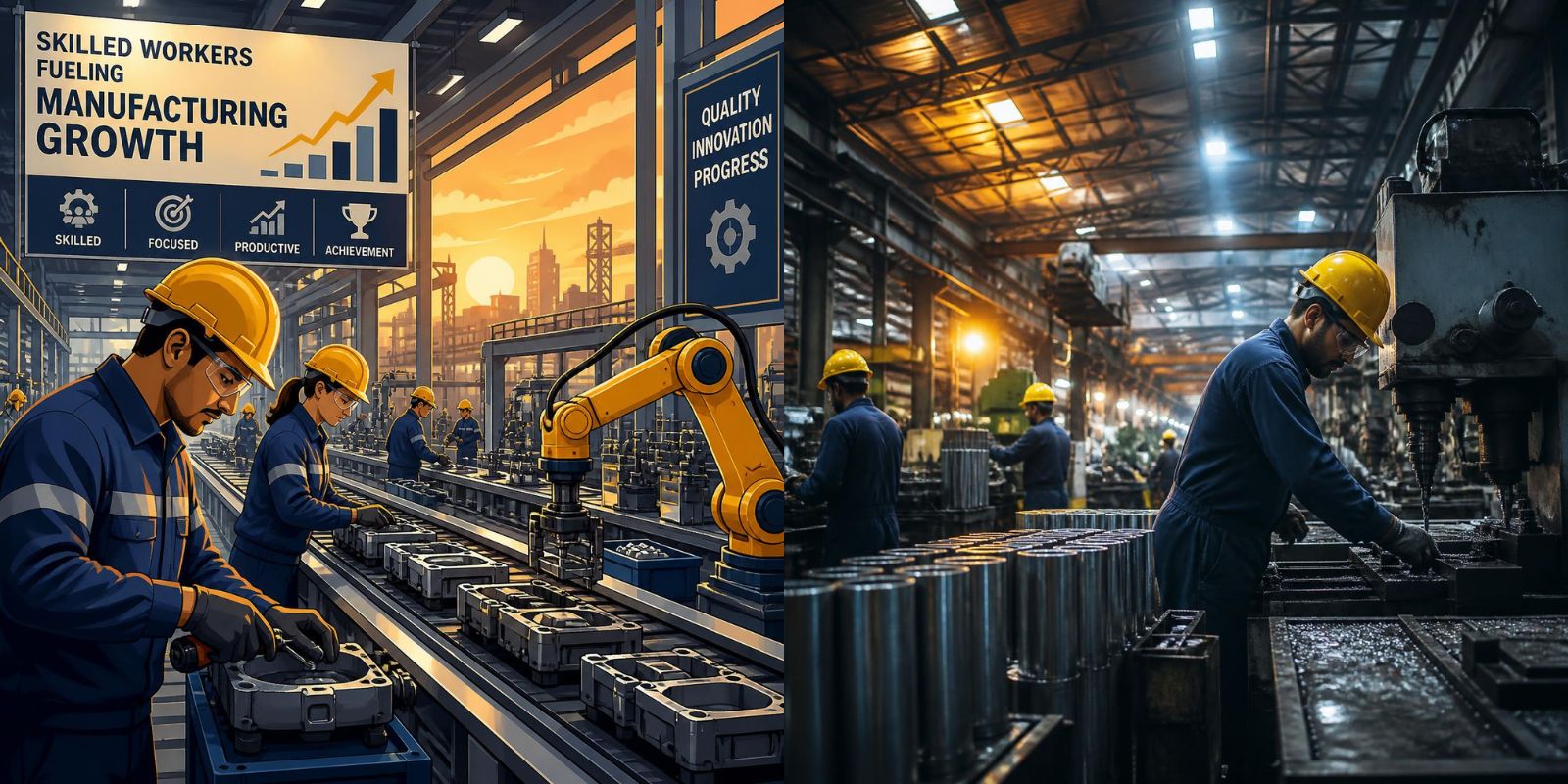
Manufacturing has always been a driving force behind economic development, innovation, and industrial progress. As industries continue to evolve through automation, digital transformation, and global competition, manufacturers face increasing pressure to improve productivity, maintain product quality, control operational costs, and deliver products faster than ever before. While advanced technologies and modern equipment have transformed production processes, one critical factor remains at the heart of manufacturing success—industrial talent.
Industrial talent refers to the skilled professionals who operate machinery, maintain equipment, oversee production lines, ensure quality standards, manage logistics, and lead manufacturing operations. Their knowledge, technical expertise, and commitment enable organizations to achieve consistent production performance while adapting to changing industry demands.
A highly skilled industrial workforce is not only essential for daily operations but also plays a strategic role in supporting innovation, improving efficiency, reducing downtime, and enabling long-term business growth. Companies that invest in attracting, developing, and retaining industrial talent are better positioned to compete in today’s rapidly changing manufacturing environment.
This article explores how industrial talent powers manufacturing growth, the benefits of a skilled workforce, the challenges manufacturers face, and the strategies businesses can adopt to build a future-ready industrial workforce.
Why Industrial Talent Matters in Manufacturing
Every manufacturing facility depends on people who understand production processes, equipment, safety standards, and quality requirements. Even in highly automated factories, skilled employees are required to supervise operations, troubleshoot issues, optimize production, and maintain machinery.
Industrial talent contributes to:
- Higher production output
- Better product quality
- Improved workplace safety
- Reduced machine downtime
- Faster problem resolution
- Lower operational costs
- Greater customer satisfaction
- Sustainable business growth
Without capable professionals, manufacturing operations can experience delays, quality issues, and increased production expenses.
Key Roles That Drive Manufacturing Growth
A successful manufacturing organization relies on professionals across multiple departments.
Machine Operators
Operate and monitor production equipment while ensuring efficiency and consistency.
Maintenance Technicians
Perform preventive and corrective maintenance to keep machinery running smoothly.
Quality Control Inspectors
Inspect products, monitor production standards, and ensure customer requirements are met.
Production Supervisors
Coordinate teams, monitor daily operations, and improve production performance.
Warehouse and Logistics Professionals
Manage inventory, material movement, storage, and product distribution.
Manufacturing Engineers
Develop process improvements, optimize production systems, and support innovation.
Together, these professionals create a productive and efficient manufacturing ecosystem.
Benefits of Industrial Talent
Increased Productivity
Experienced employees understand workflows, equipment operation, and production schedules, enabling them to complete tasks efficiently.
Higher productivity leads to:
- Faster production cycles
- Better resource utilization
- Improved equipment performance
- Increased profitability
Consistent Product Quality
Skilled professionals carefully follow manufacturing procedures and quality standards.
Their expertise reduces:
- Product defects
- Customer complaints
- Rework
- Material waste
Maintaining consistent quality strengthens customer confidence and brand reputation.
Reduced Equipment Downtime
Industrial talent plays an important role in identifying equipment issues before they become major problems.
Routine inspections, preventive maintenance, and quick troubleshooting help manufacturers avoid costly production interruptions.
Stronger Workplace Safety
Manufacturing environments involve heavy equipment, electrical systems, chemicals, and automated machinery.
Trained employees understand workplace safety requirements and help maintain a culture of safety throughout the organization.
This reduces workplace accidents while supporting regulatory compliance.
Greater Innovation
Skilled employees often identify opportunities to improve manufacturing processes.
Their practical knowledge contributes to:
- Lean manufacturing initiatives
- Process optimization
- Waste reduction
- Continuous improvement programs
Innovation driven by experienced employees strengthens long-term competitiveness.
Challenges in Building Industrial Talent
Manufacturers frequently encounter workforce-related challenges.
Skilled Labor Shortages
Demand for qualified industrial professionals continues to exceed available talent in many sectors.
High Employee Turnover
Frequent staff changes affect production continuity and increase hiring costs.
Rapid Technological Change
Employees require continuous training to operate advanced manufacturing systems.
Aging Workforce
Many experienced professionals are approaching retirement, creating skills gaps.
Workforce Planning
Balancing labor requirements with production demand requires careful planning.
Addressing these challenges requires proactive workforce development strategies.
Strategies for Developing Industrial Talent
Recruit the Right People
Successful recruitment focuses on technical expertise, adaptability, and a commitment to continuous improvement.
Hiring processes should include:
- Technical assessments
- Practical skill evaluations
- Behavioral interviews
- Background verification
- Safety awareness checks
Selecting qualified candidates builds a strong foundation for operational success.
Invest in Training and Upskilling
Continuous learning helps employees remain effective as manufacturing technologies evolve.
Training programs should include:
- Machine operation
- Automation systems
- Robotics
- Lean manufacturing
- Quality management
- Safety procedures
- Digital manufacturing tools
Upskilling increases employee confidence and organizational capability.
Encourage Cross-Functional Skills
Cross-training allows employees to support multiple production functions.
Benefits include:
- Increased operational flexibility
- Better shift coverage
- Reduced production interruptions
- Improved teamwork
- Enhanced employee development
Cross-functional teams improve organizational resilience.
Build Employee Engagement
Motivated employees consistently deliver higher performance.
Organizations can improve engagement through:
- Career development opportunities
- Recognition programs
- Competitive compensation
- Open communication
- Leadership development
- Employee wellness initiatives
An engaged workforce contributes directly to manufacturing growth.
Technology Supports Industrial Talent
Modern manufacturing combines skilled professionals with intelligent technologies.
Workforce Management Software
Improves scheduling, attendance, and workforce planning.
Smart Manufacturing Systems
Provide real-time production monitoring and operational insights.
IoT Technology
Helps employees monitor equipment health and predict maintenance needs.
Data Analytics
Supports informed decision-making through workforce and production insights.
Learning Management Systems
Deliver digital training and certification programs efficiently.
Technology enhances employee performance while improving manufacturing efficiency.
The Role of Staffing Partners
Industrial staffing agencies help manufacturers overcome recruitment challenges.
Professional staffing providers offer:
- Permanent recruitment
- Temporary staffing
- Contract workforce
- Bulk hiring
- Payroll management
- Compliance support
- Workforce planning
- HR consulting
Partnering with experienced staffing specialists enables manufacturers to access qualified talent quickly and efficiently.
Best Practices for Building Industrial Talent
Manufacturers can strengthen workforce performance by adopting these best practices:
- Recruit skilled professionals strategically.
- Invest in continuous technical training.
- Promote workplace safety.
- Encourage innovation.
- Monitor workforce performance regularly.
- Reward employee achievements.
- Build leadership capabilities.
- Use digital workforce management tools.
- Develop succession planning strategies.
- Foster a culture of continuous improvement.
These practices create a high-performing industrial workforce capable of supporting long-term growth.
Real-World Example
An automotive component manufacturer experienced increasing customer demand but struggled with labor shortages, equipment downtime, and inconsistent production quality.
The company partnered with an industrial recruitment specialist to hire experienced machine operators, maintenance technicians, and quality inspectors. It also introduced technical training, preventive maintenance programs, and workforce management software.
Within twelve months, the manufacturer achieved:
- 26% increase in production capacity
- Significant reduction in machine downtime
- Improved product quality
- Lower employee turnover
- Better customer satisfaction
- Increased profitability
This example illustrates how industrial talent directly supports manufacturing growth.
Future Trends in Industrial Workforce Development
Manufacturing workforce requirements continue to evolve.
Emerging trends include:
- Industry 4.0 integration
- AI-assisted workforce planning
- Collaborative robotics
- Digital manufacturing
- Predictive maintenance
- Workforce analytics
- Smart factory operations
- Continuous employee upskilling
- Flexible staffing models
- Sustainable manufacturing practices
Manufacturers that embrace these trends while investing in industrial talent will remain competitive in the years ahead.
Conclusion
Industrial talent is one of the most valuable assets in modern manufacturing. Skilled professionals bring the expertise, adaptability, and commitment needed to operate advanced equipment, maintain quality standards, improve productivity, and support continuous innovation.
Organizations that prioritize strategic recruitment, employee development, workplace safety, and workforce engagement build stronger manufacturing operations capable of meeting today’s business challenges and tomorrow’s opportunities. While technology continues to reshape the industry, people remain the driving force behind successful production.
By investing in industrial talent and partnering with experienced workforce solution providers, manufacturers can achieve sustainable growth, improve operational efficiency, strengthen customer relationships, and build a resilient foundation for long-term success. In an increasingly competitive manufacturing landscape, industrial talent truly powers manufacturing growth.