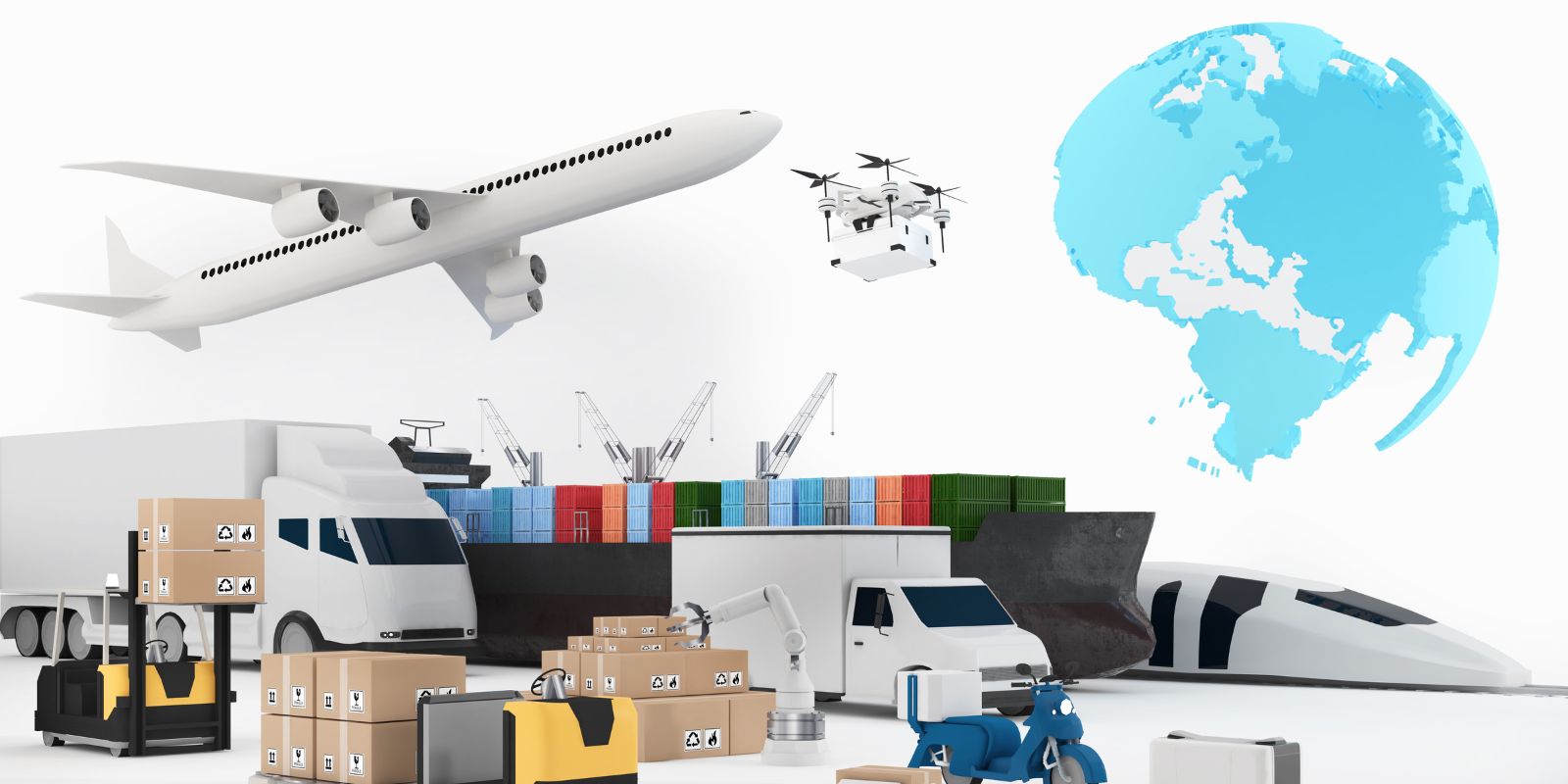
The global logistics industry is undergoing rapid transformation driven by e-commerce growth, cross-border trade, automation, and rising customer expectations. To stay competitive and scale successfully, logistics companies must rethink how they hire, manage, and deploy talent. Traditional full-time staffing models alone are no longer sufficient to support expansion. Instead, modern logistics companies rely on flexible, scalable workforce models that allow them to grow efficiently while maintaining service quality.
This article explores the most effective logistics workforce models for expansion, their benefits, implementation strategies, and how they enable long-term business growth.
Why Workforce Models Matter in Logistics Expansion
Logistics operations depend on speed, accuracy, and reliability. As businesses expand into new markets, increase warehouse capacity, or scale delivery networks, workforce demands rise sharply. Without a structured workforce model, companies face:
- Labor shortages during peak seasons
- Rising operational costs
- Inconsistent service quality
- High employee turnover
- Poor productivity and safety risks
A scalable workforce model ensures that the right people are available at the right time, in the right roles, and at the right cost. It allows logistics businesses to adapt quickly to market changes while keeping operations smooth.
Key Challenges in Scaling the Logistics Workforce
Before choosing the right workforce model, it is essential to understand the challenges that logistics companies face during expansion:
- Demand Fluctuations: Seasonal peaks and order surges create sudden labor needs.
- High Turnover: Logistics roles are physically demanding, leading to frequent attrition.
- Skill Gaps: Automation and warehouse technologies require trained staff.
- Compliance Issues: Labor laws, safety standards, and contracts vary by region.
- Cost Control: Overstaffing increases expenses, while understaffing delays deliveries.
Effective workforce models address these challenges while enabling sustainable growth.
1. Core Workforce Model
The core workforce model includes permanent, full-time employees who manage daily operations. These workers form the backbone of the logistics organization and handle critical tasks such as:
- Warehouse supervisors
- Inventory planners
- Dispatch coordinators
- Safety officers
- Team leaders
Benefits:
- Stable operations
- Institutional knowledge
- Higher accountability
- Strong company culture
This model is ideal for maintaining consistency while building a foundation for expansion.
2. Flexible Workforce Model
A flexible workforce includes part-time, temporary, and seasonal workers. This model is essential during peak periods such as festive seasons, sales events, or new market launches.
Benefits:
- Rapid scalability
- Reduced fixed labor costs
- Ability to match labor with demand
- Lower risk during market uncertainty
Flexible workers can be deployed in warehouses, distribution centers, and last-mile delivery operations.
3. Outsourced Workforce Model
In this model, logistics companies partner with third-party staffing agencies or labor contractors to handle recruitment, onboarding, and payroll.
Benefits:
- Faster hiring
- Lower HR administrative burden
- Access to large talent pools
- Compliance handled by vendors
Outsourcing is particularly effective when expanding into new regions where local labor laws and recruitment practices may be unfamiliar.
4. Hybrid Workforce Model
The hybrid model combines permanent employees, flexible workers, and outsourced labor. This approach provides the highest level of scalability and cost control.
Benefits:
- Balanced workforce structure
- Greater operational resilience
- Optimized labor costs
- Reduced hiring risks
Most large logistics companies use a hybrid workforce to handle core operations while scaling quickly.
5. Technology-Enabled Workforce Model
Modern logistics expansion requires digital tools for workforce management. This model integrates:
- Workforce management software
- Attendance and shift planning systems
- Performance analytics
- Automated scheduling
Benefits:
- Higher productivity
- Data-driven decisions
- Reduced manual errors
- Improved employee satisfaction
Technology ensures transparency and efficiency as operations scale.
6. Skill-Based Workforce Model
As warehouses become more automated, logistics companies need skilled workers who can operate robotics, warehouse management systems, and tracking software.
Benefits:
- Increased operational efficiency
- Reduced downtime
- Better safety compliance
- Support for automation-driven growth
This model focuses on continuous training and upskilling programs.
How Workforce Models Support Logistics Expansion
A well-structured workforce model enables companies to:
- Enter new markets quickly
- Scale warehouse capacity
- Handle increased order volumes
- Maintain delivery timelines
- Control labor costs
By aligning workforce strategies with business goals, logistics companies can grow without operational disruptions.
Steps to Implement the Right Workforce Model
- Assess Business Needs: Understand volume forecasts, growth plans, and operational risks.
- Define Core and Flexible Roles: Identify which positions require permanent staff and which can be temporary.
- Choose Reliable Partners: Work with trusted staffing agencies.
- Invest in Training: Build a skilled workforce for long-term success.
- Use Technology: Track productivity and optimize staffing levels.
- Monitor and Improve: Regularly review performance and adjust strategies.
Future Trends in Logistics Workforce Models
- AI-driven workforce planning
- Gig-based delivery models
- Automation-assisted warehouses
- Remote logistics coordination
- Real-time performance analytics
These trends will further shape scalable workforce strategies.
Conclusion
Logistics expansion requires more than infrastructure and technology—it requires the right people in the right roles. By adopting modern logistics workforce models, companies can scale efficiently, reduce costs, and maintain service excellence. A flexible, technology-driven, and skill-based workforce is the foundation for long-term logistics growth.