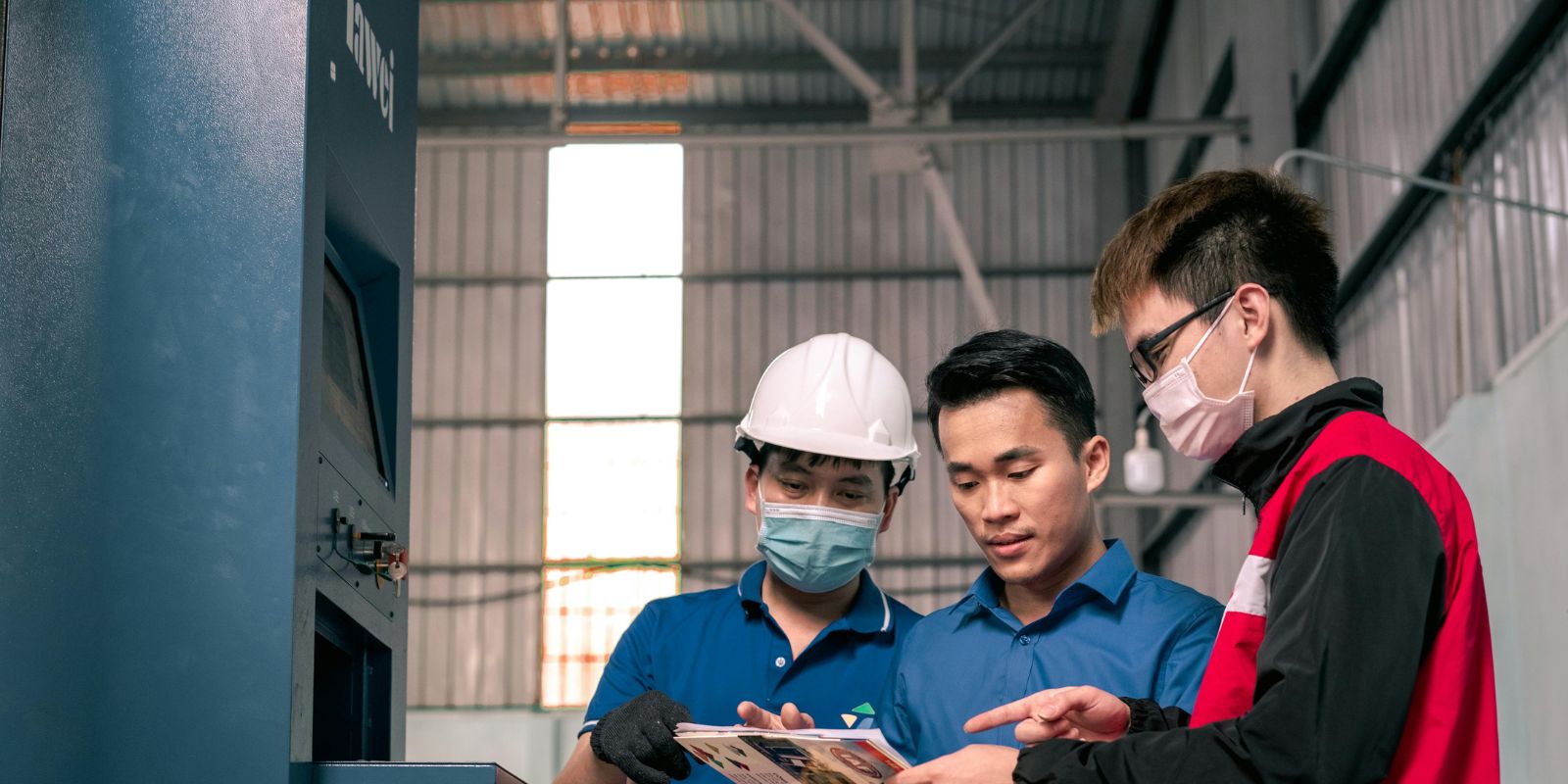
In today’s fast-paced supply chain environment, warehouses are no longer just storage spaces—they are dynamic operational hubs that power business growth. As customer expectations for faster deliveries, real-time tracking, and seamless fulfillment increase, companies must scale their warehouse operations efficiently. At the center of this transformation is one critical factor: warehouse hiring for operational scale.
Hiring the right people at the right time is what enables warehouses to handle higher order volumes, expand distribution networks, and maintain service quality. Without a scalable workforce strategy, even the most advanced warehouse systems can fail. This article explores how businesses can design effective hiring models to support operational growth while controlling costs and maintaining performance.
Why Warehouse Hiring Matters for Scaling Operations
Operational scale means doing more without sacrificing efficiency. For warehouses, this translates into processing higher volumes, meeting shorter delivery windows, and managing increasingly complex inventories. These goals cannot be achieved without a workforce that is flexible, skilled, and prepared for growth.
When warehouse hiring is poorly planned, organizations face challenges such as labor shortages, high turnover, overtime costs, and safety issues. In contrast, a well-structured hiring strategy ensures that the warehouse has the capacity to grow sustainably. It also creates a strong foundation for productivity, employee retention, and customer satisfaction.
Understanding Workforce Demand in Growing Warehouses
Before hiring for scale, businesses must understand how demand impacts staffing needs. This includes analyzing:
- Order volume growth
- Seasonal demand patterns
- New product lines
- Expansion into new regions
- Automation adoption
Forecasting these variables helps warehouse leaders determine the number of workers required, the skills they must possess, and when they should be hired. This proactive approach prevents last-minute recruitment that often leads to rushed decisions and higher attrition.
Building a Scalable Warehouse Hiring Strategy
1. Workforce Planning with Growth in Mind
Strategic workforce planning is the foundation of operational scale. It involves aligning hiring needs with business growth projections. Instead of reacting to shortages, companies should prepare talent pipelines that can support both current operations and future expansion.
By mapping out staffing requirements for different growth scenarios, warehouses can adjust hiring efforts smoothly rather than scrambling when demand spikes.
2. Flexible Staffing Models
Scalability requires flexibility. Warehouses that rely only on permanent staff often struggle during peak seasons. A hybrid workforce model that includes full-time employees, temporary workers, and contract staff allows operations to expand and contract without disruption.
Temporary and seasonal workers can handle volume surges, while full-time staff ensure continuity, quality control, and process stability.
3. Skill-Based Hiring for Efficiency
Operational scale does not only require more workers—it requires the right skills. Modern warehouses depend on technology such as warehouse management systems (WMS), barcode scanners, automated picking tools, and robotics.
Hiring workers who are adaptable, tech-friendly, and quick learners helps reduce training time and improves productivity. Skill-based hiring also supports long-term growth by building a workforce that evolves with operational needs.
Using Technology to Support Warehouse Hiring
Digital recruitment tools have transformed how warehouses find and manage talent. Applicant tracking systems, AI-driven screening tools, and online job platforms make it easier to identify qualified candidates quickly.
Additionally, workforce management software helps track attendance, productivity, and performance. This data allows managers to make informed decisions about hiring, scheduling, and training to support scale.
Reducing Turnover Through Employee Engagement
High turnover is one of the biggest barriers to operational scale. Constantly replacing workers increases costs and disrupts workflows. To scale successfully, warehouses must focus on retention.
This includes:
- Competitive wages
- Safe working environments
- Clear career paths
- Recognition programs
- Ongoing training
Engaged employees are more productive, more reliable, and more likely to stay, making them essential for long-term scalability.
Training Programs for a Growing Workforce
As warehouses scale, onboarding and training must be efficient and consistent. Standardized training modules, digital learning platforms, and mentoring programs help new hires become productive faster.
Cross-training employees across multiple functions also increases flexibility. Workers who can shift between roles help warehouses respond quickly to changing operational demands.
Managing Seasonal and Peak Demand
E-commerce growth and promotional events create sudden spikes in warehouse activity. Without proper hiring strategies, these peaks can overwhelm operations.
Advanced demand forecasting combined with a pool of pre-vetted temporary workers ensures that warehouses can handle peak volumes without compromising service quality. This approach supports smooth scaling during high-demand periods.
Compliance and Safety in Scaled Operations
As workforce size grows, so does the responsibility to maintain compliance and safety standards. Scalable hiring must include clear policies, safety training, and compliance checks.
Investing in safety not only protects workers but also prevents costly downtime, legal risks, and reputational damage that can slow growth.
Measuring Hiring Success for Operational Scale
To ensure hiring strategies support scaling goals, warehouses must track key metrics such as:
- Time-to-hire
- Cost-per-hire
- Employee retention rates
- Productivity per worker
- Absenteeism levels
Regular analysis of these metrics helps refine recruitment strategies and ensures that the workforce grows in alignment with operational needs.
The Role of Leadership in Scalable Hiring
Leadership plays a critical role in building a scalable warehouse workforce. Managers must communicate growth goals clearly, invest in people, and foster a culture of continuous improvement.
Strong leadership ensures that employees understand how their roles contribute to the company’s success, which strengthens engagement and supports long-term operational scale.
Future Trends in Warehouse Hiring
As automation, robotics, and AI continue to reshape warehouses, hiring strategies must evolve. The future workforce will require a mix of operational, technical, and analytical skills.
Companies that invest early in skill development and flexible hiring models will be better positioned to scale efficiently in a competitive market.
Conclusion
Warehouse hiring for operational scale is not just about adding more workers—it is about building a workforce that can grow with your business. Through strategic planning, flexible staffing, skill-based hiring, and strong employee engagement, warehouses can expand operations smoothly while maintaining performance.