
February 21, 2026/
No Comments
In today’s fast-evolving business environment, organizations are increasingly turning to analytics-driven workforce strategies to gain a competitive edge.
In today’s fast-evolving business environment, organizations are increasingly turning to analytics-driven workforce strategies to gain a competitive edge.

In today’s fast-evolving business environment, organizations can no longer rely solely on traditional workforce planning methods. Market volatility, digital transformation, and rapid skill evolution demand a more proactive and data-driven approach.

In today’s rapidly changing business environment, traditional hiring methods are no longer enough. Companies face skill shortages, fluctuating workloads, global competition, and rising labor costs.
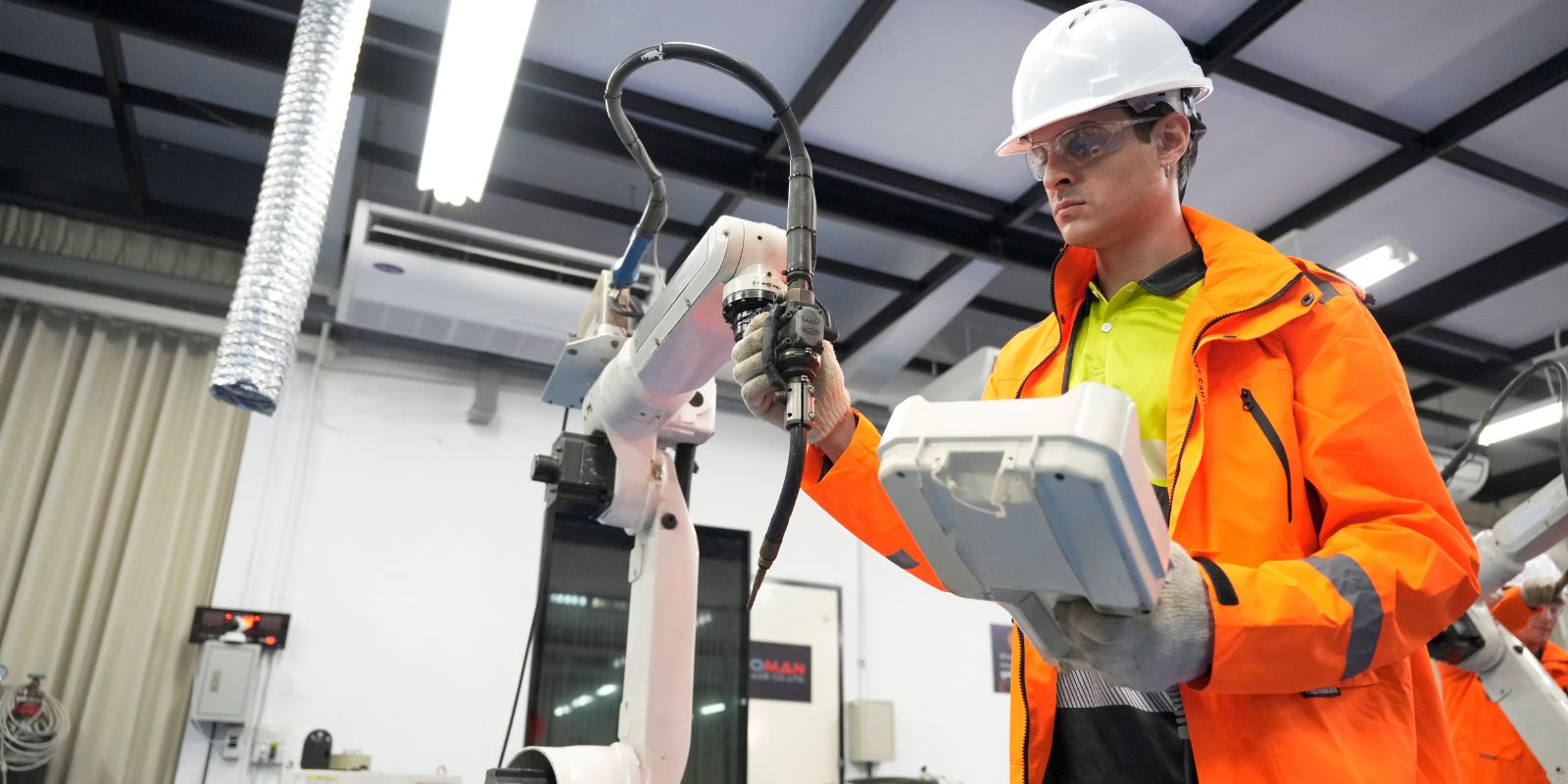
In today’s fast-paced digital economy, organizations are no longer defined by physical offices or fixed job roles. Technology has redefined how people work, collaborate, and deliver value. Traditional workforce models—built on hierarchy, manual processes, and location-bound teams—are rapidly becoming outdated.
In today’s hyper-connected, rapidly evolving business environment, enterprises face constant disruption from technology, globalization, and changing workforce expectations. Traditional HR models, designed for stability and predictability, are no longer sufficient.

The global business environment is undergoing a massive transformation driven by automation, digital platforms, globalization, and changing employee expectations. Traditional workforce structures built on rigid hierarchies and long-term roles are no longer enough to meet the speed of today’s market.

In today’s fast-changing economic landscape, organizations are no longer competing only on products or services—they are competing on talent.

The way organizations attract, develop, and retain talent is undergoing a fundamental transformation. Traditional workforce models—built around static roles, linear career paths, and rigid hierarchies—can no longer keep pace with the speed of digital change, global competition, and evolving employee expectations.

The way enterprises attract, develop, and retain talent is undergoing a profound transformation. Traditional hiring and workforce models, once built for stability and long-term roles, are now struggling to keep pace with rapid digital change, global competition, and evolving employee expectations.

In today’s competitive business environment, companies must remain agile, cost-efficient, and capable of scaling quickly. Traditional hiring methods are often slow, expensive, and rigid, making it difficult for organizations to keep pace with market changes.