February 11, 2026/
No Comments
In today’s highly competitive and rapidly changing business environment, organizations can no longer rely on traditional workforce planning methods.
In today’s highly competitive and rapidly changing business environment, organizations can no longer rely on traditional workforce planning methods.

In today’s competitive and fast-changing business world, hiring the right talent is no longer about intuition, gut feeling, or outdated hiring practices. Organizations that rely only on resumes, interviews, and referrals often struggle with high turnover, poor cultural fit, and inconsistent performance.
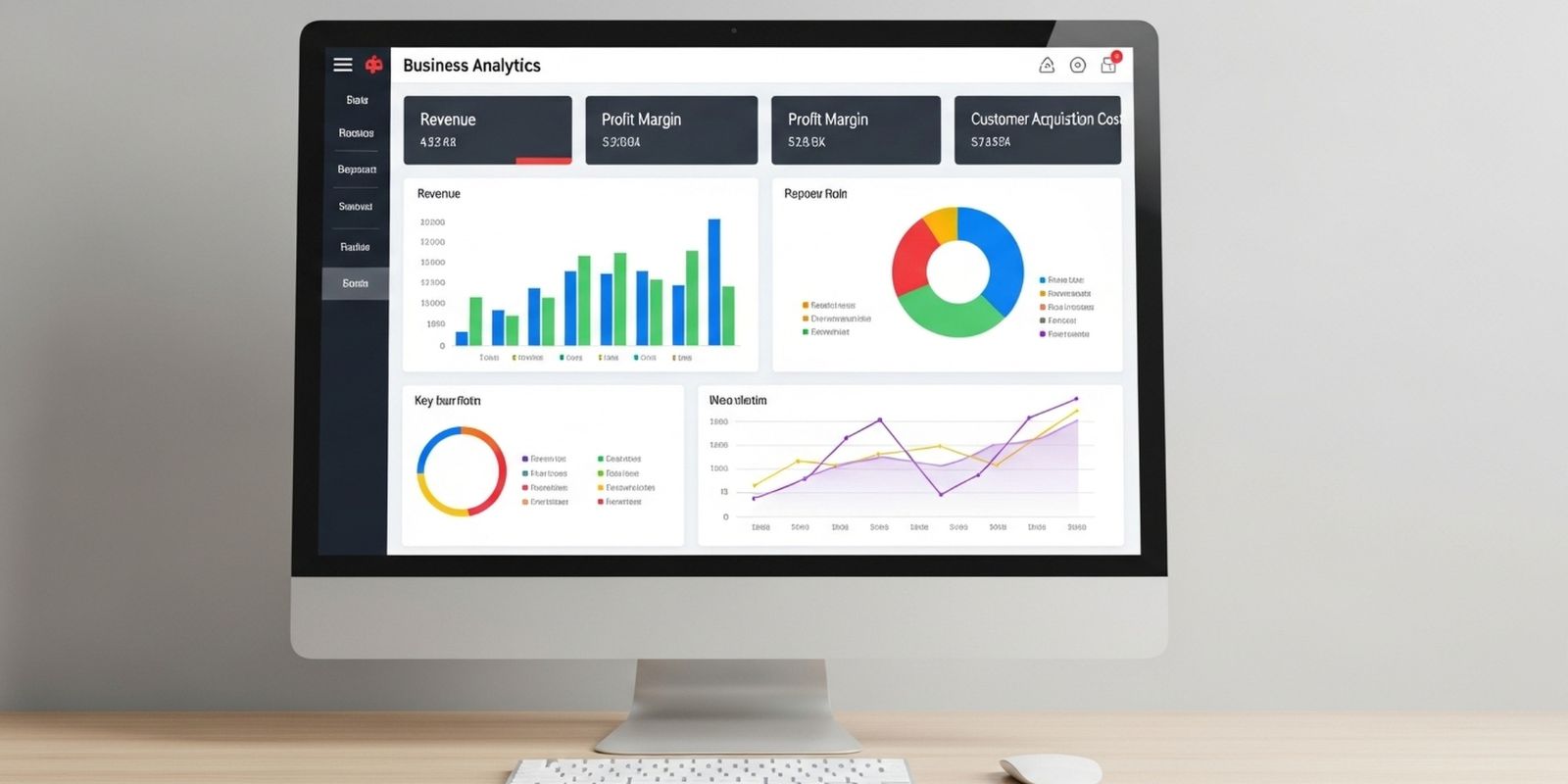
In today’s rapidly evolving business landscape, organizations can no longer rely on intuition or outdated workforce practices. The modern enterprise must operate with agility, precision, and foresight. This is where workforce insights through talent analytics become a game changer.
In the modern digital economy, organizations are under constant pressure to hire faster, retain better talent, and build high-performing teams.

In today’s fast-moving business environment, workforce decisions can no longer rely on intuition alone. Organizations are facing rapid technological changes, skill shortages, shifting employee expectations, and intense global competition.
In today’s fast-paced business environment, organizations are no longer driven by instinct or manual processes when managing their workforce.
In today’s competitive business environment, enterprises are under constant pressure to hire faster, smarter, and more efficiently.

In today’s fast-paced business environment, organizations face unprecedented pressure to attract, engage, and retain top talent. Traditional recruitment methods—manual screening, reactive hiring, and intuition-based decisions—are no longer sufficient.

In today’s rapidly evolving digital economy, organizations are under constant pressure to adapt, innovate, and scale. One of the most significant changes reshaping businesses across industries is technology driven workforce transformation.

The modern enterprise is no longer defined by physical offices, rigid hierarchies, or fixed job roles. Instead, it is shaped by networks of skills, digital platforms, and dynamic partnerships. As organizations adapt to rapid technological change, globalization, and evolving employee expectations, traditional workforce models are becoming obsolete.