February 14, 2026/
No Comments
In today’s fast-changing business environment, enterprises face increasing pressure to scale, innovate, and adapt while maintaining operational excellence.
In today’s fast-changing business environment, enterprises face increasing pressure to scale, innovate, and adapt while maintaining operational excellence.

In today’s digital-first economy, organizations must scale faster than ever to remain competitive. Rapid growth, fluctuating demand, global competition, and evolving technology landscapes have forced companies to rethink traditional hiring practices.

In today’s highly connected global economy, supply networks are no longer linear chains—they are complex, dynamic ecosystems. From raw material sourcing to final delivery, every node depends on skilled people working at the right time, in the right place, with the right capabilities.

The world of work is transforming faster than ever. Driven by digital disruption, global competition, remote collaboration, and evolving employee expectations, traditional workforce models are no longer sufficient. Organizations today must adopt modern workforce architectures that are agile, data-driven, scalable, and aligned with strategic goals.

In today’s rapidly changing business environment, organizations can no longer rely on traditional HR methods to manage people. The future of work is being shaped by automation, remote teams, artificial intelligence, and a global talent pool.

In today’s competitive and rapidly changing business environment, organizations can no longer rely on traditional hiring methods or intuition-driven workforce decisions.
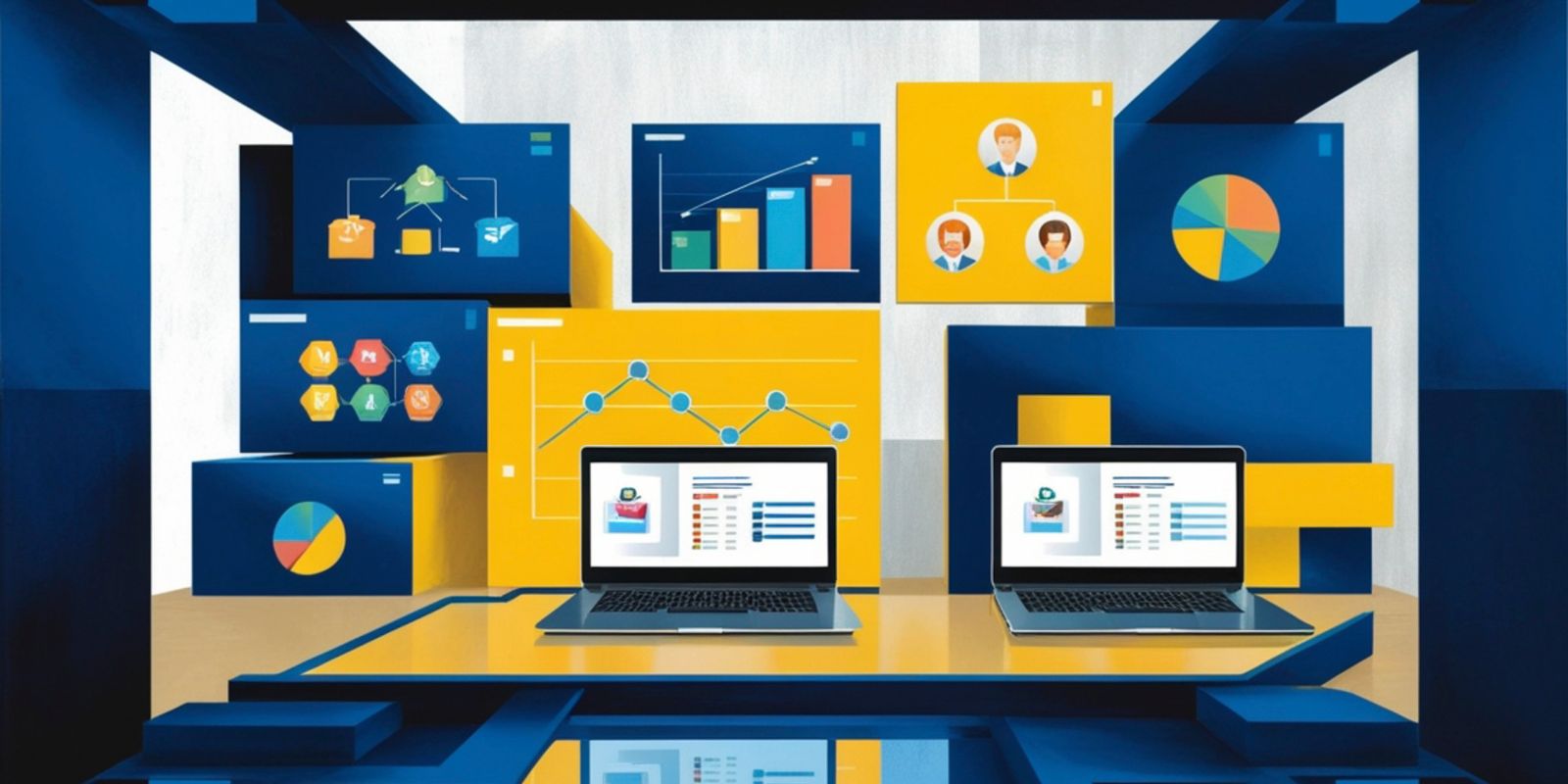
In today’s fast-changing business environment, organizations can no longer rely on intuition alone to make workforce decisions.

In today’s fast-changing business environment, organizations are under pressure to innovate, scale quickly, and stay competitive. Traditional workforce structures alone can no longer support the speed, flexibility, and efficiency modern companies need.

In today’s fast-changing business environment, organizations can no longer rely on traditional hiring methods to build successful teams. Digital disruption, automation, remote work, and shifting employee expectations have reshaped how companies attract and retain talent.

In today’s highly competitive and rapidly changing business environment, organizations cannot afford leadership gaps or unplanned transitions. Executive roles influence company vision, culture, profitability, and long-term success.