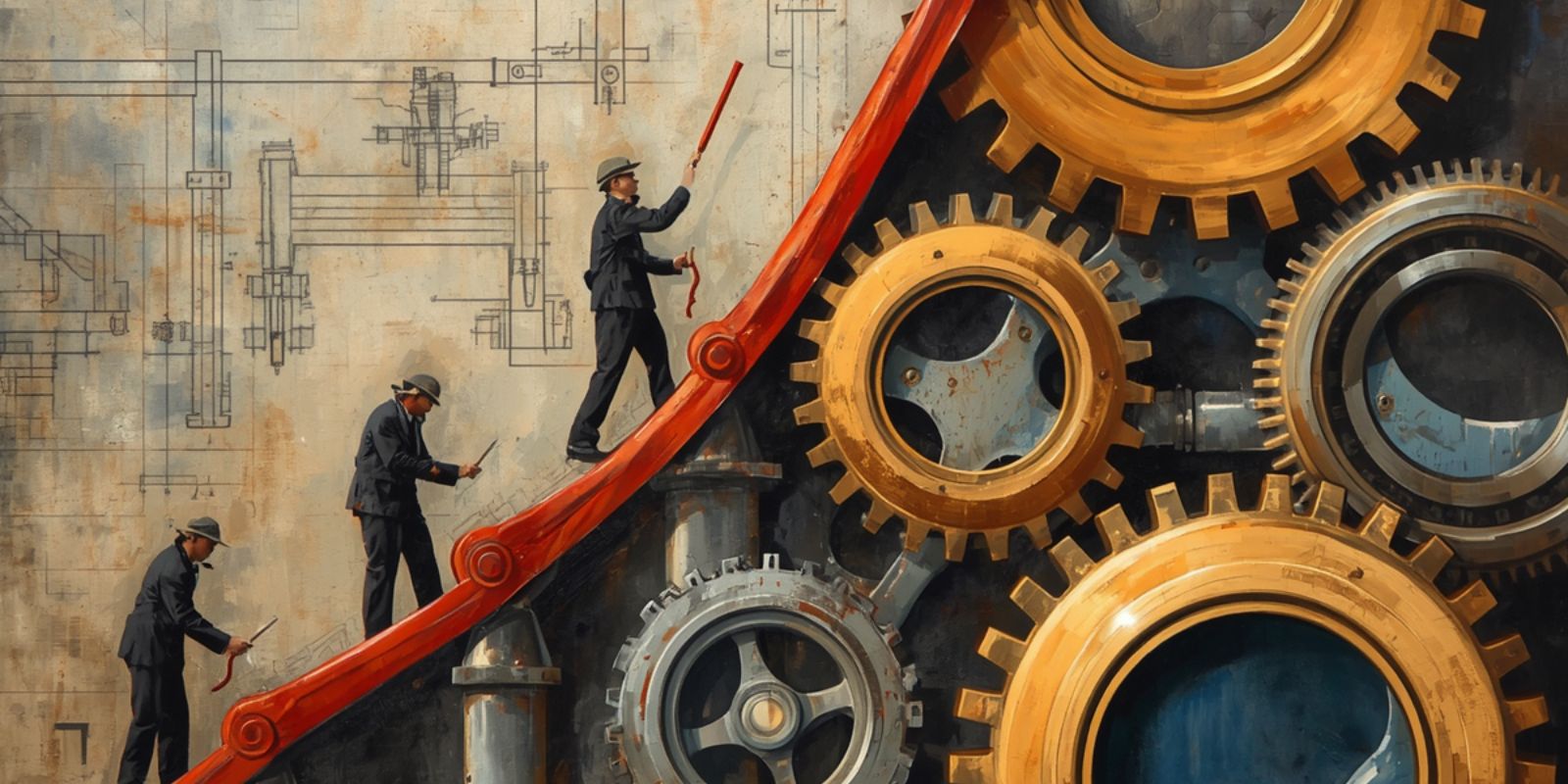
In today’s rapidly evolving industrial landscape, technology, automation, and digital tools often dominate discussions around performance improvement. However, at the heart of every successful industrial operation lies a critical and irreplaceable asset—the skilled workforce. Machines may automate tasks, but it is skilled people who design systems, maintain equipment, ensure quality, and drive continuous improvement. A skilled workforce for industrial performance is not just a support function; it is a strategic driver of productivity, safety, innovation, and long-term competitiveness.
Industries across manufacturing, logistics, energy, construction, and heavy engineering face growing pressure to deliver higher output, superior quality, and cost efficiency while adapting to market volatility. In this environment, organizations that invest in building and sustaining a skilled workforce consistently outperform those that do not.
Understanding Industrial Performance
Industrial performance refers to how effectively an organization utilizes its resources—people, machines, materials, and processes—to achieve operational goals. It includes key indicators such as productivity, quality, efficiency, safety, compliance, and profitability. While equipment and technology play vital roles, workforce capability determines how well these resources are used.
A skilled workforce enables smoother operations, faster problem resolution, reduced downtime, and improved consistency. Without skilled employees, even the most advanced industrial systems struggle to deliver expected results.
Why a Skilled Workforce Matters in Industry
1. Improved Productivity and Efficiency
Skilled workers understand processes deeply and perform tasks with precision. They can operate machines optimally, minimize errors, and complete work faster without compromising quality. Their expertise allows industries to achieve higher output with fewer disruptions, directly enhancing productivity and operational efficiency.
2. Enhanced Quality Standards
Industrial performance is closely linked to product and service quality. Skilled employees are trained to follow standards, detect defects early, and maintain consistency across production cycles. Their attention to detail reduces rework, scrap, and customer complaints, strengthening brand reputation and market trust.
3. Reduced Downtime and Operational Risks
Unplanned downtime is costly for any industrial operation. A skilled workforce can identify potential equipment issues before failures occur, conduct preventive maintenance, and troubleshoot problems efficiently. This proactive approach minimizes production losses and extends the lifespan of industrial assets.
4. Stronger Workplace Safety
Industries often operate in high-risk environments. Skilled workers are better trained in safety protocols, hazard identification, and emergency response. Their awareness reduces workplace accidents, ensures regulatory compliance, and creates a safer working environment, which in turn boosts employee morale and retention.
Key Skills Driving Industrial Performance
To maximize industrial performance, organizations must focus on developing both technical and behavioral competencies within their workforce.
Technical Skills
These include machine operation, equipment maintenance, quality control, automation handling, digital literacy, and process optimization. As industries adopt advanced technologies, technical upskilling becomes essential.
Problem-Solving Skills
Industrial environments demand quick thinking and effective problem resolution. Skilled workers can analyze issues, identify root causes, and implement corrective actions efficiently.
Adaptability and Learning Agility
With rapid technological changes, the ability to learn and adapt is critical. Skilled employees embrace new tools, processes, and systems without disrupting performance.
Teamwork and Communication
Industrial performance depends on collaboration across departments. Clear communication and teamwork ensure smooth workflow, reduced errors, and aligned objectives.
Workforce Development as a Performance Strategy
Organizations that treat workforce development as a strategic investment gain a significant competitive advantage. Training and skill development programs align employee capabilities with operational goals, enabling consistent performance improvement.
Structured Training Programs
On-the-job training, technical certifications, and skill-based workshops help employees stay updated with industry requirements.
Continuous Learning Culture
Encouraging continuous learning ensures that skills evolve alongside technology. This culture fosters innovation and resilience within industrial teams.
Leadership Development
Supervisors and managers play a vital role in translating workforce skills into performance outcomes. Leadership training strengthens decision-making, accountability, and team motivation.
Role of Technology in Skill Enhancement
While skills are human assets, technology supports workforce development. Digital learning platforms, simulations, and performance analytics help identify skill gaps and measure training effectiveness. Smart technologies also allow skilled workers to focus on value-adding tasks rather than repetitive manual work.
However, technology alone cannot deliver performance. Skilled workers are needed to interpret data, manage systems, and make informed decisions that drive operational success.
Skilled Workforce and Cost Optimization
Contrary to the belief that skill development increases costs, a skilled workforce actually reduces long-term expenses. Higher efficiency, fewer errors, lower downtime, and reduced safety incidents result in significant cost savings. Skilled employees also improve resource utilization, ensuring optimal use of materials and energy.
Industries that prioritize skill development often experience better return on investment through improved operational stability and reduced waste.
Challenges in Building a Skilled Workforce
Despite its importance, developing a skilled workforce presents challenges:
- Talent shortages in specialized roles
- Rapid technological changes requiring frequent upskilling
- High attrition rates in industrial sectors
- Limited access to structured training programs
Addressing these challenges requires proactive workforce planning, partnerships with training institutions, and a strong employer value proposition.
Future of Industrial Performance Depends on Skills
The future of industrial performance will be defined by how effectively organizations integrate human skills with technology. Automation and artificial intelligence will change job roles, but they will not eliminate the need for skilled workers. Instead, demand will grow for employees who can manage advanced systems, analyze data, and drive continuous improvement.
Industries that anticipate these changes and invest early in skill development will remain resilient, agile, and competitive in a dynamic market.
Conclusion
A skilled workforce for industrial performance is no longer optional—it is essential. Skilled employees drive productivity, ensure quality, enhance safety, and support sustainable growth. While technology and automation continue to evolve, human expertise remains the foundation of industrial success.