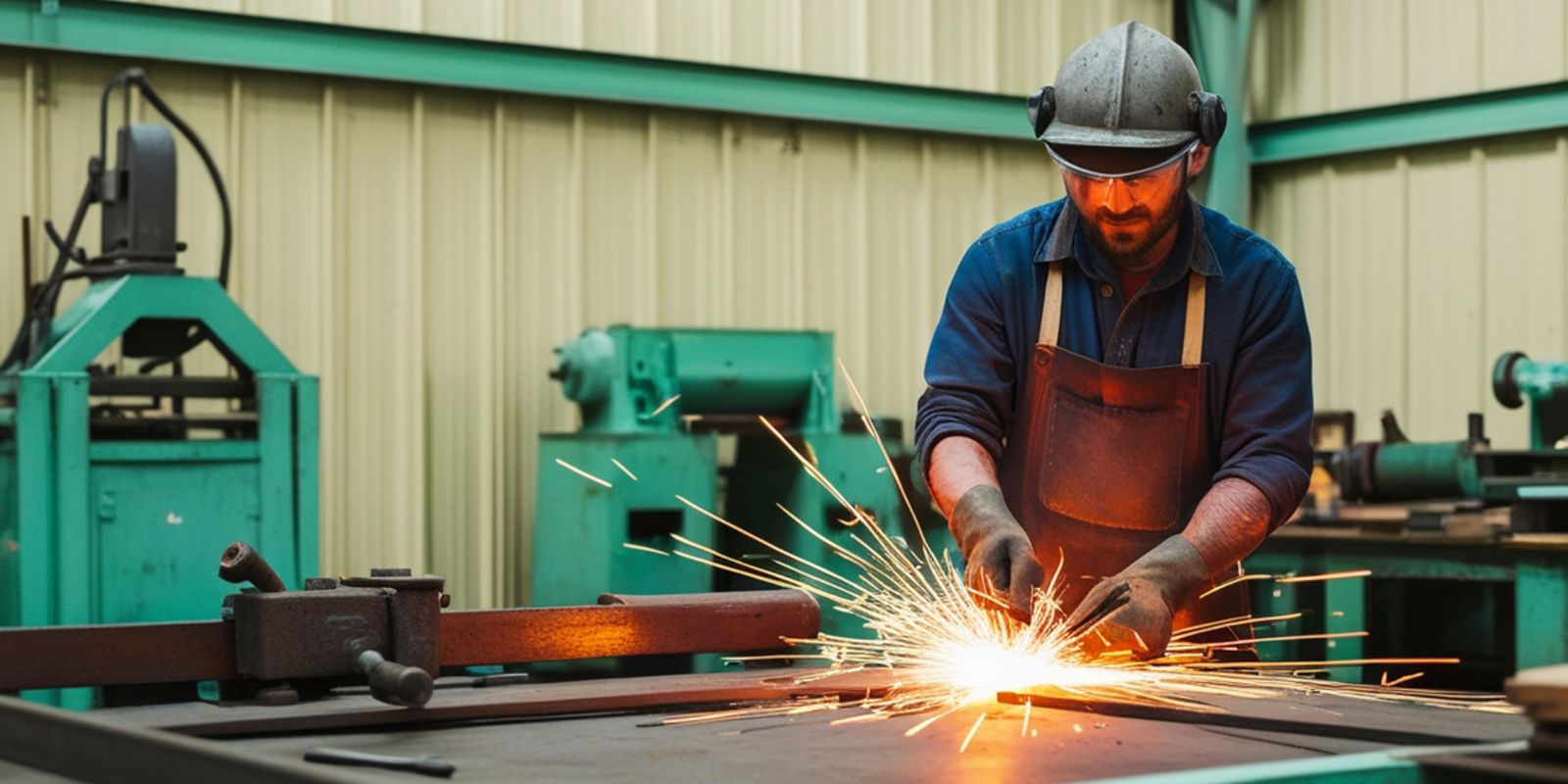
Manufacturing companies operate in a highly competitive environment where productivity, quality, efficiency, and timely delivery determine success. Whether it is automotive production, FMCG manufacturing, pharmaceuticals, engineering, textiles, electronics, or heavy industries, having the right workforce is essential for maintaining operational excellence. Skilled manpower forms the backbone of every manufacturing unit, ensuring that machines run efficiently, production targets are achieved, and quality standards are maintained.
As industries continue to adopt automation, advanced machinery, and digital technologies, the demand for skilled workers has increased significantly. Companies today require trained professionals who can operate equipment, troubleshoot technical issues, maintain production lines, and contribute to continuous improvement initiatives.
This article explores the importance of skilled manpower for manufacturing companies, the challenges organizations face in hiring qualified workers, and how effective manpower solutions can help businesses achieve sustainable growth.
Understanding Skilled Manpower in Manufacturing
Skilled manpower refers to workers who possess specialized knowledge, technical expertise, practical experience, and industry-specific training required to perform manufacturing tasks efficiently.
These professionals may include:
- Machine Operators
- CNC Programmers
- Welders
- Electricians
- Fitters
- Production Supervisors
- Quality Inspectors
- Maintenance Technicians
- Packaging Operators
- Assembly Line Workers
- Tool and Die Makers
- Industrial Engineers
- Material Handling Operators
- Warehouse Personnel
Their expertise directly impacts production efficiency, product quality, workplace safety, and overall business profitability.
Why Skilled Manpower Matters in Manufacturing
1. Improves Production Efficiency
Manufacturing operations rely heavily on workforce performance. Skilled employees understand production processes and can operate machinery effectively, reducing downtime and maximizing output.
Benefits include:
- Faster production cycles
- Better machine utilization
- Reduced operational delays
- Higher productivity levels
- Improved workflow management
When workers possess the right skills, organizations can achieve consistent production targets with minimal disruptions.
2. Ensures Product Quality
Quality is a critical factor in manufacturing success. Skilled workers understand quality standards and follow established procedures to ensure products meet customer expectations.
They help:
- Reduce defects
- Improve consistency
- Minimize rework
- Enhance customer satisfaction
- Maintain regulatory compliance
A well-trained workforce contributes significantly to delivering high-quality products to the market.
3. Supports Advanced Manufacturing Technologies
Modern manufacturing facilities increasingly use:
- Automation systems
- Robotics
- CNC machinery
- AI-powered monitoring tools
- IoT-enabled equipment
- Digital production platforms
Operating these technologies requires technical expertise. Skilled manpower ensures organizations can fully utilize their investments in advanced manufacturing systems.
4. Reduces Equipment Downtime
Machine breakdowns can cause costly production delays.
Skilled technicians and maintenance professionals can:
- Identify potential issues early
- Perform preventive maintenance
- Troubleshoot problems quickly
- Reduce repair costs
- Improve equipment lifespan
This proactive approach enhances operational efficiency and minimizes disruptions.
5. Strengthens Workplace Safety
Manufacturing environments involve various risks, including machinery hazards, electrical systems, chemicals, and heavy equipment.
Skilled workers understand:
- Safety procedures
- Equipment handling practices
- Emergency protocols
- Regulatory requirements
This knowledge helps reduce workplace accidents and creates a safer working environment.
Challenges Manufacturing Companies Face in Hiring Skilled Workers
Growing Skill Shortages
Many industries struggle to find qualified workers with the necessary technical skills and practical experience.
Factors contributing to skill shortages include:
- Aging workforce
- Rapid technological changes
- Limited vocational training
- Increased industry demand
- Competition for talent
As a result, manufacturers often face delays in filling critical positions.
High Employee Turnover
Manufacturing companies frequently experience workforce turnover due to:
- Better job opportunities
- Wage competition
- Lack of career growth
- Job dissatisfaction
Replacing skilled employees can be costly and time-consuming.
Seasonal Production Demands
Many manufacturing sectors experience fluctuating demand throughout the year.
Examples include:
- FMCG production spikes
- Festival season demand
- Export order increases
- New product launches
Companies need flexible workforce solutions to manage these fluctuations efficiently.
Hiring Time Constraints
Production schedules leave little room for lengthy recruitment processes.
Manufacturers often need workers quickly to:
- Meet customer deadlines
- Support expansion projects
- Replace absent employees
- Handle urgent production requirements
Finding qualified candidates within short timelines can be challenging.
Benefits of Skilled Manpower Solutions
Partnering with manpower service providers helps manufacturing companies address workforce challenges effectively.
Access to Qualified Talent
Professional staffing agencies maintain extensive candidate databases, allowing businesses to quickly find workers with relevant skills and experience.
This ensures:
- Faster hiring
- Better candidate quality
- Reduced recruitment efforts
- Improved workforce availability
Flexible Workforce Management
Manufacturing companies often require temporary, contract, and permanent workers.
Staffing solutions provide:
- Temporary staffing
- Contract staffing
- Project-based workforce
- Seasonal workforce support
- Permanent recruitment services
This flexibility helps organizations respond to changing business demands.
Reduced Recruitment Costs
Hiring skilled workers independently can be expensive.
Costs may include:
- Job advertisements
- Candidate screening
- Interview expenses
- Training costs
- Administrative overhead
Manpower partners streamline recruitment and reduce overall hiring expenses.
Faster Hiring Process
Recruitment agencies specialize in sourcing, screening, and onboarding candidates quickly.
Benefits include:
- Reduced vacancies
- Faster workforce deployment
- Improved productivity
- Lower operational disruptions
This speed is particularly valuable during urgent hiring situations.
Key Roles Requiring Skilled Manpower
Production Operators
Production operators manage machinery and ensure smooth manufacturing processes.
Their responsibilities include:
- Operating equipment
- Monitoring production
- Maintaining quality standards
- Reporting operational issues
Maintenance Technicians
Maintenance professionals keep equipment functioning efficiently through preventive and corrective maintenance activities.
They help reduce downtime and improve equipment reliability.
Quality Control Specialists
Quality personnel inspect products and processes to ensure compliance with specifications and industry standards.
Their work helps maintain customer satisfaction and brand reputation.
CNC Operators and Programmers
CNC professionals play a critical role in precision manufacturing.
Their expertise ensures:
- Accurate machining
- Efficient production
- Reduced material waste
- Improved product quality
Warehouse and Material Handling Staff
These employees manage inventory movement and support efficient supply chain operations.
Responsibilities include:
- Receiving materials
- Inventory control
- Order fulfillment
- Logistics coordination
Building a Strong Manufacturing Workforce
Invest in Training Programs
Continuous training helps employees stay updated with industry developments and technological advancements.
Training areas may include:
- Machine operation
- Quality control
- Safety practices
- Technical skills
- Leadership development
Focus on Employee Retention
Retaining skilled workers is often more cost-effective than replacing them.
Organizations can improve retention through:
- Competitive compensation
- Career growth opportunities
- Recognition programs
- Positive work environments
- Employee engagement initiatives
Promote Workplace Safety
A strong safety culture protects employees and enhances organizational performance.
Best practices include:
- Regular safety training
- Equipment inspections
- Safety audits
- Compliance monitoring
- Risk assessments
Leverage Workforce Planning
Strategic workforce planning helps companies anticipate future staffing needs and prepare for business growth.
Effective planning ensures:
- Workforce availability
- Skill readiness
- Reduced talent shortages
- Improved operational continuity
The Role of Staffing Partners in Manufacturing Success
Professional manpower providers contribute significantly to manufacturing operations by offering end-to-end workforce solutions.
Their services typically include:
- Candidate sourcing
- Skill assessment
- Background verification
- Workforce deployment
- Payroll support
- Compliance management
- Employee onboarding
By outsourcing recruitment responsibilities, manufacturers can focus on production excellence and business growth.
Future Trends in Manufacturing Workforce Management
The manufacturing sector continues to evolve with technological advancements and changing workforce expectations.
Key trends include:
Automation and Human Collaboration
Rather than replacing workers, automation is creating demand for employees who can manage and optimize automated systems.
Digital Skill Development
Manufacturers increasingly require workers with digital competencies to support smart factory initiatives.
Workforce Analytics
Data-driven workforce planning enables organizations to make informed hiring and staffing decisions.
Continuous Learning
Upskilling and reskilling programs will become essential for maintaining workforce competitiveness.
Flexible Staffing Models
Companies will continue adopting flexible workforce strategies to adapt quickly to changing market demands.
Conclusion
Skilled manpower is one of the most valuable assets for manufacturing companies. From improving productivity and maintaining product quality to supporting advanced technologies and ensuring workplace safety, qualified workers play a critical role in operational success.
As manufacturing industries face growing skill shortages and increasing competition, investing in skilled workforce solutions becomes essential. By partnering with experienced staffing providers, implementing effective workforce planning strategies, and focusing on employee development, manufacturers can build strong, reliable teams that drive long-term business growth.
Organizations that prioritize skilled manpower will be better positioned to enhance efficiency, meet customer expectations, embrace innovation, and maintain a competitive advantage in the rapidly evolving manufacturing landscape.