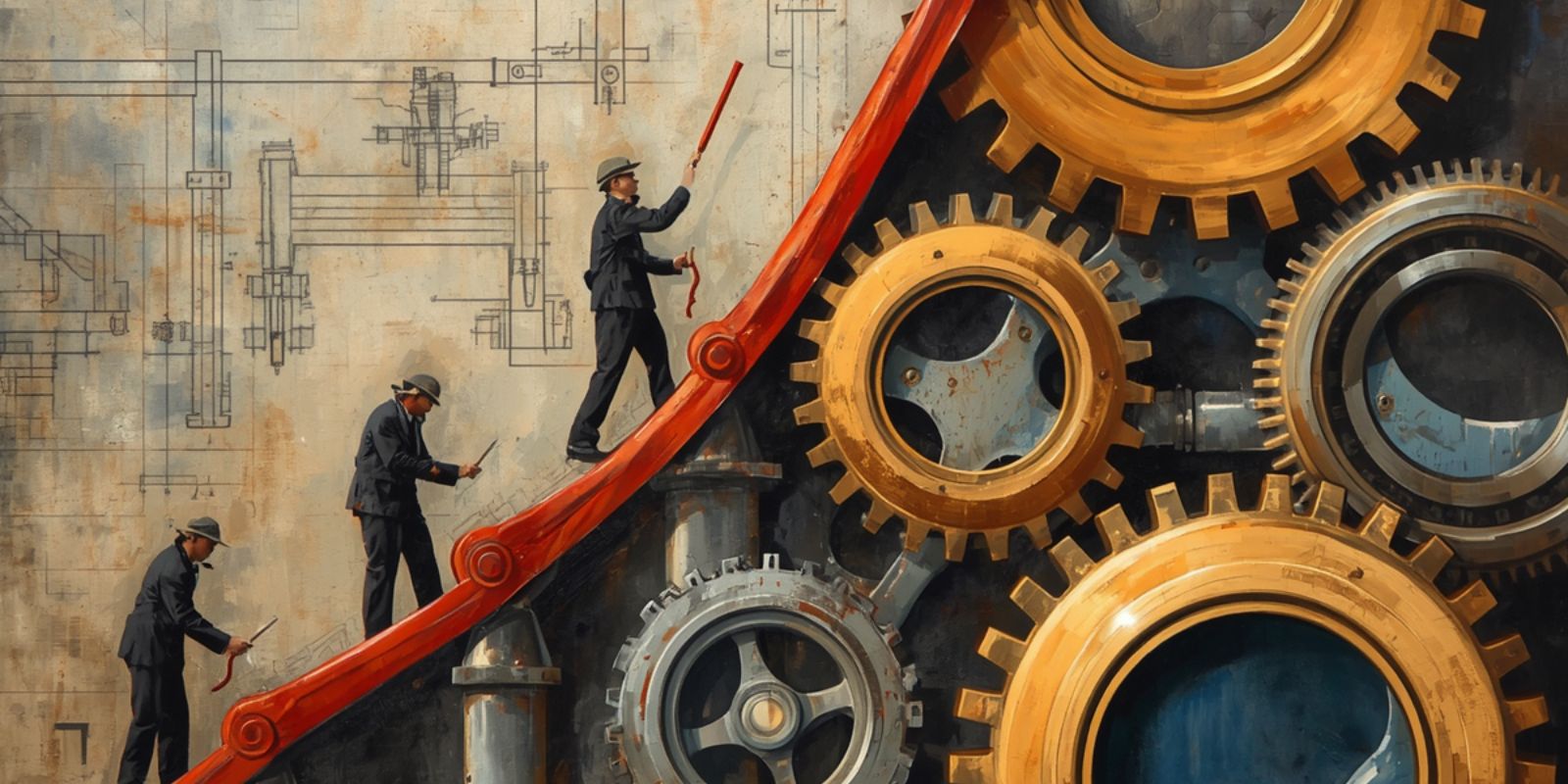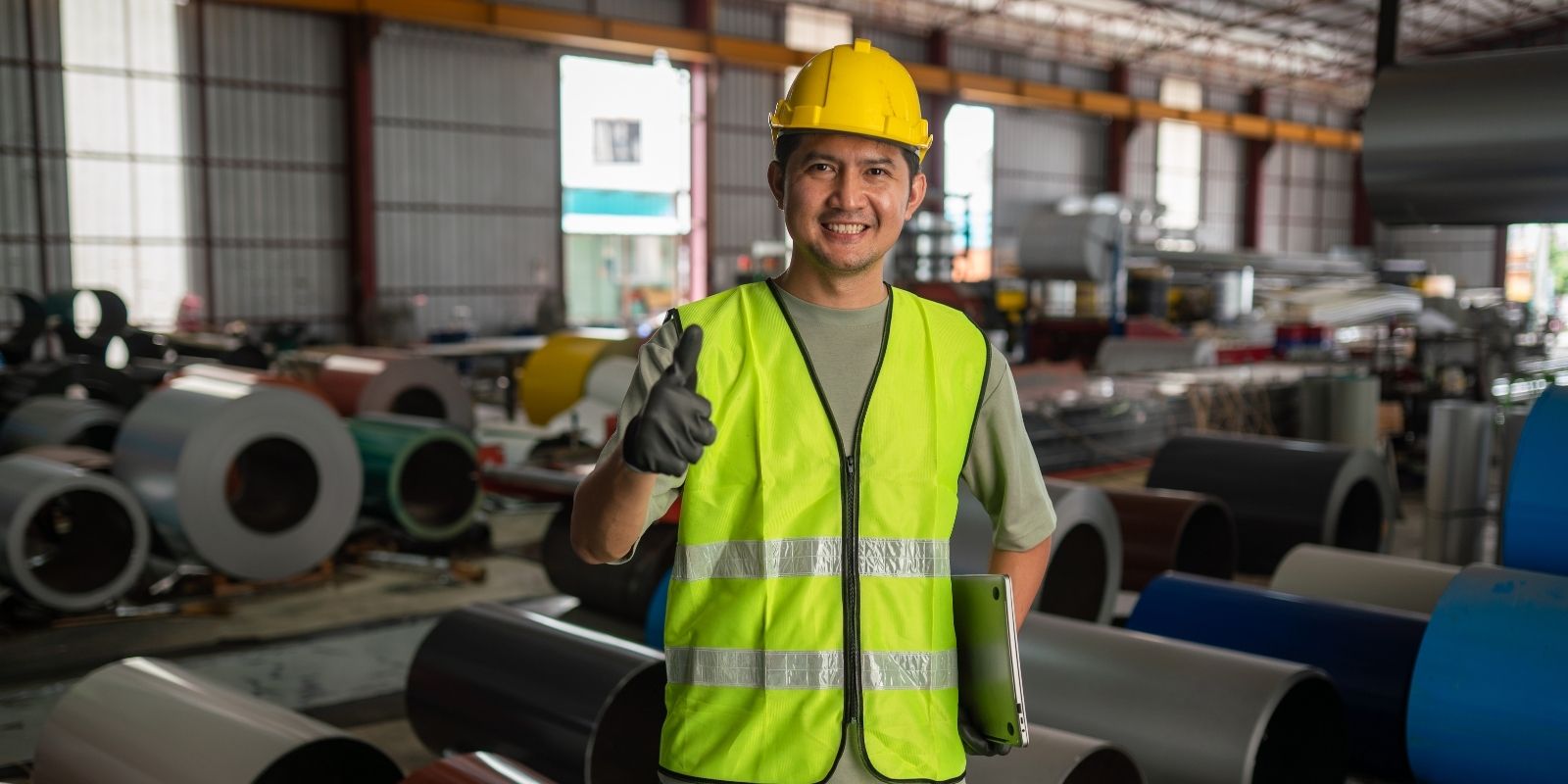
In today’s fast-evolving industrial landscape, manufacturing success depends on more than machinery, automation, or raw materials. At the heart of every efficient factory and high-performing production unit lies a strong, capable workforce. Skilled labor for manufacturing success is no longer optional—it is essential. Companies that invest in developing and retaining skilled workers consistently outperform those that overlook human capital.
Manufacturing organizations face rising competition, tighter quality standards, and increasing pressure to deliver faster while maintaining cost efficiency. Skilled labor provides the foundation needed to meet these challenges head-on. From precision operations to continuous improvement initiatives, skilled employees transform manufacturing goals into measurable results.
Understanding Skilled Labor in Manufacturing
Skilled labor refers to workers who possess specialized technical knowledge, hands-on experience, and problem-solving abilities required for manufacturing operations. These skills may include machine operation, quality control, maintenance, safety compliance, lean manufacturing practices, and digital literacy.
Unlike unskilled or semi-skilled labor, skilled manufacturing workers understand not only how to perform tasks but also why processes matter. This understanding enables them to identify inefficiencies, prevent errors, and contribute to innovation on the shop floor.
Why Skilled Labor Is Critical for Manufacturing Success
1. Improved Productivity and Efficiency
Skilled workers operate machines more efficiently, minimize downtime, and optimize workflows. Their expertise allows them to complete tasks faster without compromising quality. As a result, manufacturing plants achieve higher output levels while controlling operational costs.
When workers understand equipment and processes deeply, they reduce trial-and-error delays. This efficiency directly impacts profitability and customer satisfaction.
2. Consistent Quality and Reduced Defects
Quality is a defining factor in manufacturing success. Skilled labor ensures adherence to specifications, standards, and quality protocols. Trained workers can detect defects early, correct issues proactively, and maintain consistency across production batches.
Reduced rework and scrap save time and materials, strengthening a company’s reputation in competitive markets.
3. Enhanced Workplace Safety
Manufacturing environments involve complex machinery and potentially hazardous processes. Skilled workers are trained to follow safety procedures, recognize risks, and respond appropriately to emergencies.
A skilled workforce reduces workplace accidents, ensures compliance with regulations, and creates a safer environment for everyone. Safety improvements also lower insurance costs and minimize production disruptions.
4. Faster Adoption of New Technologies
Industry 4.0, automation, and smart manufacturing systems are reshaping the sector. Skilled labor plays a crucial role in adopting and maintaining advanced technologies. Workers with technical expertise adapt more quickly to new machines, software, and digital tools.
This adaptability enables manufacturers to remain competitive and future-ready while maximizing returns on technology investments.
The Role of Training and Workforce Development
Continuous Skill Enhancement
Manufacturing skills cannot remain static. Continuous training ensures workers stay updated with evolving technologies and best practices. Upskilling programs, certifications, and on-the-job training strengthen workforce capabilities and improve morale.
Organizations that prioritize learning create a culture of excellence and innovation.
Bridging the Skill Gap
Many manufacturers struggle with skill shortages due to rapid technological changes and an aging workforce. Strategic workforce planning helps bridge this gap by identifying future skill requirements and preparing employees accordingly.
Apprenticeships, technical partnerships, and structured onboarding programs help build a sustainable talent pipeline.
Skilled Labor and Operational Excellence
Operational excellence in manufacturing depends on precision, accountability, and continuous improvement. Skilled labor supports these objectives by:
- Implementing lean manufacturing principles
- Reducing waste and inefficiencies
- Supporting preventive maintenance programs
- Contributing ideas for process optimization
Employees who understand operations holistically become partners in performance improvement rather than task executors.
Retention: A Key Factor in Manufacturing Stability
Hiring skilled workers is only part of the equation. Retaining them is equally important. High turnover leads to skill loss, training costs, and production instability.
Manufacturers that focus on employee engagement, fair compensation, career growth, and a positive work environment retain skilled labor longer. Stable teams improve coordination, efficiency, and long-term success.
Skilled Labor as a Competitive Advantage
In competitive manufacturing markets, products and technologies can often be replicated. A skilled workforce, however, is difficult to duplicate. Companies with experienced, knowledgeable teams respond faster to market demands, customize solutions, and maintain higher quality standards.
Skilled labor becomes a strategic asset that differentiates successful manufacturers from their competitors.
The Impact on Customer Satisfaction
Customers expect reliability, consistency, and timely delivery. Skilled manufacturing workers ensure that production schedules are met and quality promises are fulfilled.
When customers receive defect-free products on time, trust grows. This trust leads to repeat business, stronger relationships, and long-term brand loyalty.
Future Outlook: Skilled Labor in Modern Manufacturing
As manufacturing continues to evolve, the demand for skilled labor will only increase. Automation will not replace skilled workers; instead, it will elevate their roles. Workers will increasingly focus on monitoring systems, analyzing data, and making informed decisions.
Manufacturers who invest today in skill development will be better prepared for tomorrow’s challenges.
Conclusion
Skilled labor for manufacturing success is the backbone of productive, safe, and competitive operations. From improving efficiency and quality to enabling technological advancement, skilled workers drive measurable business outcomes.