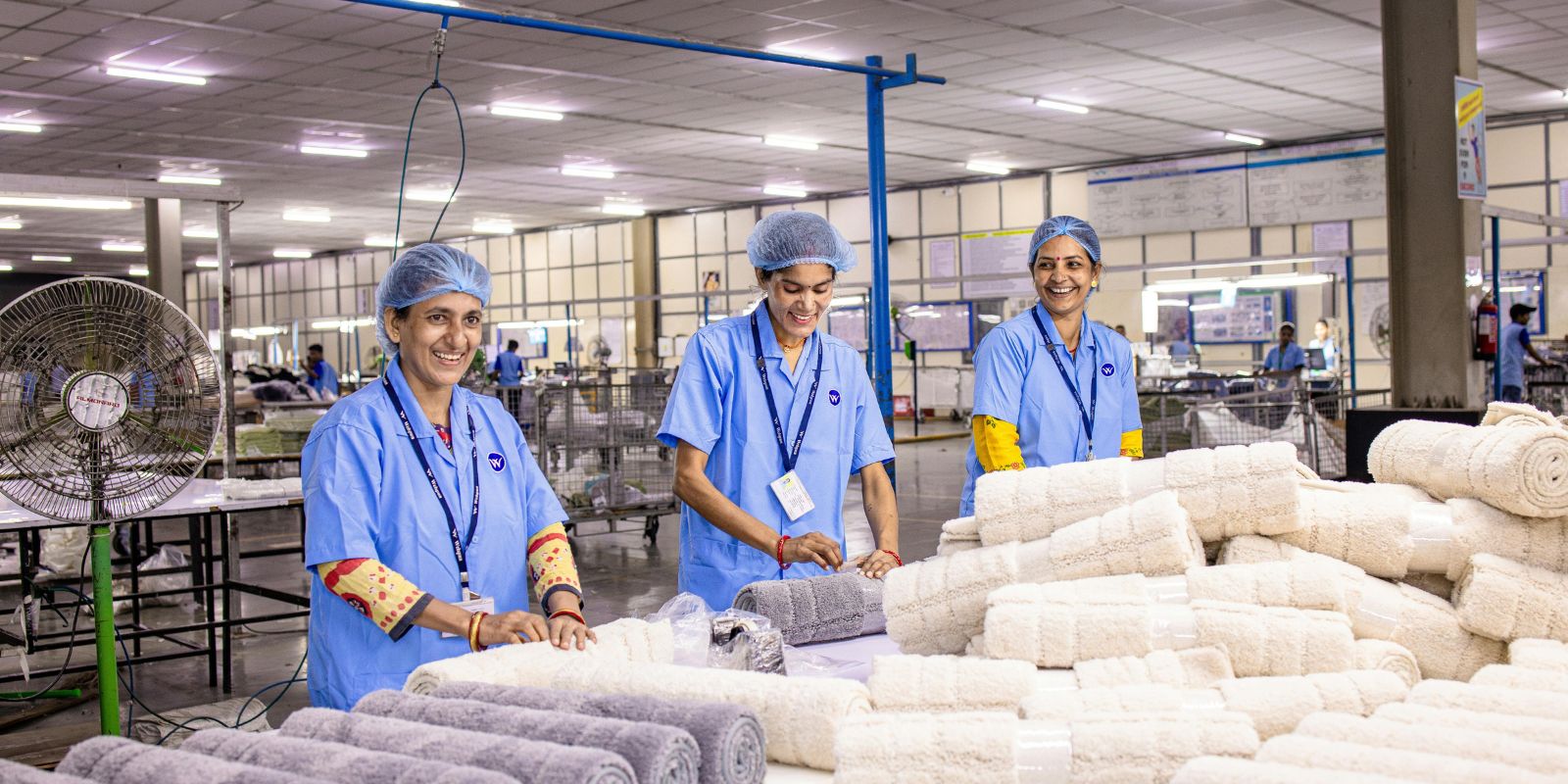
The manufacturing industry is the backbone of economic growth, driving innovation, industrial development, and employment across the globe. From automotive and electronics to pharmaceuticals, food processing, textiles, and heavy engineering, manufacturers depend on a skilled and reliable workforce to maintain efficient production processes. While advanced machinery and automation have transformed factory operations, the role of a well-trained manufacturing workforce remains essential for achieving high production output, maintaining quality standards, and meeting customer demands.
In today’s competitive business environment, manufacturers face increasing pressure to improve productivity, reduce operational costs, minimize downtime, and deliver products faster. A skilled manufacturing workforce helps organizations achieve these objectives by ensuring smooth production operations, enhancing efficiency, and supporting continuous improvement initiatives.
This article explores how a strong manufacturing workforce improves production output, the benefits of strategic workforce planning, common workforce challenges, and best practices for building a productive manufacturing team.
Understanding the Manufacturing Workforce
A manufacturing workforce consists of employees involved in various stages of the production process, from raw material handling to finished product delivery. These professionals perform technical, operational, supervisory, and quality-related tasks that ensure efficient manufacturing operations.
A typical manufacturing workforce includes:
- Machine operators
- Production workers
- Assembly line employees
- CNC machine operators
- Welders and fabricators
- Maintenance technicians
- Quality inspectors
- Production supervisors
- Engineers
- Warehouse personnel
- Material handlers
- Logistics coordinators
Every employee contributes to maintaining productivity, safety, quality, and operational excellence.
Why the Manufacturing Workforce Is Essential
Modern manufacturing environments rely on a combination of technology, skilled labor, and efficient processes.
A capable workforce helps organizations:
- Increase production capacity
- Improve product quality
- Reduce manufacturing errors
- Minimize equipment downtime
- Enhance workplace safety
- Meet delivery deadlines
- Improve customer satisfaction
- Support business growth
Without a reliable workforce, even the most advanced manufacturing facilities may struggle to achieve production goals.
Benefits of a Skilled Manufacturing Workforce
1. Increased Production Efficiency
Skilled manufacturing professionals understand production processes, machine operations, and quality requirements.
Their expertise helps:
- Reduce production delays
- Improve workflow efficiency
- Increase machine utilization
- Minimize material waste
- Optimize production schedules
Higher efficiency directly contributes to improved production output.
2. Better Product Quality
Product quality remains one of the most important success factors in manufacturing.
Experienced employees ensure:
- Accurate machine settings
- Proper material handling
- Consistent production standards
- Thorough quality inspections
- Compliance with manufacturing specifications
High-quality products strengthen customer trust and reduce product returns.
3. Reduced Equipment Downtime
Machine breakdowns can significantly impact production output.
Skilled maintenance technicians perform:
- Preventive maintenance
- Equipment inspections
- Quick repairs
- Performance monitoring
- Troubleshooting
Reducing downtime keeps production lines operating efficiently.
4. Improved Workplace Safety
Manufacturing environments involve heavy machinery, hazardous materials, and complex equipment.
Well-trained employees follow safety procedures that help:
- Prevent workplace accidents
- Reduce injuries
- Protect equipment
- Maintain regulatory compliance
- Improve employee confidence
A safe workplace also contributes to higher productivity and lower operational risks.
Workforce Planning Supports Production Growth
Production demand often changes due to:
- Seasonal orders
- New product launches
- Market expansion
- Customer requirements
- Export opportunities
Strategic workforce planning enables manufacturers to recruit additional employees when required while maintaining operational flexibility.
Effective workforce planning includes:
- Demand forecasting
- Skills assessment
- Recruitment planning
- Shift scheduling
- Succession planning
These activities ensure the right people are available at the right time.
Role of Manufacturing Staffing Solutions
Many manufacturers partner with staffing agencies to address workforce shortages and improve recruitment efficiency.
Manufacturing staffing solutions provide:
- Temporary workers
- Contract employees
- Permanent recruitment
- Skilled technicians
- Seasonal workforce
- Production supervisors
- Warehouse staff
Staffing providers help businesses quickly fill vacancies and maintain production continuity.
Enhancing Productivity Through Employee Training
Continuous employee development plays a vital role in improving production output.
Training programs help employees:
- Learn new manufacturing technologies
- Improve technical skills
- Understand quality standards
- Follow safety protocols
- Operate advanced machinery
- Solve production problems
Skilled employees work more efficiently and contribute to continuous operational improvement.
Supporting Lean Manufacturing
Lean manufacturing focuses on eliminating waste while maximizing value.
A trained workforce supports lean initiatives by:
- Reducing production waste
- Improving process efficiency
- Enhancing inventory management
- Identifying improvement opportunities
- Supporting continuous improvement programs
Employee participation is essential for successful lean manufacturing implementation.
Automation and Human Expertise
Automation has transformed manufacturing, but technology cannot replace skilled professionals entirely.
Employees continue to perform critical functions such as:
- Programming automated equipment
- Monitoring production systems
- Troubleshooting machinery
- Quality inspections
- Maintenance
- Process optimization
The combination of automation and human expertise produces the highest levels of productivity.
Workforce Flexibility Improves Operations
Manufacturing businesses often experience fluctuating workloads.
Flexible workforce strategies allow organizations to:
- Increase staffing during peak production
- Reduce labor shortages
- Support multiple shifts
- Handle urgent customer orders
- Maintain uninterrupted operations
Flexible staffing improves production efficiency without unnecessary labor costs.
Manufacturing Workforce Across Different Industries
Automotive Manufacturing
Automotive companies require skilled professionals for:
- Assembly operations
- Welding
- Robotics
- Painting
- Quality testing
- Supply chain management
Efficient staffing supports large-scale vehicle production.
Food Processing
Food manufacturers employ workers for:
- Packaging
- Production
- Quality control
- Hygiene management
- Equipment operation
Skilled employees ensure food safety and regulatory compliance.
Pharmaceutical Manufacturing
Pharmaceutical facilities require:
- Production technicians
- Laboratory professionals
- Validation engineers
- Packaging operators
- Compliance specialists
Qualified staff help maintain product quality and patient safety.
Electronics Manufacturing
Electronics companies hire specialists in:
- PCB assembly
- Precision manufacturing
- Quality assurance
- Testing
- Automation
Highly skilled workers improve manufacturing accuracy.
Improving Employee Retention
Retaining experienced employees is essential for consistent production output.
Organizations improve retention by offering:
- Competitive salaries
- Career advancement opportunities
- Training and certification
- Employee recognition
- Safe working conditions
- Flexible scheduling
Lower employee turnover reduces recruitment costs and improves operational stability.
Technology Supports Workforce Management
Modern workforce management systems improve manufacturing efficiency through:
- Digital attendance tracking
- Shift scheduling software
- Performance monitoring
- Workforce analytics
- Skills management
- Payroll automation
Technology enables manufacturers to make informed workforce decisions.
Addressing Manufacturing Workforce Challenges
Manufacturers frequently encounter workforce-related challenges.
Skilled Labor Shortages
Many industries struggle to recruit:
- Machine operators
- Maintenance technicians
- CNC programmers
- Welders
- Engineers
Partnering with staffing providers expands access to qualified candidates.
High Employee Turnover
Production environments often experience workforce fluctuations.
Improving workplace culture, compensation, and career development helps reduce turnover.
Changing Technology Requirements
Modern manufacturing increasingly relies on:
- Industrial automation
- Robotics
- Artificial intelligence
- Internet of Things (IoT)
- Smart manufacturing
Organizations must continuously train employees to keep pace with technological advancements.
Role of Staffing Agencies
Professional manufacturing staffing agencies provide comprehensive workforce solutions including:
- Candidate sourcing
- Resume screening
- Skills testing
- Background verification
- Interview coordination
- Temporary staffing
- Permanent recruitment
- Payroll support
- Compliance management
These services reduce hiring time while ensuring manufacturers recruit qualified professionals.
Best Practices for Building a Strong Manufacturing Workforce
Manufacturers can improve production output by implementing several workforce strategies.
Clearly Define Workforce Requirements
Identify:
- Technical skills
- Experience levels
- Shift requirements
- Safety certifications
- Machine expertise
Accurate job descriptions improve hiring quality.
Invest in Workforce Development
Regular training enhances employee capabilities and prepares teams for evolving manufacturing technologies.
Promote Workplace Safety
Strong safety programs reduce accidents and improve employee confidence.
Encourage Team Collaboration
Effective communication improves production coordination and problem-solving.
Measure Workforce Performance
Performance evaluations identify strengths, training needs, and opportunities for continuous improvement.
Future Trends in Manufacturing Workforce Management
The manufacturing workforce continues evolving alongside technological advancements.
Emerging trends include:
- Smart factories
- AI-powered workforce planning
- Robotics integration
- Digital manufacturing
- Predictive maintenance
- Skills-based hiring
- Remote equipment monitoring
- Workforce analytics
Organizations embracing these innovations will improve productivity and remain competitive.
Why Manufacturing Workforce Matters
A skilled manufacturing workforce contributes directly to:
- Higher production output
- Better product quality
- Reduced operational costs
- Improved customer satisfaction
- Stronger workplace safety
- Faster production cycles
- Greater operational efficiency
- Sustainable business growth
Employees remain the driving force behind successful manufacturing operations despite increasing automation.
Conclusion
A skilled manufacturing workforce is one of the most valuable assets for any production-driven organization. By combining technical expertise, operational efficiency, and continuous improvement, manufacturing professionals help businesses increase production output, improve product quality, reduce downtime, and achieve operational excellence.
Whether supported through permanent hiring, contract staffing, or workforce development programs, investing in the right manufacturing talent enables organizations to respond to changing market demands, embrace new technologies, and maintain long-term competitiveness. As manufacturing continues to evolve, companies that prioritize workforce planning, employee training, and strategic staffing will be better positioned to achieve sustainable growth and superior production performance.