Introduction
The manufacturing industry is the backbone of economic growth, producing everything from consumer goods and automotive components to pharmaceuticals, electronics, and industrial machinery. As competition intensifies and customer expectations continue to rise, manufacturers are under constant pressure to increase productivity, maintain high-quality standards, reduce operational costs, and deliver products on time. While technology and automation have transformed production processes, the true driving force behind manufacturing success remains a skilled workforce.
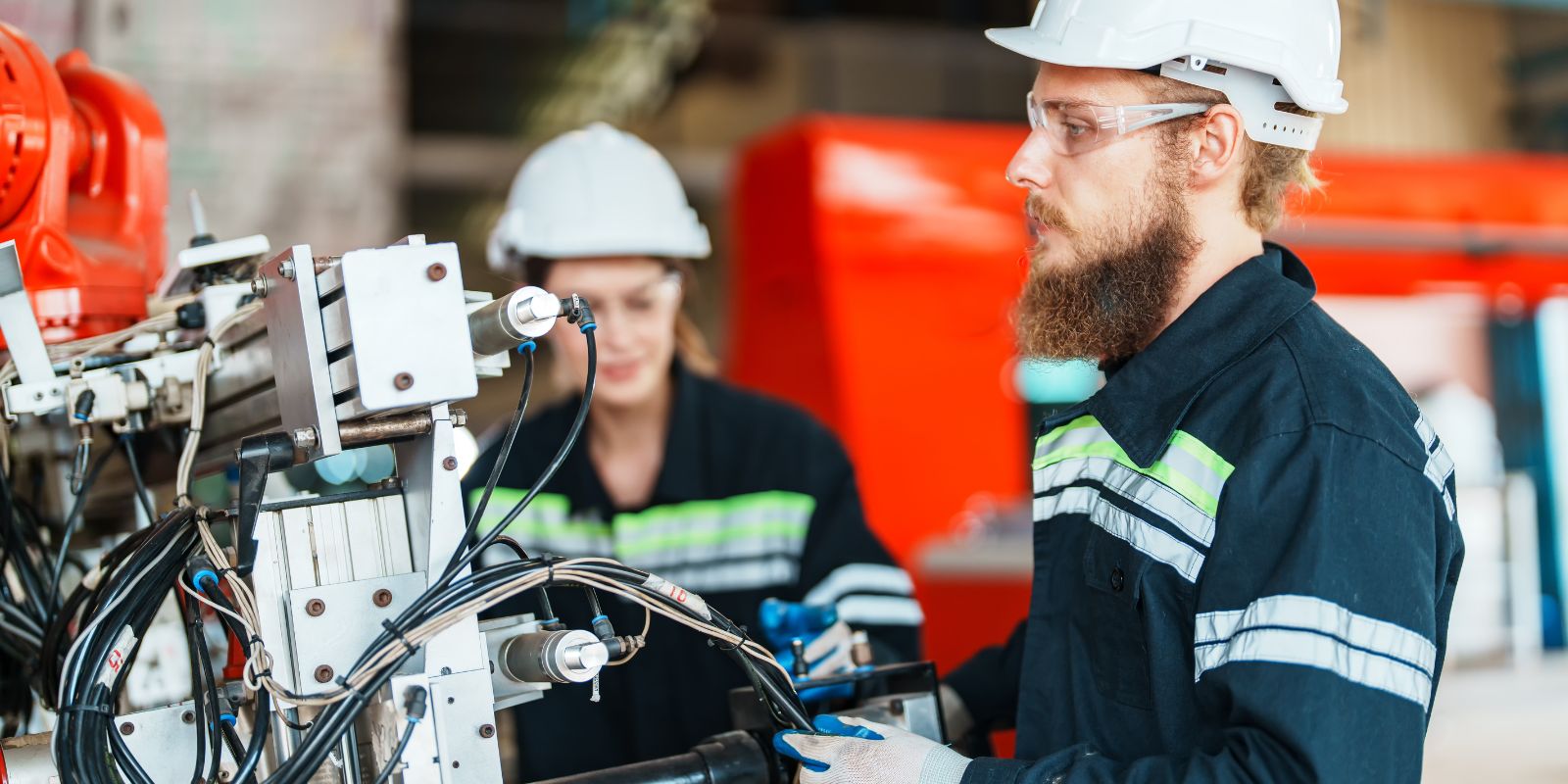
A skilled workforce is more than just a group of employees operating machines. These professionals possess the technical expertise, industry knowledge, problem-solving abilities, and commitment required to keep production running efficiently. From machine operators and maintenance technicians to quality inspectors, supervisors, and production managers, every skilled worker plays a critical role in achieving operational excellence.
Organizations that invest in recruiting, developing, and retaining skilled employees experience better production performance, fewer operational disruptions, higher customer satisfaction, and sustainable business growth. As manufacturing evolves with Industry 4.0 technologies, the demand for qualified workers capable of operating advanced machinery and adapting to new production methods continues to increase.
This article explores how a skilled workforce drives manufacturing success, the benefits it provides, common workforce challenges, and practical strategies for building a high-performing manufacturing team.
Why a Skilled Workforce Is Essential for Manufacturing
Manufacturing operations rely on precision, consistency, and efficiency. Every stage of production—from sourcing raw materials and operating machinery to quality inspection and final packaging—requires employees with the right skills and experience.
A skilled workforce enables manufacturers to:
- Improve production efficiency
- Maintain consistent product quality
- Reduce operational costs
- Minimize machine downtime
- Enhance workplace safety
- Meet customer deadlines
- Increase profitability
- Support long-term business growth
Without experienced employees, even the most advanced production facilities can struggle to achieve optimal performance.
Key Roles in a Skilled Manufacturing Workforce
A successful manufacturing operation depends on professionals working together across different functions.
Machine Operators
Operate production equipment efficiently while maintaining output and product quality.
Maintenance Technicians
Inspect, repair, and maintain machinery to prevent unexpected breakdowns.
Quality Control Inspectors
Ensure finished products meet company specifications and industry standards.
Production Supervisors
Coordinate daily operations, monitor productivity, and manage workforce performance.
Warehouse and Logistics Personnel
Handle inventory, material movement, and timely product dispatch.
Health and Safety Officers
Promote safe working practices and ensure compliance with workplace regulations.
Each role contributes to a smooth, efficient, and productive manufacturing environment.
Benefits of a Skilled Workforce
Increased Productivity
Experienced employees understand production processes and complete tasks efficiently with minimal supervision.
Higher productivity allows businesses to maximize equipment utilization and meet customer demand more effectively.
Superior Product Quality
Skilled workers follow standard operating procedures, monitor production closely, and identify quality issues before products reach customers.
Consistent quality builds customer trust and strengthens brand reputation.
Reduced Operational Costs
An experienced workforce minimizes waste, prevents equipment misuse, and reduces costly production errors.
Lower operating costs improve overall profitability while supporting sustainable business growth.
Better Equipment Performance
Proper machine handling extends equipment life and reduces maintenance expenses.
Skilled operators also identify early warning signs that help prevent major equipment failures.
Improved Workplace Safety
Manufacturing environments involve machinery, chemicals, electrical systems, and heavy materials.
A trained workforce follows safety protocols, reducing workplace accidents and protecting employees.
Faster Problem Solving
Unexpected production challenges require quick decision-making.
Experienced workers diagnose issues faster and implement practical solutions, reducing downtime and maintaining production schedules.
Workforce Challenges Facing Manufacturers
Many manufacturers struggle to build and maintain a skilled workforce.
Skilled Labor Shortages
Finding qualified technicians, welders, machine operators, and maintenance professionals has become increasingly difficult.
Employee Turnover
Frequent resignations disrupt production and increase recruitment costs.
Technology Adoption
Employees require continuous training to operate modern automated equipment.
Aging Workforce
Many experienced manufacturing professionals are approaching retirement, creating knowledge gaps.
Compliance Requirements
Manufacturers must ensure employees understand workplace safety regulations and labor laws.
Addressing these challenges requires proactive workforce planning and ongoing employee development.
Building a Skilled Manufacturing Workforce
Recruit the Right Talent
Effective recruitment begins with identifying candidates who possess both technical expertise and a positive attitude.
Best recruitment practices include:
- Technical skill assessments
- Practical machine operation tests
- Background verification
- Reference checks
- Safety awareness evaluations
Hiring qualified employees from the beginning reduces future operational challenges.
Invest in Employee Training
Continuous learning keeps employees prepared for evolving manufacturing technologies.
Training should include:
- Machine operation
- Automation systems
- Lean manufacturing principles
- Quality management
- Preventive maintenance
- Workplace safety
- Digital production tools
Training improves employee confidence while increasing operational efficiency.
Encourage Cross-Training
Cross-trained employees can perform multiple production tasks, improving workforce flexibility.
Benefits include:
- Reduced staffing shortages
- Improved production continuity
- Greater scheduling flexibility
- Enhanced employee development
- Better teamwork
Cross-training strengthens overall manufacturing resilience.
Foster Employee Engagement
Engaged employees are more productive and committed to organizational success.
Manufacturers can improve engagement through:
- Performance recognition
- Career advancement opportunities
- Fair compensation
- Open communication
- Employee wellness initiatives
- Team-building activities
A motivated workforce contributes directly to manufacturing excellence.
Technology Enhances Workforce Performance
Modern manufacturing combines skilled employees with advanced technology.
Smart Manufacturing
Real-time monitoring improves production efficiency and equipment utilization.
Automation
Automated systems handle repetitive tasks while skilled workers oversee operations and solve complex problems.
Workforce Management Software
Simplifies attendance tracking, shift scheduling, and labor planning.
Data Analytics
Provides valuable insights into productivity, quality, and workforce performance.
Predictive Maintenance
Uses equipment data to prevent breakdowns before they occur.
Technology supports employees while improving operational decision-making.
The Role of Staffing Partners
Many manufacturers partner with staffing agencies to quickly access qualified workers.
Professional staffing providers offer:
- Permanent recruitment
- Temporary staffing
- Contract workforce
- Skilled labor sourcing
- Bulk hiring
- Payroll management
- HR compliance support
- Workforce planning
These services help manufacturers maintain production continuity while reducing recruitment time and administrative workload.
Best Practices for Manufacturing Workforce Success
Organizations that consistently achieve manufacturing excellence follow several workforce best practices.
- Hire candidates based on skills and experience.
- Provide ongoing technical training.
- Maintain strong workplace safety standards.
- Encourage teamwork and collaboration.
- Monitor workforce performance regularly.
- Reward employee achievements.
- Invest in leadership development.
- Utilize workforce management technology.
- Plan future workforce needs proactively.
- Build long-term employee relationships.
These strategies create stable, productive, and efficient manufacturing operations.
Real-World Example
A consumer electronics manufacturer faced increasing production delays due to labor shortages, inconsistent quality, and frequent equipment downtime.
The company partnered with an industrial staffing specialist to recruit skilled machine operators, maintenance technicians, and quality inspectors. It also introduced structured onboarding, regular skills training, and digital workforce management tools.
Within nine months, the manufacturer achieved:
- 22% increase in production output
- 18% reduction in machine downtime
- 25% decrease in product defects
- Improved employee retention
- Better on-time order delivery
- Higher customer satisfaction
This example highlights how investing in a skilled workforce delivers measurable business results.
Future Trends in Manufacturing Workforce Development
The future of manufacturing will continue to depend on skilled professionals working alongside advanced technologies.
Emerging trends include:
- Industry 4.0 adoption
- AI-assisted production planning
- Collaborative robots (Cobots)
- Digital twin technology
- Advanced workforce analytics
- Smart factory operations
- Predictive maintenance systems
- Continuous employee upskilling
- Sustainable manufacturing practices
- Flexible workforce models
Organizations that embrace these trends while investing in employee development will remain competitive in the evolving manufacturing landscape.
Conclusion
Manufacturing success is built on the strength of a skilled workforce. While technology and automation enhance production capabilities, it is knowledgeable, experienced, and motivated employees who ensure machines operate efficiently, quality standards are maintained, and customer expectations are consistently met.
By focusing on strategic recruitment, continuous training, employee engagement, workplace safety, and workforce planning, manufacturers can create teams that drive productivity, innovation, and long-term growth. A skilled workforce not only improves daily operations but also provides the flexibility and resilience needed to adapt to changing market demands.
In an industry where efficiency and quality determine success, investing in people remains one of the smartest decisions a manufacturing business can make. Skilled employees are the foundation of sustainable manufacturing excellence and the key to achieving lasting competitive advantage.