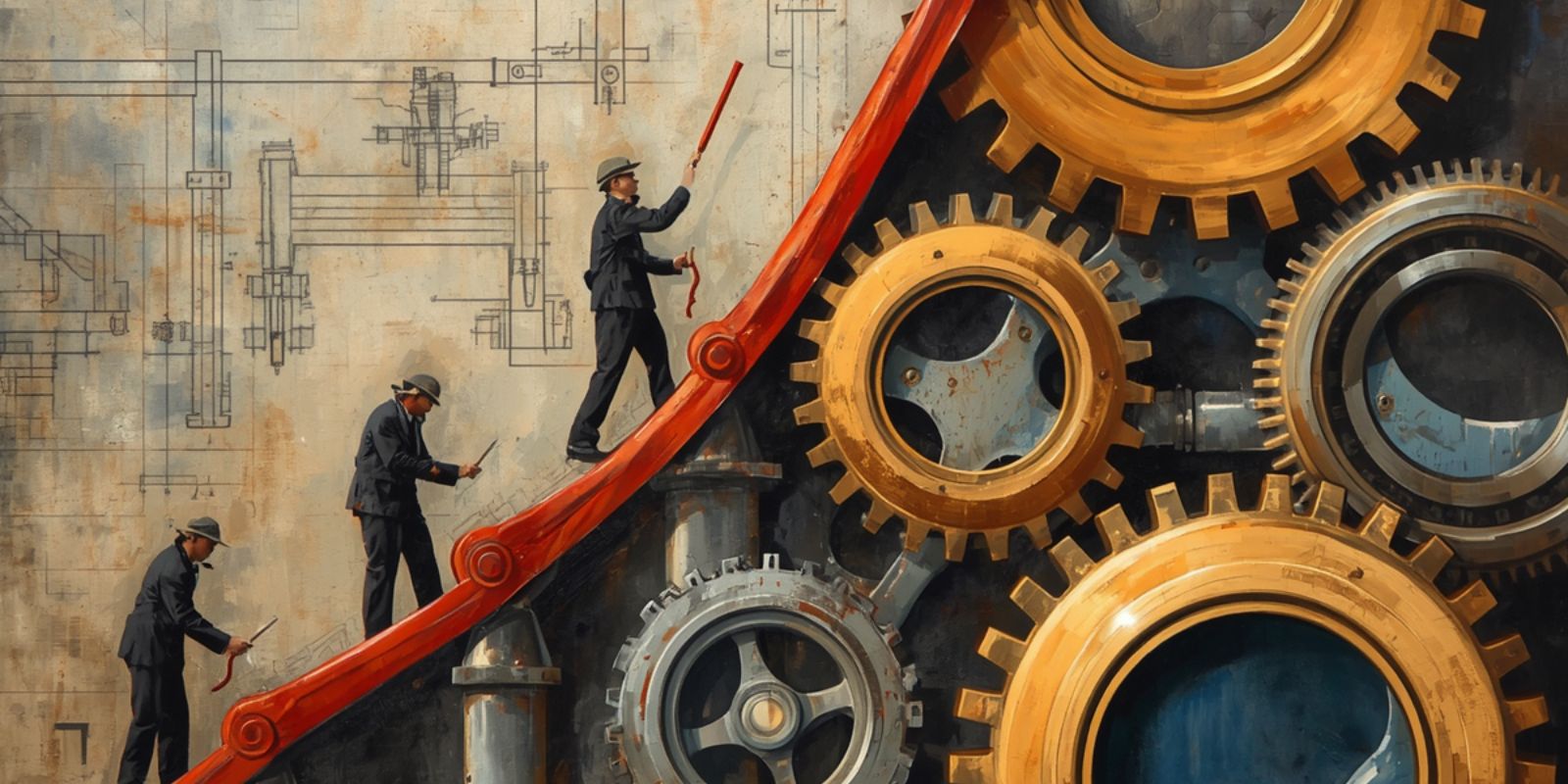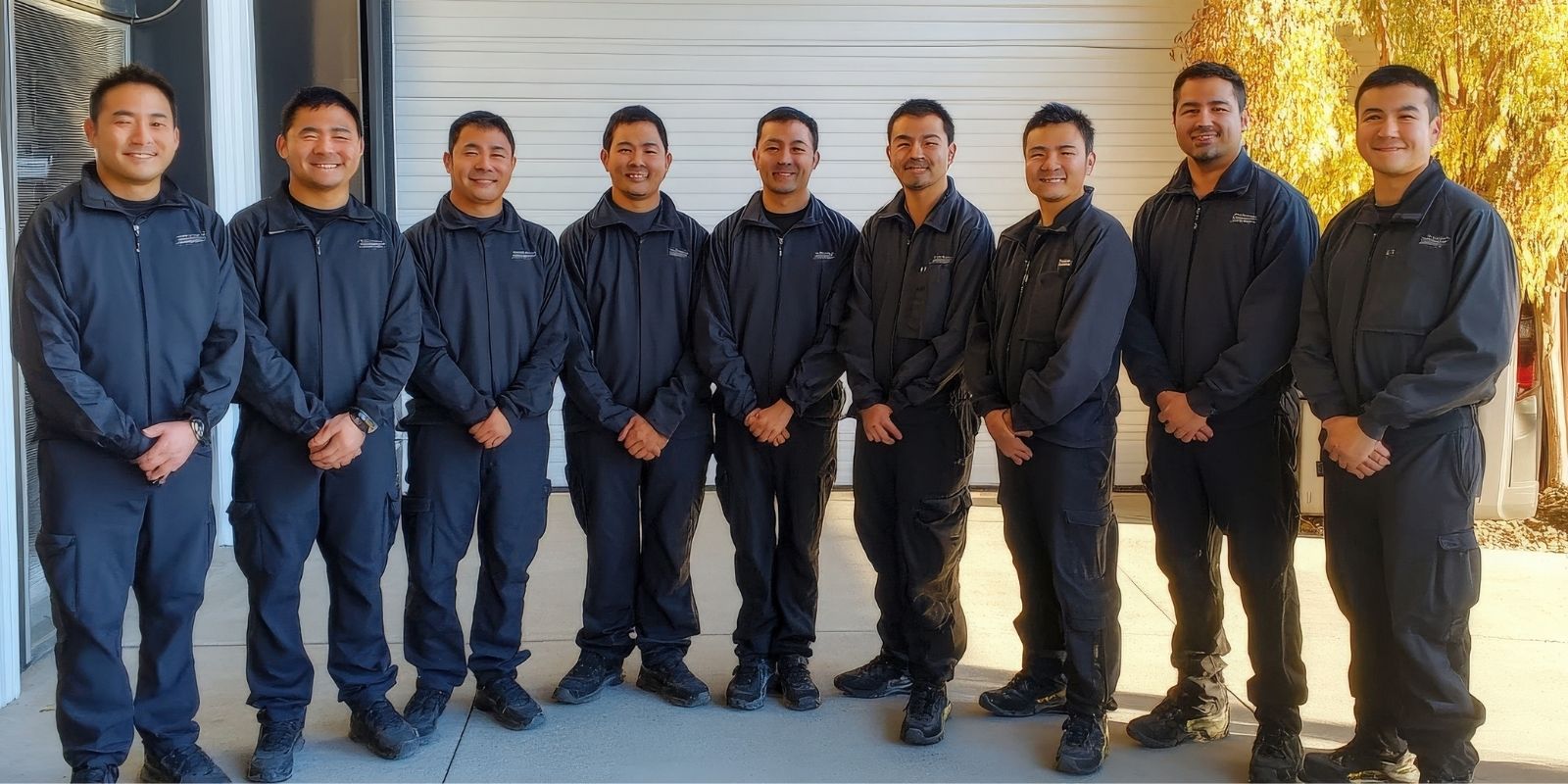
In today’s highly competitive and unpredictable business environment, organizations face constant challenges—from supply chain disruptions and labor shortages to economic fluctuations and technological change. Amid these pressures, one factor consistently proves essential to long-term success: a strong industrial workforce. An industrial workforce supporting business continuity ensures that operations remain stable, productivity stays consistent, and organizations can adapt quickly to change.
Business continuity is not only about contingency plans or advanced technology; it is deeply rooted in people. Skilled, reliable, and well-managed industrial workers form the backbone of manufacturing plants, warehouses, logistics hubs, and production facilities. Their expertise, discipline, and commitment enable businesses to continue operating efficiently even during uncertain times.
Understanding Business Continuity in Industrial Operations
Business continuity refers to an organization’s ability to maintain essential functions during and after unexpected disruptions. In industrial sectors, continuity depends on uninterrupted production, quality control, equipment maintenance, safety compliance, and timely delivery.
An industrial workforce supporting business continuity plays a critical role in these areas. Workers ensure machines run smoothly, production targets are met, and quality standards are upheld. Without a capable workforce, even the most advanced infrastructure cannot deliver consistent results.
Industries such as manufacturing, FMCG, automotive, pharmaceuticals, and logistics rely heavily on human expertise. When workforce planning is weak or skills are lacking, disruptions become more frequent and recovery takes longer.
The Role of Skilled Industrial Workers
A skilled industrial workforce brings technical knowledge, operational discipline, and problem-solving abilities to the workplace. These skills are vital for maintaining continuity during routine operations and emergencies alike.
Trained workers can identify issues early, prevent breakdowns, and implement corrective measures before problems escalate. Their familiarity with machinery, processes, and safety protocols ensures smooth operations even under pressure. This competence reduces downtime, protects assets, and preserves customer trust.
Moreover, experienced industrial workers act as mentors to newer employees, creating a culture of learning and consistency that supports long-term stability.
Workforce Planning as a Continuity Strategy
Effective workforce planning is a cornerstone of business continuity. It involves anticipating labor needs, addressing skill gaps, and ensuring the right number of workers are available at the right time.
An industrial workforce supporting business continuity is built through strategic hiring, cross-training, and succession planning. Cross-trained employees can step into multiple roles when needed, reducing dependency on specific individuals. Succession planning ensures that leadership and technical expertise are preserved even when key employees leave.
Organizations that invest in proactive workforce planning are better prepared to handle demand fluctuations, absenteeism, and operational challenges.
Reducing Operational Risk Through Workforce Stability
High employee turnover is a major threat to business continuity. Frequent workforce changes disrupt production, increase training costs, and raise the risk of errors. A stable industrial workforce minimizes these risks and strengthens operational resilience.
Workforce stability is achieved through fair compensation, safe working conditions, skill development opportunities, and clear career paths. When workers feel valued and secure, they are more likely to stay committed to their roles and perform consistently.
An industrial workforce supporting business continuity also fosters institutional knowledge—an asset that cannot be easily replaced.
Health, Safety, and Compliance
Health and safety are inseparable from business continuity. Industrial environments involve machinery, hazardous materials, and physically demanding tasks. A well-trained workforce that prioritizes safety reduces workplace accidents and ensures compliance with regulations.
Safety-focused industrial workers protect not only themselves but also production schedules and organizational reputation. Fewer incidents mean fewer shutdowns, legal issues, and disruptions.
By embedding safety training into workforce development, companies strengthen continuity while demonstrating responsibility toward employees.
Adapting to Technological Change
Technology is transforming industrial operations through automation, digital monitoring, and smart manufacturing. However, technology alone cannot guarantee continuity. Skilled workers are needed to operate, maintain, and optimize these systems.
An industrial workforce supporting business continuity must be adaptable and open to learning. Continuous upskilling ensures employees can work alongside new technologies rather than be replaced by them. This balance between human expertise and automation enhances efficiency and resilience.
Organizations that invest in workforce training gain flexibility and future-proof their operations.
Managing Crisis and Unexpected Disruptions
During crises—such as supply shortages, equipment failures, or economic downturns—a reliable industrial workforce becomes even more critical. Workers who understand processes deeply can improvise solutions, prioritize essential tasks, and maintain core operations.
Strong leadership combined with a committed workforce allows businesses to respond calmly and effectively to challenges. Clear communication, teamwork, and trust ensure that disruptions are managed with minimal impact.
An industrial workforce supporting business continuity acts as a stabilizing force during uncertain times.
The Strategic Value of Workforce Partnerships
Many organizations collaborate with staffing partners or workforce solution providers to maintain continuity. These partnerships provide access to skilled labor, flexible staffing models, and rapid deployment during peak demand or emergencies.
Such collaborations allow businesses to scale operations without compromising quality or efficiency. Temporary and contract workers, when properly trained and integrated, contribute significantly to workforce resilience.
Strategic workforce partnerships strengthen continuity while controlling costs and reducing risk.
Building a Culture of Reliability and Accountability
Business continuity thrives in organizations where reliability and accountability are part of the culture. Industrial workers who take ownership of their roles contribute to consistent performance and quality outcomes.
Leadership plays a key role in shaping this culture by setting clear expectations, recognizing performance, and encouraging collaboration. When employees understand how their work supports business continuity, they become more engaged and motivated.
A culture of accountability ensures that every worker contributes to operational stability.
Long-Term Benefits of a Strong Industrial Workforce
An industrial workforce supporting business continuity delivers long-term benefits beyond daily operations. These include improved customer satisfaction, stronger brand reputation, and sustained profitability.
Reliable production schedules build trust with clients and partners. Efficient operations reduce waste and costs. A stable workforce enhances innovation by providing a foundation for continuous improvement.
Ultimately, investing in people is one of the most effective strategies for ensuring business continuity in industrial sectors.
Conclusion
Business continuity is not achieved through systems and policies alone—it is powered by people. An industrial workforce supporting business continuity ensures that operations remain resilient, adaptable, and efficient in the face of change.