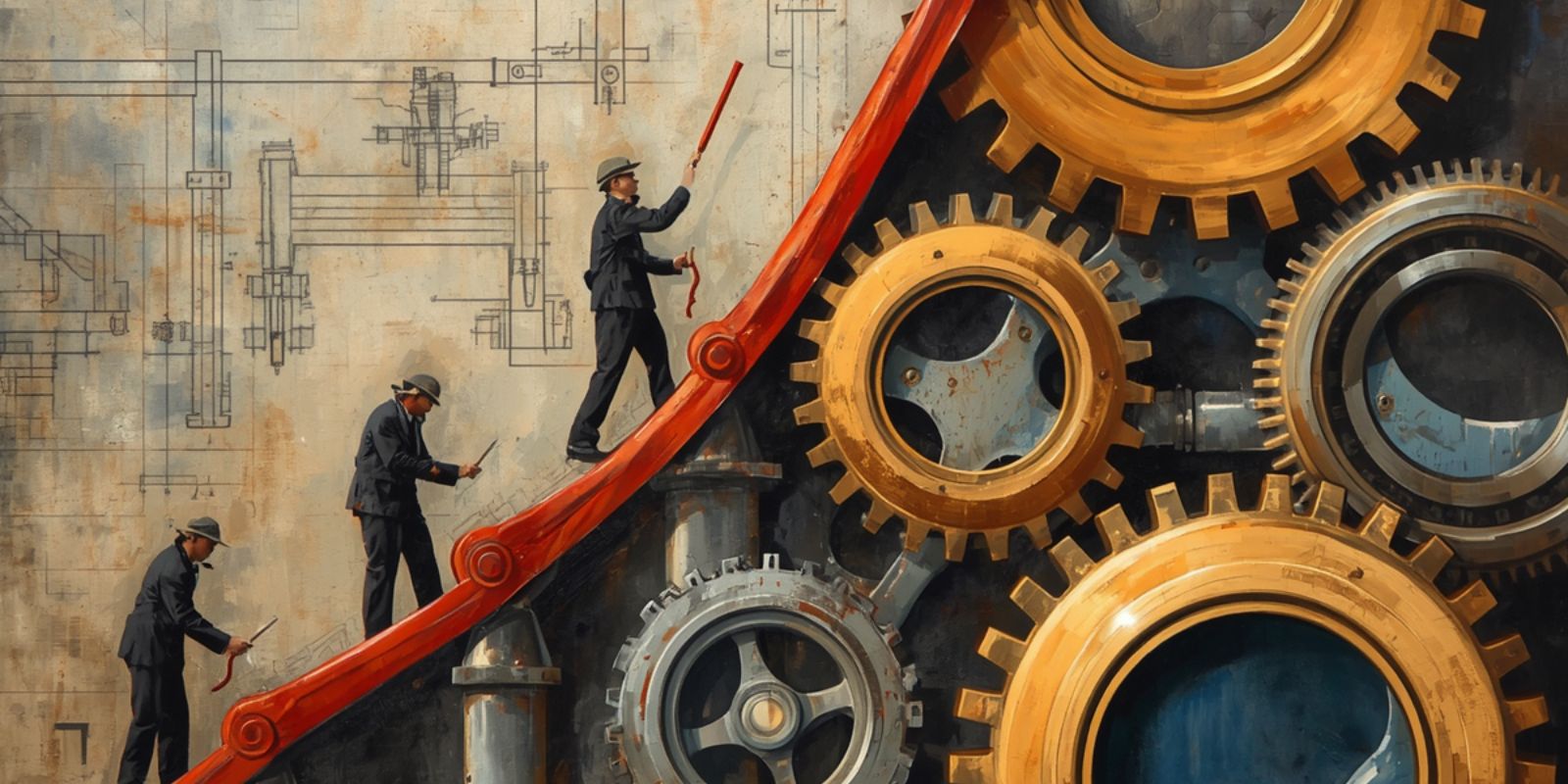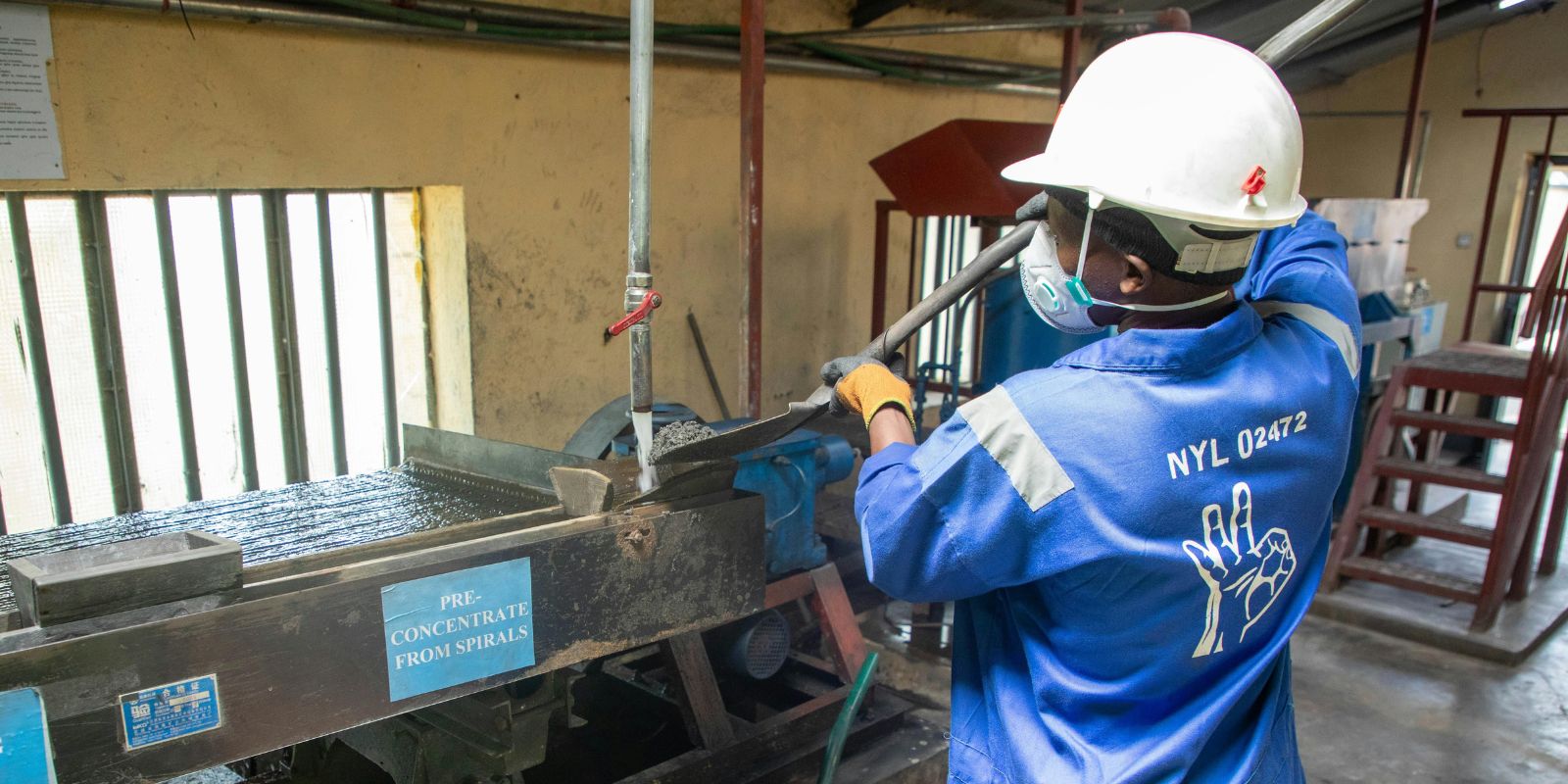
In today’s competitive manufacturing and industrial landscape, production efficiency is no longer driven by machines alone—it depends heavily on having the right people in the right roles at the right time. As industries scale, diversify, and modernize, workforce demands become more complex. This is where industrial staffing solutions for production play a critical role in ensuring uninterrupted operations, consistent output, and long-term growth.
Industrial staffing solutions are designed to meet the dynamic labor needs of production-driven environments such as manufacturing plants, warehouses, processing units, and assembly lines. From managing fluctuating demand to sourcing skilled and semi-skilled labor, these solutions act as a strategic backbone for production success.
Understanding Industrial Staffing in Production Environments
Industrial staffing refers to the recruitment, deployment, and management of workers specifically for industrial and production-based roles. These roles may include machine operators, technicians, quality inspectors, supervisors, maintenance staff, and general laborers.
Production environments often face challenges such as high-volume hiring, shift-based work, seasonal spikes, and strict compliance requirements. Traditional hiring methods struggle to keep up with these demands. Industrial staffing solutions provide structured, scalable, and reliable workforce support tailored to production needs.
Why Production Units Need Specialized Staffing Solutions
Production-driven industries operate under tight schedules and performance benchmarks. Any workforce disruption can directly impact output, quality, and profitability. Industrial staffing solutions help address several critical challenges:
1. Managing Workforce Fluctuations
Production demand often varies due to market trends, seasonal cycles, or large orders. Staffing partners enable businesses to scale their workforce up or down without long-term employment risks.
2. Reducing Hiring Time
Downtime caused by vacant positions can be costly. Industrial staffing agencies maintain ready talent pools, ensuring faster onboarding and minimal production delays.
3. Ensuring Skill Alignment
Production roles require specific technical and operational skills. Staffing solutions focus on matching job requirements with worker capabilities to maintain quality and safety standards.
4. Improving Workforce Stability
High attrition is common in industrial settings. Structured staffing solutions improve retention through better candidate screening, workforce management, and engagement practices.
Key Components of Industrial Staffing Solutions for Production
Effective industrial staffing is more than just filling vacancies. It is a comprehensive workforce strategy that supports production goals.
Temporary and Contract Staffing
Temporary staffing helps production units manage short-term demand spikes, maintenance shutdowns, or special projects without increasing permanent headcount.
Permanent Workforce Hiring
For critical production roles, staffing partners support end-to-end recruitment, from sourcing and screening to onboarding and compliance.
Skilled and Semi-Skilled Labor Supply
Production environments require a balanced mix of skilled technicians and semi-skilled workers. Industrial staffing solutions ensure availability across all levels.
Compliance and Workforce Management
Industrial staffing providers handle statutory compliance, payroll, attendance tracking, and labor regulations, reducing administrative burdens on production managers.
How Industrial Staffing Enhances Production Efficiency
A well-managed workforce directly impacts productivity, quality, and operational efficiency.
Optimized Shift Coverage
Staffing solutions ensure adequate manpower across all shifts, preventing fatigue, absenteeism, and production bottlenecks.
Improved Quality Control
Qualified and trained workers reduce errors, rework, and wastage, leading to higher-quality output.
Reduced Operational Costs
Outsourcing workforce management lowers recruitment expenses, overtime costs, and compliance risks.
Faster Response to Market Changes
With flexible staffing models, production units can quickly adapt to new orders, technology upgrades, or process changes.
Role of Technology in Modern Industrial Staffing
Modern industrial staffing solutions leverage technology to enhance workforce planning and production alignment.
- Data-driven manpower forecasting
- Skill mapping and role matching
- Digital attendance and productivity tracking
- Real-time workforce reporting
These tools help production leaders make informed decisions and proactively manage labor requirements.
Industry Sectors Benefiting from Industrial Staffing Solutions
Industrial staffing solutions support a wide range of production-focused sectors, including:
- Manufacturing and assembly units
- Automotive and auto components
- FMCG and consumer goods production
- Pharmaceuticals and chemicals
- Engineering and heavy industries
- Warehousing and logistics
Each sector has unique production challenges, and tailored staffing solutions ensure operational continuity across industries.
Challenges in Production Staffing and How Solutions Help
High Attrition Rates
Production roles often face workforce churn. Staffing partners improve retention through better screening, workforce engagement, and replacement management.
Skill Gaps
As production processes evolve, skill requirements change. Industrial staffing solutions focus on sourcing adaptable and trainable talent.
Compliance Complexity
Labor laws and safety standards are critical in industrial settings. Staffing providers ensure adherence to all regulatory requirements.
Operational Downtime
Unfilled roles or absenteeism can halt production. Staffing solutions maintain backup workforce availability to prevent disruptions.
Choosing the Right Industrial Staffing Partner
Selecting the right staffing partner is essential for production success. Key factors to consider include:
- Industry experience and domain knowledge
- Availability of skilled and scalable workforce
- Compliance and statutory expertise
- Proven track record in production environments
- Ability to customize staffing models
A reliable partner acts as an extension of your production team rather than just a vendor.
Future of Industrial Staffing in Production
As industries embrace automation, digital manufacturing, and smart factories, the role of industrial staffing is also evolving. The future will focus on:
- Hybrid workforce models combining technology and manpower
- Upskilling and reskilling production workers
- Predictive workforce planning
- Greater emphasis on safety, productivity, and compliance
Industrial staffing solutions will continue to be a strategic enabler for production excellence in a rapidly changing industrial landscape.
Conclusion
Production efficiency depends on more than advanced machinery—it relies on a dependable, skilled, and well-managed workforce. Industrial staffing solutions for production provide businesses with the flexibility, expertise, and workforce stability needed to meet production targets consistently.