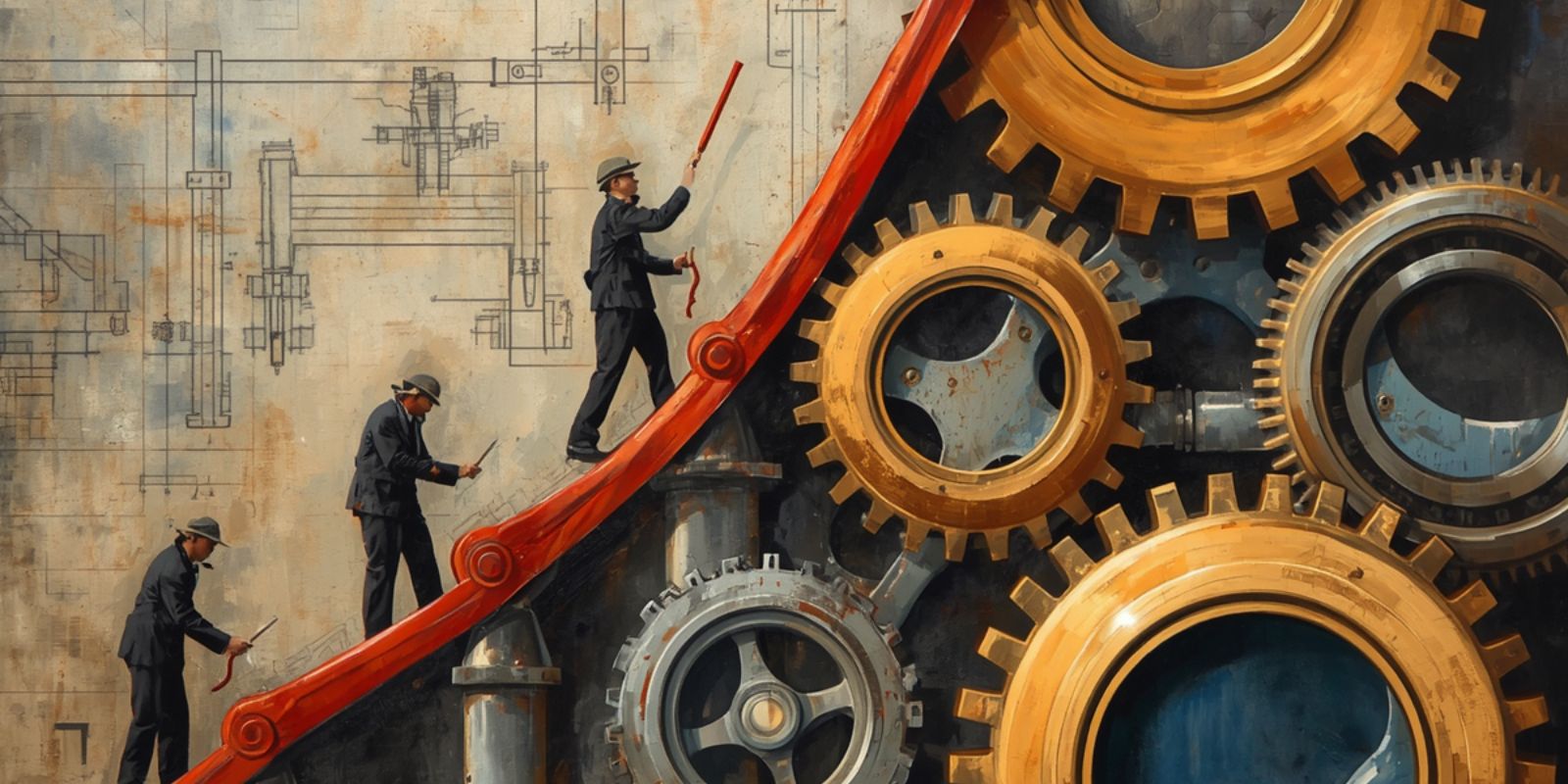
In today’s competitive manufacturing landscape, productivity is no longer driven solely by machines, automation, or advanced technology. While equipment and systems matter, the real catalyst behind sustainable productivity growth lies in factory staffing. The right workforce—skilled, motivated, and strategically deployed—can dramatically improve output, quality, and operational efficiency. Factory staffing for productivity growth is not just about filling positions; it is about building a workforce that aligns with business goals and production demands.
As manufacturers face fluctuating demand, tight labor markets, and increasing quality expectations, effective staffing strategies have become a critical differentiator. Companies that invest in the right people and workforce planning consistently outperform those that focus only on cost-cutting or automation.
The Importance of Factory Staffing in Productivity
Productivity in a factory environment depends on how efficiently labor, equipment, and processes work together. Even the most advanced machinery cannot deliver results if it is operated by undertrained or misaligned workers. Factory staffing directly impacts:
- Production speed and output levels
- Quality control and defect reduction
- Workplace safety and compliance
- Equipment uptime and maintenance
- Employee morale and retention
When staffing is planned with productivity in mind, factories experience smoother operations, reduced downtime, and better utilization of resources. Poor staffing decisions, on the other hand, lead to bottlenecks, rework, absenteeism, and high turnover—each of which negatively affects productivity growth.
Aligning Staffing With Production Goals
One of the most effective ways to drive productivity growth is to align factory staffing with production goals. This requires understanding workload patterns, peak seasons, and skill requirements across different production lines.
Manufacturers must ensure that:
- The right number of workers are available at the right time
- Employees possess the skills required for specific tasks
- Staffing levels match production schedules and order volumes
Strategic workforce planning allows factories to scale up or down without sacrificing efficiency. Flexible staffing models, including contract workers and shift-based staffing, help manufacturers maintain productivity even during demand fluctuations.
Skilled Workforce as a Productivity Multiplier
Skill level is a major determinant of factory productivity. Skilled workers perform tasks faster, make fewer errors, and adapt more easily to new processes or technologies. Investing in skilled factory staffing leads to:
- Higher output per worker
- Improved product quality
- Reduced machine downtime
- Faster problem-solving on the shop floor
Training and upskilling are essential components of factory staffing for productivity growth. When employees understand their roles deeply and are confident in their abilities, productivity increases naturally. Cross-training employees further enhances flexibility, allowing workers to support multiple operations when needed.
Reducing Downtime Through Effective Staffing
Unplanned downtime is one of the biggest productivity killers in manufacturing. Staffing shortages, absenteeism, or improper shift planning can bring entire production lines to a halt. Effective factory staffing minimizes downtime by ensuring:
- Backup resources are available for critical roles
- Maintenance staff are adequately scheduled
- Supervisors are present to address issues quickly
Well-staffed factories are better equipped to handle equipment failures, quality issues, or sudden changes in production requirements. This responsiveness plays a key role in sustaining productivity growth.
Role of Workforce Engagement in Productivity Growth
Productivity is not just a function of skill—it is also influenced by employee engagement. A motivated workforce is more focused, accountable, and committed to achieving production targets. Factory staffing strategies that prioritize engagement contribute to long-term productivity gains.
Key engagement drivers include:
- Fair compensation and incentives
- Clear job roles and expectations
- Safe and supportive working conditions
- Opportunities for growth and recognition
When workers feel valued and supported, absenteeism drops, turnover decreases, and productivity rises. Staffing strategies that consider employee well-being create a stable workforce capable of delivering consistent results.
Quality Improvement Through Proper Staffing
Productivity growth must go hand in hand with quality. High output means little if products fail quality standards. Factory staffing plays a crucial role in maintaining quality by ensuring experienced workers handle critical operations and inspections.
Adequate staffing helps:
- Reduce errors and rework
- Improve adherence to standard operating procedures
- Maintain consistent quality across shifts
Quality-focused staffing ensures that productivity improvements do not come at the expense of customer satisfaction or brand reputation.
Flexible Staffing Models for Modern Factories
Modern manufacturing environments require agility. Flexible staffing models allow factories to respond quickly to changing market conditions without compromising productivity. These models include:
- Temporary or contract staffing for peak periods
- Multi-skilled workers who can shift between tasks
- Shift optimization to maximize equipment utilization
By adopting flexible staffing approaches, manufacturers can control labor costs while maintaining high productivity levels. This adaptability is especially important in industries with seasonal demand or project-based production cycles.
Technology and Data-Driven Staffing Decisions
Digital tools and workforce analytics are transforming factory staffing. Data-driven staffing decisions help manufacturers forecast labor needs, track performance, and identify productivity gaps.
Using workforce data, factories can:
- Optimize shift schedules
- Identify skill shortages
- Improve labor allocation across departments
Technology-enabled staffing ensures that labor resources are used efficiently, directly supporting productivity growth and operational excellence.
Safety, Compliance, and Productivity
Safety and productivity are closely connected. Unsafe working conditions lead to accidents, absenteeism, and downtime—all of which reduce productivity. Proper factory staffing ensures that safety protocols are followed and compliance requirements are met.
Adequate supervision, trained safety personnel, and well-rested workers contribute to a safer environment. A safe factory is a productive factory, where employees can focus on performance without fear of injury or disruption.
Long-Term Benefits of Strategic Factory Staffing
Factory staffing for productivity growth is not a one-time effort; it is a continuous strategy. Companies that consistently invest in workforce planning and development enjoy long-term benefits such as:
- Sustainable productivity improvements
- Lower operational costs
- Stronger workforce loyalty
- Greater resilience to market changes
Over time, strategic staffing becomes a competitive advantage, enabling manufacturers to deliver higher value with greater efficiency.
Conclusion
Factory staffing is a powerful driver of productivity growth in manufacturing. By aligning workforce planning with production goals, investing in skills, adopting flexible staffing models, and focusing on employee engagement, manufacturers can unlock significant productivity gains. In an environment where efficiency and quality define success, the right factory staffing strategy is not optional—it is essential.