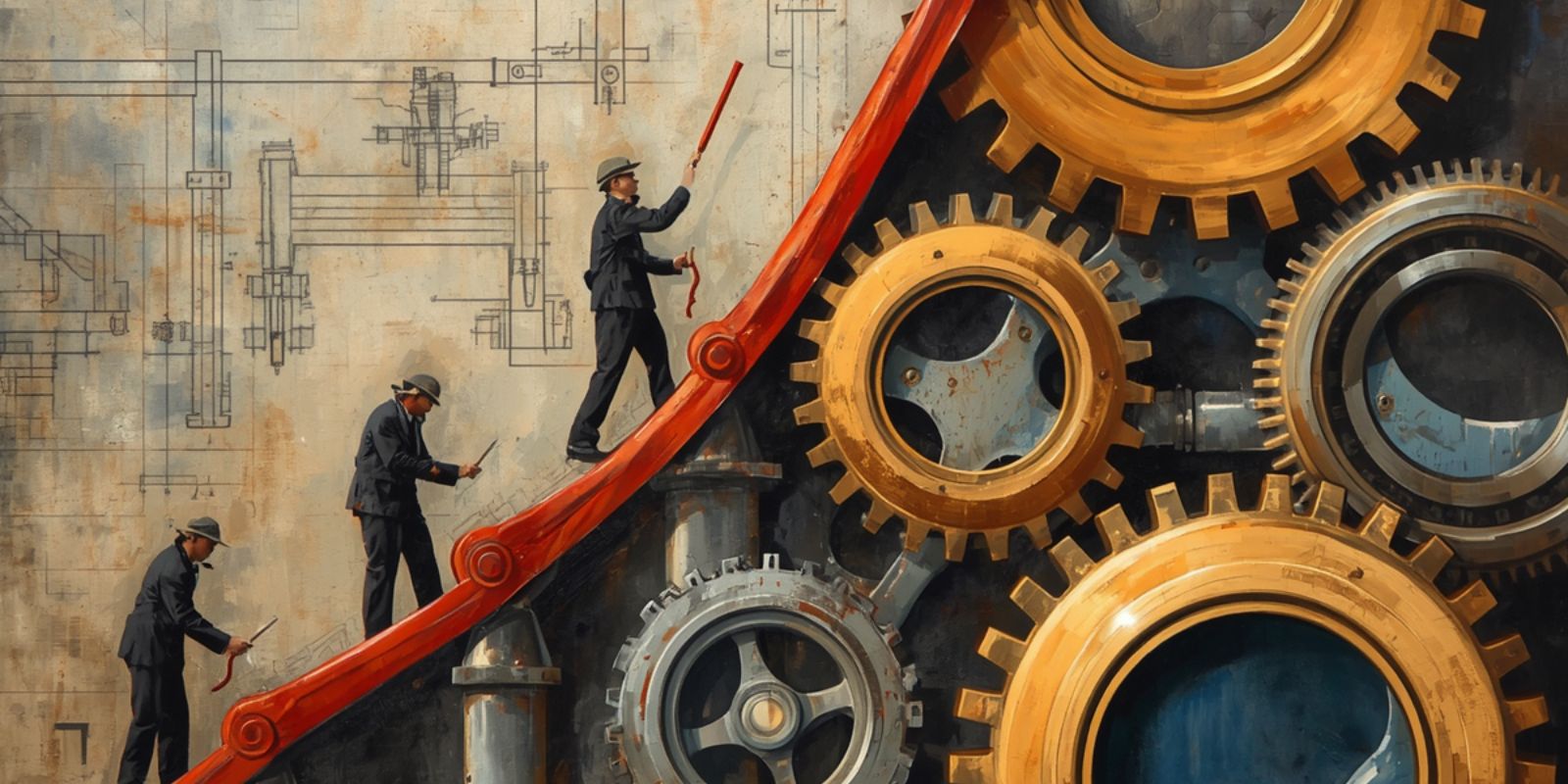
In today’s highly competitive business environment, organizations succeed not only because of innovative ideas or advanced technology but because of the people who bring those ideas to life. A strong, collaborative, and well-structured team is one of the most powerful drivers of business growth and long-term success. Companies that invest in building high-performing teams often outperform competitors in productivity, innovation, and employee satisfaction.
Building teams that drive success requires more than simply hiring talented individuals. It involves strategic planning, clear communication, leadership development, and creating a culture where employees feel valued and motivated. When organizations focus on these elements, they create teams that are aligned with business goals and capable of delivering outstanding results.
This article explores the key strategies organizations can use to build strong teams that contribute to sustainable success.
The Importance of High-Performing Teams
A high-performing team is a group of individuals with complementary skills who work collaboratively toward shared goals. Such teams are characterized by trust, accountability, effective communication, and strong leadership.
When teams function effectively, organizations benefit in several ways:
Improved Productivity:
Team members who understand their roles and collaborate efficiently complete tasks faster and with greater accuracy.
Innovation and Creativity:
Teams that encourage diverse perspectives generate creative solutions and new ideas.
Better Problem-Solving:
Complex challenges are easier to solve when multiple perspectives and expertise come together.
Employee Engagement:
Employees who feel connected to their teams are more motivated and committed to their work.
Ultimately, high-performing teams help organizations achieve strategic objectives and maintain a competitive advantage.
Defining Clear Goals and Vision
One of the most important foundations for building successful teams is establishing clear goals and a shared vision. Team members need to understand how their work contributes to the organization’s broader mission.
Leaders should clearly communicate:
- The organization’s long-term objectives
- Team-specific goals and expectations
- Individual responsibilities within the team
When everyone understands the purpose of their work, they become more focused and motivated. Clear goals also make it easier to track progress and measure performance.
Organizations often use frameworks such as performance metrics, key performance indicators (KPIs), and project milestones to ensure teams remain aligned with business priorities.
Hiring the Right Talent
Building a strong team begins with hiring the right people. While technical skills are important, organizations should also prioritize cultural fit, adaptability, and collaboration skills.
Effective recruitment strategies include:
- Structured interviews that assess both skills and attitude
- Skills-based testing and assessments
- Behavioral interview questions
- Cultural fit evaluations
Hiring individuals who align with the company’s values ensures smoother collaboration and stronger team dynamics.
Additionally, diversity in hiring can significantly strengthen teams. Employees from different backgrounds bring unique perspectives that enhance creativity and innovation.
Encouraging Collaboration and Communication
Successful teams rely heavily on open communication and collaboration. When team members share information, ideas, and feedback freely, they can work more efficiently and avoid misunderstandings.
Organizations can promote collaboration by:
- Encouraging regular team meetings
- Using collaborative tools and platforms
- Creating open communication channels
- Promoting transparency in decision-making
Leaders should also foster a culture where employees feel comfortable expressing opinions and raising concerns. When employees feel heard and respected, trust within the team grows stronger.
Strong Leadership and Team Guidance
Leadership plays a critical role in shaping successful teams. Effective leaders guide their teams, provide support, and ensure everyone remains aligned with organizational goals.
Good leaders:
- Provide clear direction
- Support professional development
- Encourage innovation and initiative
- Resolve conflicts effectively
Leaders should also focus on empowering employees rather than micromanaging them. When team members are trusted to make decisions, they feel more confident and motivated.
Additionally, leadership development programs can help organizations cultivate future leaders from within their teams.
Building Trust Within Teams
Trust is the foundation of every successful team. Without trust, communication breaks down, collaboration suffers, and productivity declines.
Building trust requires consistent effort from both leaders and team members. Organizations can strengthen trust by:
- Encouraging transparency and honesty
- Recognizing employee contributions
- Supporting team members during challenges
- Promoting accountability
When employees trust each other, they are more willing to share ideas, take risks, and support their colleagues.
Trust also improves team morale and reduces workplace conflicts.
Investing in Training and Skill Development
Continuous learning is essential for maintaining high-performing teams. As industries evolve and technologies advance, employees must update their skills to remain effective.
Organizations should invest in:
- Technical training programs
- Leadership development workshops
- Communication and teamwork training
- Industry-specific certifications
Providing opportunities for professional growth benefits both employees and organizations. Skilled employees contribute more effectively to team goals and help companies remain competitive.
Training programs also demonstrate that organizations value their workforce, which improves employee retention.
Recognizing and Rewarding Performance
Recognition plays a significant role in motivating teams. Employees who feel appreciated for their contributions are more likely to remain engaged and committed to their work.
Recognition can take many forms, including:
- Performance bonuses
- Employee appreciation programs
- Public recognition in meetings or company communications
- Career advancement opportunities
Organizations should create systems that reward both individual achievements and team success. Celebrating milestones and accomplishments strengthens team spirit and encourages continued excellence.
Encouraging Accountability and Ownership
High-performing teams thrive when members take ownership of their responsibilities. Accountability ensures that tasks are completed on time and at the expected quality level.
Organizations can promote accountability by:
- Clearly defining roles and expectations
- Establishing measurable performance goals
- Encouraging self-management and responsibility
- Providing constructive feedback
When employees feel responsible for their work and understand how it contributes to the team’s success, they become more proactive and dedicated.
Creating a Positive Team Culture
Workplace culture significantly impacts team performance. A positive team culture encourages collaboration, respect, and mutual support.
Organizations can build a strong culture by:
- Promoting inclusivity and diversity
- Encouraging teamwork and cooperation
- Supporting work-life balance
- Addressing conflicts quickly and fairly
Team-building activities, open discussions, and shared experiences can strengthen relationships between employees.
A supportive culture not only improves productivity but also enhances employee satisfaction and retention.
Leveraging Technology for Team Efficiency
Modern workplaces increasingly rely on technology to support teamwork. Digital tools allow teams to collaborate seamlessly, regardless of location.
Common technologies that enhance teamwork include:
- Project management software
- Communication platforms
- Cloud-based document sharing
- Performance tracking systems
These tools improve transparency, streamline workflows, and ensure that team members stay informed about project progress.
Organizations that integrate technology effectively can significantly improve team coordination and efficiency.
Conclusion
Building teams that drive success requires a strategic approach that combines effective hiring, strong leadership, clear communication, and continuous development. Organizations that invest in their teams create an environment where employees can collaborate, innovate, and perform at their best.
High-performing teams are built on trust, accountability, and shared goals. When employees understand their roles and feel supported by their leaders and colleagues, they become more motivated to contribute to organizational success.
As businesses continue to evolve in a dynamic global market, the ability to build and sustain strong teams will remain a key competitive advantage. Companies that prioritize teamwork, employee development, and positive workplace culture will be better positioned to achieve long-term growth and success.
Ultimately, success is not driven by individuals alone but by teams that work together with purpose, commitment, and a shared vision for the future.