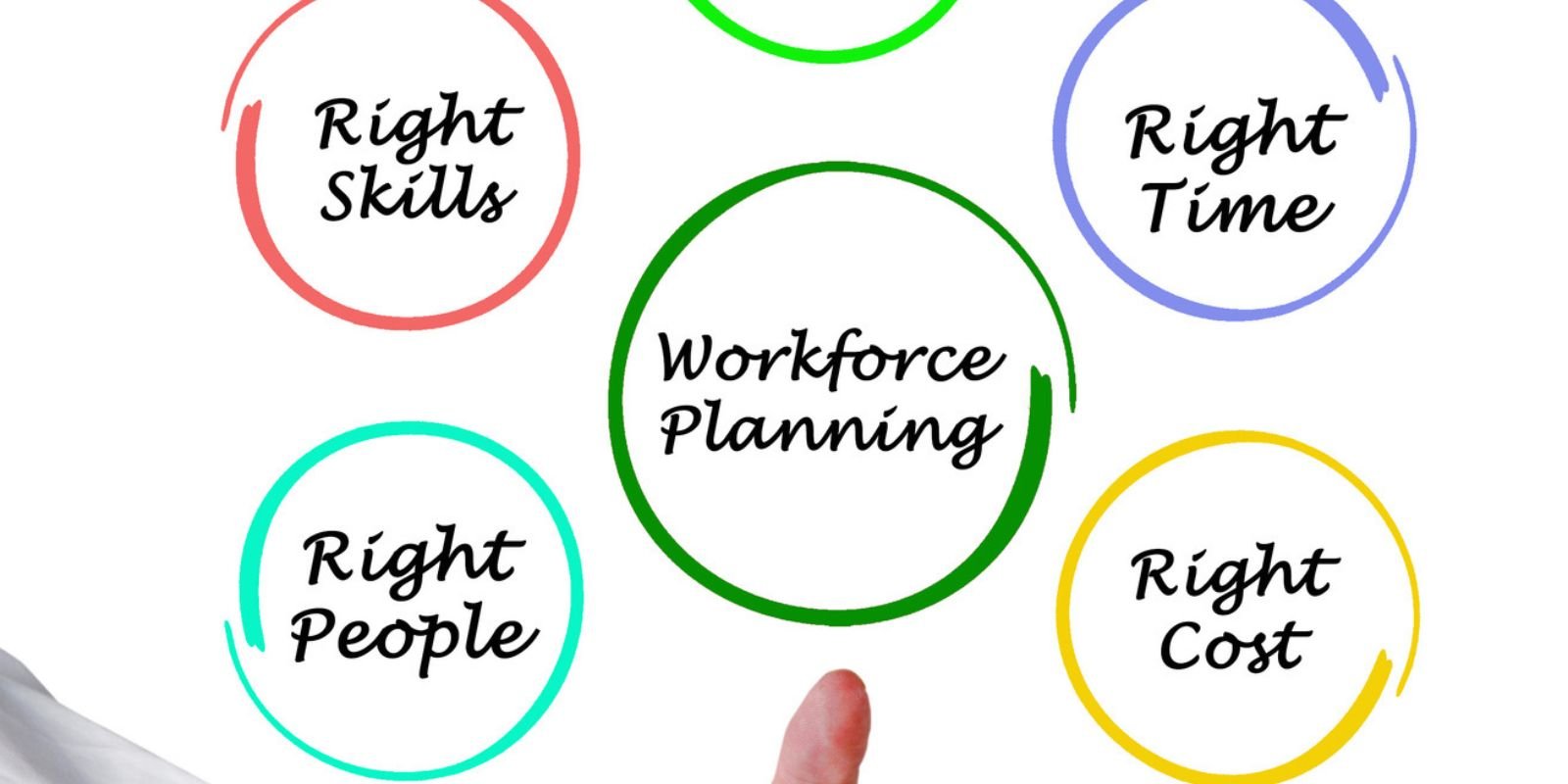
Every successful organization depends on its people. Technology, infrastructure, products, and business strategies are valuable, but businesses still need capable employees to turn plans into results. As markets evolve and workforce requirements become more complex, organizations need to think beyond immediate hiring needs. They need a structured approach to ensuring the right people and skills are available when required.
This is why strategic workforce planning has become an important part of modern workforce management.
Better workforce planning helps businesses understand their current talent capabilities, anticipate future requirements, identify skill gaps, and develop practical strategies for recruitment and employee development. Instead of reacting to workforce shortages after they occur, organizations can prepare in advance.
A well-planned workforce can improve operational stability, productivity, employee development, and business readiness.
What Is Strategic Workforce Planning?
Strategic workforce planning is the process of aligning an organization’s people requirements with its current and future business objectives.
It helps management answer important questions such as:
- How many employees do we currently have?
- What skills are available within the organization?
- Which positions are difficult to fill?
- What skills will the business require in the future?
- Which employees could move into leadership positions?
- Where are the biggest workforce gaps?
- How will expansion affect recruitment?
- Which employees need additional training?
By answering these questions, businesses can develop a clearer workforce strategy instead of depending entirely on reactive recruitment.
Why Better Workforce Planning Matters
Business conditions can change quickly. Customer demand can increase, technology can transform processes, employees can leave, and organizations can expand into new locations.
Without proper planning, these changes may create workforce shortages and operational pressure.
Better planning helps organizations anticipate these situations and prepare suitable workforce solutions.
It allows HR teams, business leaders, and operations managers to work toward shared workforce objectives.
1. Identify Future Workforce Requirements
One of the most important benefits of strategic workforce planning is the ability to anticipate future staffing requirements.
For example, a manufacturing company planning to increase production may need additional machine operators, supervisors, quality professionals, maintenance technicians, and warehouse employees.
Similarly, a retail business opening new stores may require store managers, sales executives, cashiers, inventory employees, and customer service professionals.
Understanding these requirements early gives recruitment teams more time to source and prepare suitable candidates.
2. Identify Skill Gaps Before They Become Problems
Workforce shortages are not always about employee numbers. Sometimes organizations have enough employees but lack specific skills.
Technology, automation, digital tools, and changing customer expectations can create demand for new capabilities.
Strategic workforce planning helps organizations compare existing employee skills with future business requirements.
Once skill gaps are identified, businesses can address them through:
- Employee training
- Upskilling
- Reskilling
- Recruitment
- Internal transfers
- Leadership development
- External staffing support
Taking action early can help businesses prepare employees for changing responsibilities.
3. Improve Recruitment Planning
Recruitment becomes more organized when hiring requirements are known in advance.
Instead of starting recruitment only when a vacancy becomes urgent, businesses can create hiring plans based on projected workforce requirements.
Recruitment planning can include:
- Required positions
- Number of employees
- Hiring locations
- Required experience
- Technical skills
- Salary budgets
- Recruitment timelines
- Candidate sourcing strategies
This creates a more structured hiring process and allows recruiters to build talent pipelines for important roles.
4. Create Stronger Talent Pipelines
A talent pipeline is a group of potential candidates who may be suitable for future vacancies.
Organizations with regular hiring requirements can benefit from developing talent pipelines rather than beginning candidate searches from zero every time.
Businesses can build pipelines through recruitment databases, employee referrals, educational institutions, job portals, staffing partners, professional networks, and previous applicants.
Strong talent pipelines can make recruitment more responsive when workforce demand increases.
5. Improve Employee Deployment
Better workforce planning is not only about recruitment. It is also about using the existing workforce effectively.
Organizations should understand where employees are currently deployed and whether their skills are being used appropriately.
Workforce planning can help managers identify departments with shortages, areas with additional capacity, and employees who may be suitable for different responsibilities.
Better deployment can improve productivity without automatically increasing headcount.
6. Support Employee Development
Organizations can build stronger workforces by investing in existing employees.
Strategic workforce planning helps businesses identify the skills employees need to develop for future roles.
Training programs can focus on areas such as:
- Leadership
- Technical capabilities
- Digital skills
- Communication
- Customer service
- Problem-solving
- Safety
- Compliance
- Management
Employee development creates internal talent while helping workers prepare for changing business requirements.
7. Strengthen Succession Planning
Every organization has positions that are important for business continuity.
When experienced managers or employees leave unexpectedly, organizations may struggle to replace their knowledge and responsibilities.
Succession planning helps businesses identify critical positions and potential employees who could take on those responsibilities in the future.
These employees can then receive mentoring, training, leadership exposure, and additional responsibilities.
Workforce planning therefore helps businesses build a stronger internal leadership pipeline.
8. Improve Workforce Productivity
Productivity depends partly on having appropriate staffing levels.
Too few employees can create excessive workloads, delays, and operational pressure. Too many employees can increase workforce costs without delivering corresponding business value.
Better workforce planning helps organizations align staffing levels with workload and business demand.
Managers can evaluate productivity, employee capacity, workload, overtime, and operational requirements to determine appropriate workforce levels.
9. Manage Workforce Costs More Effectively
Workforce costs can represent a significant part of an organization’s operating expenses.
Strategic workforce planning helps management understand how staffing decisions affect costs.
Businesses can analyze:
- Headcount
- Recruitment expenses
- Overtime
- Employee turnover
- Temporary staffing
- Training investment
- Workforce productivity
- Replacement hiring
This information can help organizations allocate workforce budgets more effectively while maintaining operational requirements.
10. Prepare for Business Expansion
Business expansion creates new workforce requirements.
A company entering a new city, launching a new product, increasing production, or opening another facility needs employees to support that growth.
Strategic workforce planning connects expansion plans with talent requirements.
For example, opening a new warehouse may require managers, supervisors, warehouse associates, inventory employees, drivers, security personnel, and administrative support.
Planning these requirements in advance can reduce workforce-related delays during expansion.
Workforce Planning and Employee Retention
Strong workforce planning can also support retention.
When organizations understand employee capabilities and career aspirations, they can create clearer development opportunities.
Internal promotions, skill development, leadership programs, mentoring, and cross-functional opportunities can help employees see potential career paths within the organization.
Retention also supports workforce stability because businesses can preserve organizational knowledge and reduce repeated replacement hiring.
Using Workforce Data for Better Planning
Modern workforce planning can be strengthened by data.
HR teams can analyze information related to:
- Employee turnover
- Absenteeism
- Recruitment timelines
- Workforce costs
- Productivity
- Skills
- Overtime
- Vacancies
- Employee tenure
- Location-wise staffing
Workforce analytics can help organizations identify patterns that may not be visible through day-to-day management alone.
For example, consistently high overtime in one department may indicate a staffing shortage or workload imbalance.
Technology Supports Strategic Workforce Planning
HR and workforce management technologies can make workforce planning more efficient.
Digital systems can centralize information related to attendance, recruitment, scheduling, employee records, skills, performance, and workforce reporting.
Dashboards can give decision-makers greater visibility into current workforce conditions.
Technology does not replace management decisions, but it can provide better information for making those decisions.
Role of Staffing and RPO Partners
Organizations may not always have sufficient internal recruitment capacity to manage rapid or large-scale workforce requirements.
Staffing and Recruitment Process Outsourcing (RPO) partners can provide additional recruitment support.
Staffing partners may help with temporary staffing, permanent hiring, bulk recruitment, replacement hiring, and multi-location workforce requirements.
RPO providers can support broader recruitment processes, including sourcing, screening, interview coordination, candidate management, and recruitment reporting.
External recruitment support can become particularly valuable during expansion or periods of high hiring demand.
How to Build a Better Workforce Plan
An effective workforce planning process begins with understanding business goals.
First, analyze the current workforce, including headcount, skills, roles, performance requirements, and workforce distribution.
Next, forecast future requirements based on expected growth, operational changes, technology, and market demand.
Compare current capabilities with future needs to identify workforce gaps.
Organizations can then create action plans involving recruitment, training, internal mobility, succession planning, or external staffing support.
Finally, workforce plans should be reviewed regularly. Business conditions change, so workforce strategies need to remain flexible.
Conclusion
Better planning creates stronger workforces because it allows businesses to prepare for workforce requirements instead of simply reacting to them.
Strategic workforce planning helps organizations understand current capabilities, anticipate future talent needs, identify skill gaps, improve recruitment, develop employees, strengthen succession planning, and manage workforce costs.
It also creates a stronger connection between business strategy and people strategy.
Organizations that regularly review their workforce requirements can make more informed decisions about hiring, training, deployment, and employee development.
A strong workforce is rarely created by chance. It develops through careful planning, consistent talent management, effective leadership, and continuous investment in people.
By making strategic workforce planning part of long-term business management, organizations can create teams that are better prepared to support productivity, operational stability, and sustainable business growth.