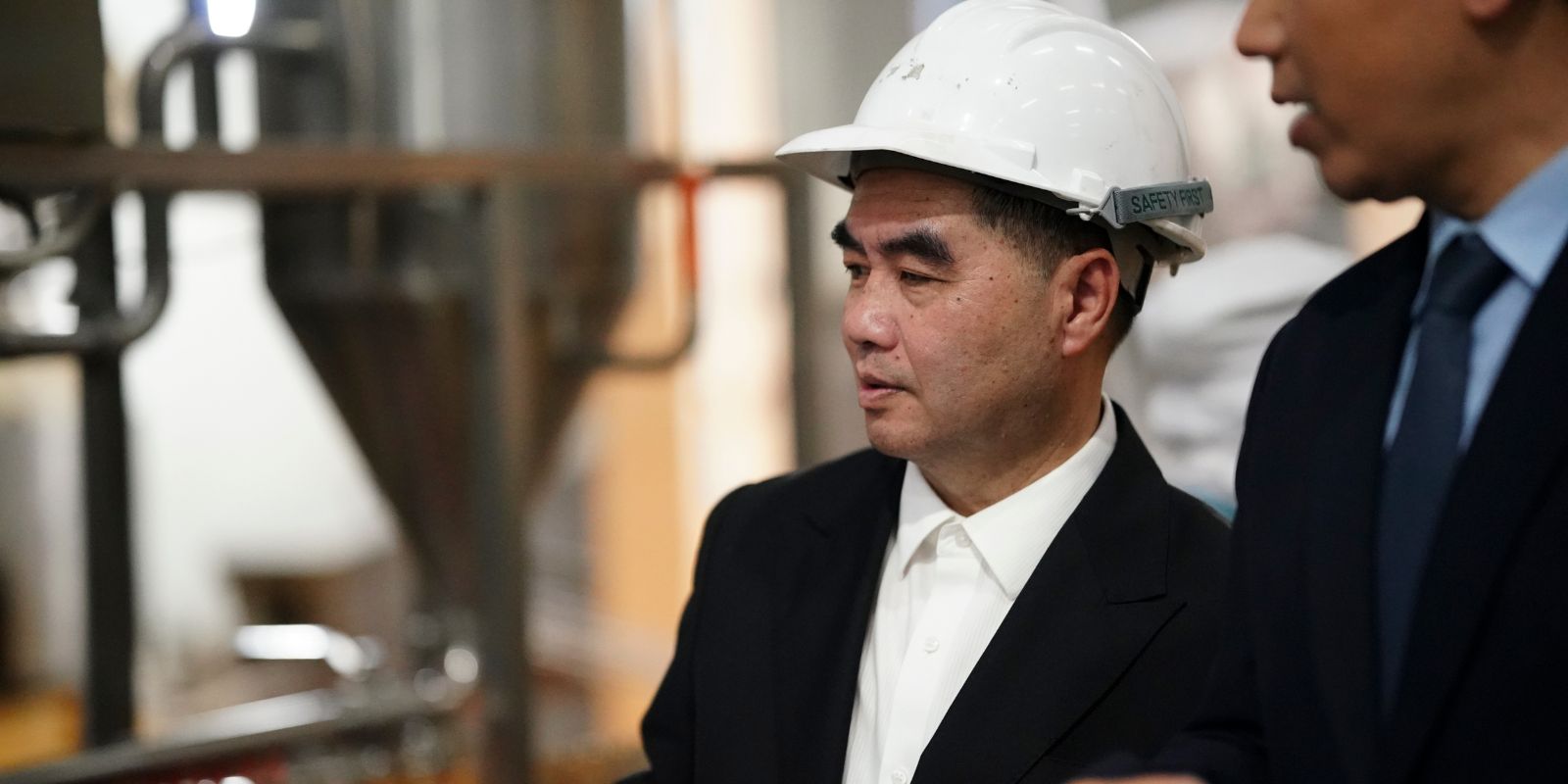
In today’s competitive manufacturing landscape, factories must do more than simply hire workers — they must develop, retain, and future-proof their workforce. With rapid technological shifts driven by automation, digitalization, and global supply chain changes, workforce development has become a strategic priority rather than an HR function.
Effective factory workforce development strategies help businesses improve productivity, reduce attrition, enhance safety standards, and build long-term operational stability. Organizations that invest in structured training and career progression outperform competitors in quality, efficiency, and employee engagement.
This comprehensive guide explores practical and scalable workforce development strategies designed specifically for factory and manufacturing environments.
1. Conduct a Workforce Skills Gap Analysis
Before implementing any development initiative, factories must identify current and future skill requirements. A structured skills gap analysis helps determine:
- Current employee competencies
- Future technology requirements
- Production expansion needs
- Leadership pipeline readiness
For example, factories adopting automation tools from companies like Siemens or robotics systems from ABB must ensure operators are trained in digital interfaces, troubleshooting, and preventive maintenance.
By mapping existing skills against future requirements, HR and operations teams can create targeted training programs rather than generic sessions.
2. Implement Structured Onboarding Programs
Factory roles often experience high turnover due to inadequate onboarding. A structured onboarding process should include:
- Safety orientation and compliance training
- Machine handling demonstrations
- SOP (Standard Operating Procedure) walkthroughs
- Mentor or buddy assignments
- Initial performance checkpoints
Proper onboarding reduces early attrition and improves productivity within the first 90 days. When workers clearly understand expectations and safety protocols, workplace incidents decline significantly.
3. Develop Technical Upskilling Programs
Modern factories increasingly integrate Industry 4.0 technologies such as IoT-enabled equipment, automated production lines, and digital quality control systems.
Technical upskilling programs should include:
- Machine operation certifications
- PLC (Programmable Logic Controller) training
- Maintenance and troubleshooting workshops
- Lean manufacturing methodologies
- Quality control standards
Factories partnering with global manufacturing leaders like Toyota often adopt lean manufacturing practices to improve efficiency and eliminate waste. Training shop-floor employees in lean principles empowers them to identify bottlenecks and suggest process improvements.
Upskilling not only increases efficiency but also enhances employee confidence and retention.
4. Cross-Training for Workforce Flexibility
Production delays often occur when a specific operator is absent. Cross-training employees across multiple stations creates operational flexibility and reduces downtime.
Benefits of cross-training include:
- Reduced dependency on single-role workers
- Better shift management
- Improved team collaboration
- Higher engagement levels
Cross-trained employees feel more valued because they develop broader skill sets, which increases retention rates in competitive labor markets.
5. Create Clear Career Progression Pathways
Factory employees are more likely to stay when they see long-term growth opportunities. Establish transparent career ladders such as:
Helper → Machine Operator → Senior Operator → Supervisor → Production Manager
Provide leadership training for high-performing workers to prepare them for supervisory roles. Many global manufacturing giants such as Tata Motors promote internal talent development programs to nurture shop-floor employees into leadership roles.
When employees see real growth possibilities, attrition drops significantly.
6. Invest in Safety and Compliance Training
Workplace safety is foundational to workforce development. Continuous safety training:
- Reduces accidents and downtime
- Builds trust among employees
- Ensures regulatory compliance
- Lowers insurance and legal risks
Factories must conduct regular mock drills, equipment safety refreshers, and compliance sessions aligned with local labor regulations.
A safe workplace builds morale and strengthens organizational culture.
7. Leverage Digital Learning Platforms
Digital learning platforms allow factories to provide:
- Micro-learning modules
- On-demand video training
- Mobile-accessible certifications
- Real-time progress tracking
Blended learning approaches (online + hands-on training) are particularly effective in factory settings. Digital tools also help track training ROI and identify employees ready for promotion.
Factories implementing ERP systems from companies like SAP often integrate learning management modules to monitor workforce development metrics.
8. Partner with Skill Development Institutes
Collaboration with vocational institutes and industrial training centers ensures a steady pipeline of skilled workers. Strategic partnerships can include:
- Apprenticeship programs
- On-site training labs
- Sponsored certification courses
- Campus recruitment drives
Factories can also work with government-backed skill development initiatives to access trained candidates at scale.
This proactive sourcing strategy reduces recruitment pressure and ensures job-ready talent availability.
9. Encourage Employee Engagement and Feedback
Workforce development is not only about technical training but also about engagement. Engaged factory employees:
- Suggest productivity improvements
- Follow safety norms diligently
- Demonstrate higher loyalty
Regular feedback sessions, suggestion schemes, and recognition programs motivate workers to contribute beyond basic responsibilities.
Recognition programs — such as “Operator of the Month” or performance bonuses — foster healthy competition and productivity.
10. Build a Data-Driven Workforce Strategy
Factories should track key workforce metrics such as:
- Training hours per employee
- Productivity per shift
- Attrition rates
- Internal promotion ratios
- Safety incident frequency
Data-driven decisions allow management to refine training programs and align development efforts with production goals.
When workforce development is measured and optimized, ROI becomes clearly visible.
11. Develop Soft Skills and Supervisory Training
Many factories promote technically strong workers into supervisory roles without leadership training. This often leads to communication breakdowns and team conflicts.
Soft skill development should include:
- Communication skills
- Conflict management
- Time management
- Team leadership
- Problem-solving techniques
Supervisors who understand people management create a positive shop-floor culture and reduce labor disputes.
12. Focus on Retention Through Welfare Programs
Competitive wages alone are not enough. Workforce retention improves when factories provide:
- Health benefits
- Attendance bonuses
- Transportation support
- Meal subsidies
- Performance incentives
Employee welfare initiatives create long-term loyalty and reduce hiring costs.
13. Prepare for Automation and Future Technologies
Automation will continue reshaping manufacturing jobs. Rather than fearing automation, factories should prepare employees for:
- Robotics maintenance
- AI-based quality inspection systems
- Predictive maintenance analytics
- Smart production dashboards
Reskilling initiatives ensure that workers transition into higher-value roles rather than becoming obsolete.
Forward-thinking organizations treat workforce development as a long-term investment, not an expense.
Conclusion
Factory workforce development is no longer optional — it is essential for sustainable growth. A well-structured strategy integrates technical training, leadership development, safety compliance, engagement initiatives, and data-driven performance management.
Factories that invest in their people achieve:
- Higher productivity
- Lower attrition
- Improved safety
- Stronger operational stability
- Long-term competitive advantage
By building a skilled, adaptable, and motivated workforce, manufacturing businesses can confidently navigate industry disruptions and scale operations efficiently.