
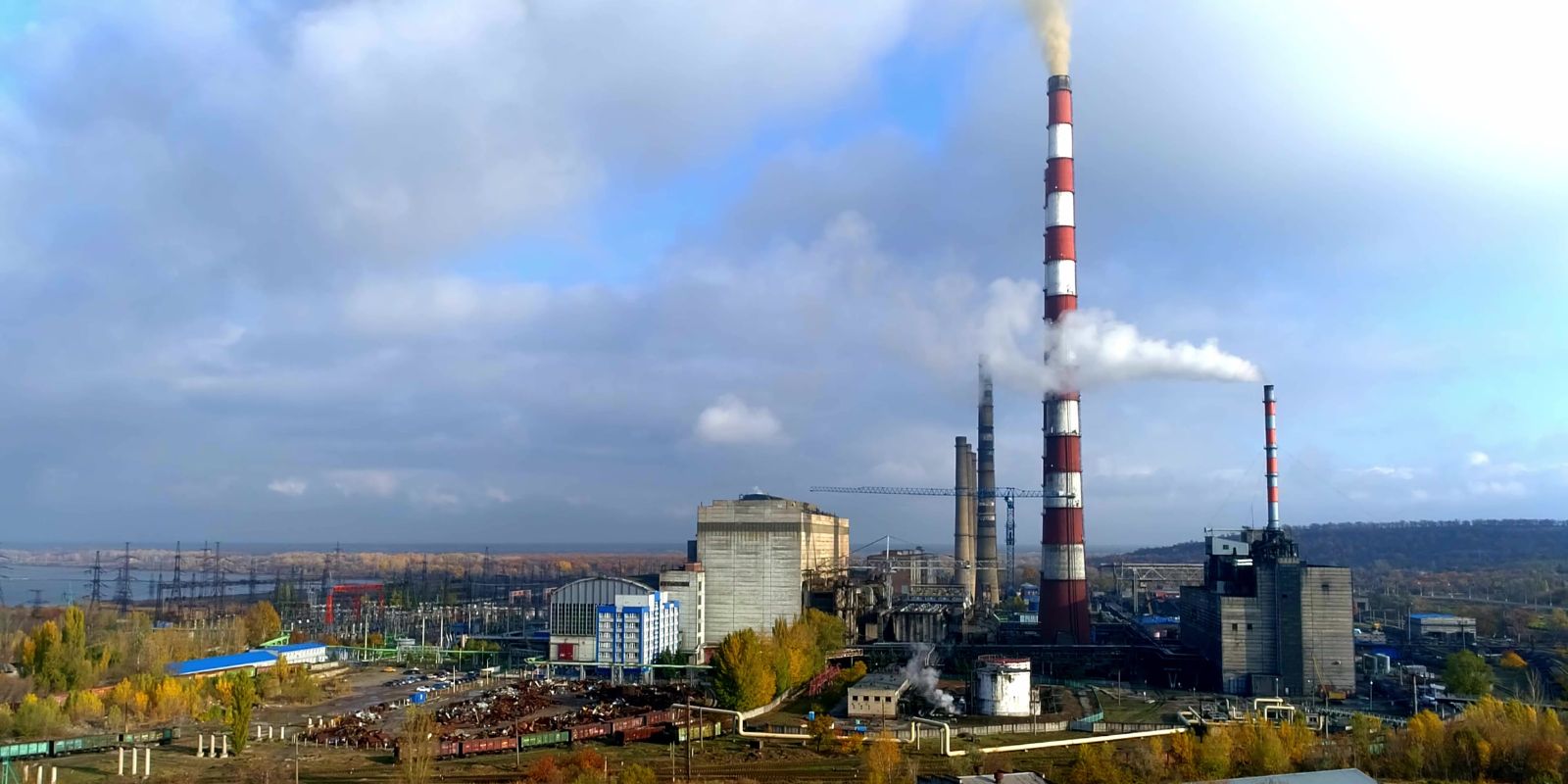
In today’s competitive global economy, manufacturing stands as the backbone of industrial progress. From automobiles and electronics to food processing and pharmaceuticals, manufacturing drives innovation, exports, and employment. At the center of this vast ecosystem lies one powerful force—the industrial workforce. Skilled, adaptable, and resilient workers are the engine that transforms raw materials into finished goods and fuels sustainable business growth.
As technology evolves and markets expand, the role of the industrial workforce has become more critical than ever. Companies that invest in people, training, and workforce planning gain a competitive advantage. This article explores how the industrial workforce powers manufacturing growth, the challenges they face, and how businesses can build a future-ready workforce.
The Strategic Importance of the Industrial Workforce
Manufacturing is not just about machines and factories—it is about people who operate, manage, and improve them. The industrial workforce includes machine operators, technicians, engineers, supervisors, quality controllers, maintenance teams, logistics staff, and plant managers. Together, they ensure smooth production, product quality, safety, and efficiency.
A well-trained workforce increases:
- Production efficiency
- Product quality
- Operational safety
- Innovation and process improvement
- Customer satisfaction
In contrast, skill shortages, high turnover, and low engagement can slow production, increase errors, and reduce profitability.
How Workforce Strength Drives Manufacturing Growth
1. Increased Productivity
Skilled workers understand processes, machinery, and quality standards. They complete tasks faster, minimize waste, and reduce downtime. When employees know how to optimize machines and workflows, output rises without increasing costs.
2. Quality Improvement
Consistent product quality is essential for brand trust. A trained workforce follows standard procedures, detects defects early, and ensures compliance with safety and quality standards. This reduces rework, returns, and customer complaints.
3. Faster Innovation
Workers on the production floor often identify improvement opportunities before management does. Their hands-on experience leads to process innovations, cost-saving ideas, and better designs that keep manufacturers competitive.
4. Operational Stability
A reliable workforce reduces production disruptions. With the right staffing levels, cross-trained teams, and skilled technicians, factories can adapt to demand fluctuations and avoid delays.
The Impact of Automation on the Workforce
Automation and digital technologies are transforming manufacturing. Robotics, AI, IoT, and smart factories are increasing speed and precision. However, this does not reduce the importance of the workforce—it changes their role.
Today’s industrial workers must:
- Operate advanced machines
- Interpret digital data
- Perform preventive maintenance
- Collaborate with automation systems
This shift demands upskilling and reskilling. Companies that invest in training ensure their workforce can work alongside technology rather than be replaced by it.
Workforce Challenges in Manufacturing
Despite its importance, the manufacturing sector faces several workforce challenges:
1. Skill Gaps
Many workers lack technical and digital skills needed for modern manufacturing.
2. High Turnover
Long shifts, physical demands, and limited growth opportunities can lead to employee attrition.
3. Aging Workforce
In many regions, experienced workers are nearing retirement, creating knowledge gaps.
4. Safety Risks
Manufacturing environments can be hazardous without proper training and safety protocols.
5. Demand Fluctuations
Seasonal or market-driven demand changes require flexible staffing models.
Building a Strong Industrial Workforce
To power manufacturing growth, companies must focus on long-term workforce strategies:
1. Strategic Hiring
Recruit employees with both technical skills and growth potential. Partner with staffing agencies, training institutes, and vocational schools to find qualified talent.
2. Continuous Training
Offer regular skill development programs, safety training, and leadership development. Cross-training employees also improves flexibility.
3. Employee Engagement
Motivated workers perform better. Recognize achievements, provide growth paths, and maintain open communication to improve retention.
4. Safe Work Environment
Invest in safety equipment, training, and compliance programs to protect workers and reduce accidents.
5. Performance Monitoring
Use data to track productivity, efficiency, and quality. This helps identify training needs and improve operations.
The Role of Workforce Solutions Providers
Many manufacturers partner with workforce solutions companies to manage hiring, training, compliance, and payroll. These partners provide:
- Temporary and permanent staffing
- Skilled industrial labor
- Compliance and workforce management
- Flexibility to scale up or down
Outsourcing workforce management allows manufacturers to focus on core operations while ensuring they have the right talent at the right time.
Future of the Industrial Workforce
The future of manufacturing depends on a smart, skilled, and agile workforce. As technology advances, workers will become problem-solvers, analysts, and process innovators. Companies that prioritize people development alongside automation will lead the next wave of manufacturing growth.
Conclusion
The industrial workforce is not just a support system—it is the foundation of manufacturing success. From productivity and quality to innovation and stability, skilled workers drive every stage of the manufacturing process. By investing in training, safety, engagement, and strategic staffing, manufacturers can unlock sustainable growth and stay competitive in an evolving global market.


