
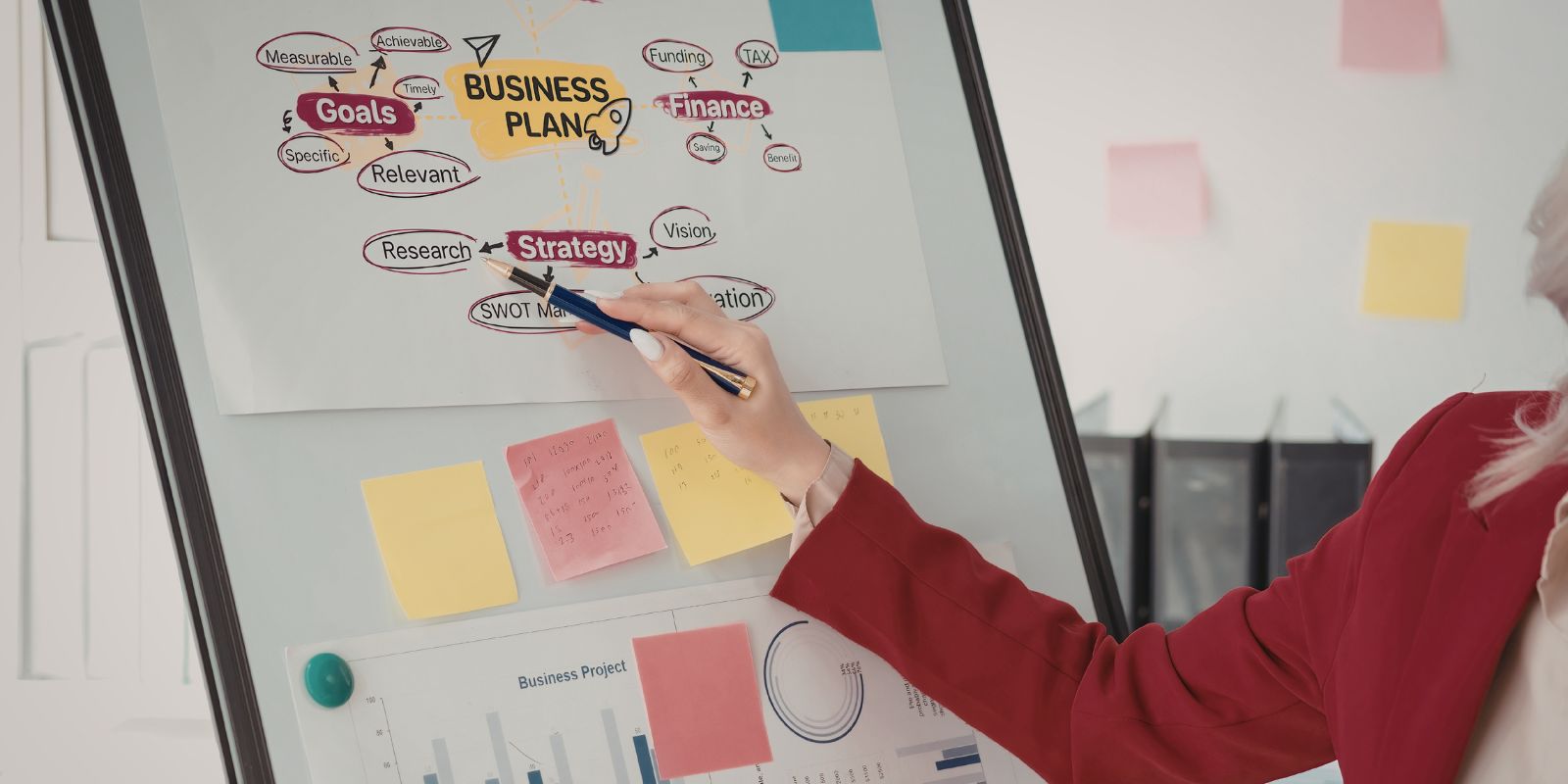
Workforce planning has entered a transformative era. Rapid technological advancements, shifting employee expectations, global talent shortages, and evolving business models are forcing organizations to rethink how they plan, deploy, and develop their workforce. Traditional workforce planning—largely reactive and headcount-driven—is no longer sufficient. Instead, businesses must adopt next-generation workforce planning strategies that are data-driven, agile, and future-focused.
In this article, we explore how modern organizations can design workforce planning strategies that not only meet today’s operational needs but also prepare for tomorrow’s uncertainties.
The Evolution of Workforce Planning
Historically, workforce planning focused on forecasting headcount based on historical data and projected growth. While effective in stable environments, this approach struggles in today’s volatile markets. The rise of digital transformation, automation, and remote work has redefined how, where, and when work is done.
Next-generation workforce planning shifts the focus from roles to skills, from static plans to dynamic models, and from internal assumptions to external labor intelligence. It integrates technology, analytics, and strategic foresight to create a more resilient workforce framework.
From Job Roles to Skills-Based Planning
One of the most significant changes in workforce planning is the move toward skills-based models. Job titles are becoming less relevant as roles evolve faster than job descriptions can be updated. Instead of planning for fixed roles, organizations now plan for skills and capabilities.
By mapping current skills, identifying future skill requirements, and understanding skill adjacencies, businesses can redeploy talent more effectively. This approach enables internal mobility, reduces dependency on external hiring, and helps close critical skill gaps faster.
Leveraging Workforce Analytics and AI
Data and analytics sit at the heart of next-generation workforce planning. Advanced workforce analytics provide insights into attrition trends, productivity patterns, hiring effectiveness, and workforce costs. When combined with artificial intelligence, these insights become predictive rather than descriptive.
AI-powered tools can forecast future talent needs, simulate workforce scenarios, and identify risks such as skill shortages or succession gaps. For example, predictive models can alert HR leaders to roles likely to face high attrition or automation impact, enabling proactive planning.
Scenario-Based Workforce Planning
Uncertainty is the new normal. Economic shifts, regulatory changes, and technological disruptions can rapidly alter workforce requirements. Next-generation workforce planning embraces scenario-based planning to address this uncertainty.
Instead of relying on a single forecast, organizations create multiple workforce scenarios—optimistic, conservative, and disruptive. Each scenario outlines different talent requirements, cost implications, and operational impacts. This approach allows leadership teams to respond quickly when conditions change, without starting planning from scratch.
Integrating Flexible Workforce Models
The modern workforce is no longer limited to permanent employees. Gig workers, contractors, outsourced teams, and project-based hires are now integral to business operations. Next-generation workforce planning incorporates these flexible workforce models as part of a unified strategy.
By strategically blending full-time employees with contingent talent, organizations can scale up or down efficiently, access niche expertise, and control costs. Workforce planners must evaluate which roles require long-term stability and which can be fulfilled through flexible arrangements.
Aligning Workforce Planning with Business Strategy
Effective workforce planning cannot exist in isolation. It must be tightly aligned with overall business strategy. Whether an organization is pursuing market expansion, digital transformation, or operational efficiency, workforce planning should directly support these goals.
This alignment requires close collaboration between HR, business leaders, finance, and operations. Workforce plans should translate strategic objectives into talent requirements, ensuring the right capabilities are available at the right time and in the right locations.
Embracing Technology-Enabled Planning Tools
Technology plays a critical role in next-generation workforce planning. Integrated workforce planning platforms consolidate data from HR systems, financial planning tools, and external labor market sources. This creates a single source of truth for workforce decisions.
Cloud-based platforms also enable real-time updates, collaborative planning, and advanced reporting. As organizations grow more complex and distributed, these tools become essential for maintaining visibility and control over workforce dynamics.
Preparing for the Future of Work
Next-generation workforce planning is inherently future-oriented. It considers the impact of automation, artificial intelligence, and digital tools on job design and workforce composition. Rather than reacting to these changes, forward-thinking organizations plan for them.
This includes reskilling and upskilling initiatives, succession planning for critical roles, and redefining career paths. By investing in continuous learning and adaptability, businesses can future-proof their workforce while improving employee engagement and retention.
Building Workforce Resilience
Resilience has become a key objective of workforce planning. A resilient workforce can adapt to change, absorb shocks, and continue delivering value under pressure. Next-generation strategies emphasize cross-functional skills, leadership depth, and workforce diversity.
Organizations that prioritize resilience are better equipped to handle disruptions such as sudden demand shifts, talent shortages, or technological change. Workforce planning becomes not just a forecasting exercise, but a strategic lever for long-term sustainability.
Measuring Success and Continuous Improvement
Finally, next-generation workforce planning is an ongoing process rather than a one-time initiative. Success is measured through key metrics such as time-to-fill, internal mobility rates, workforce productivity, skill coverage, and cost efficiency.
Regular reviews and feedback loops ensure plans remain relevant as business conditions evolve. By continuously refining assumptions and models, organizations can keep their workforce strategies aligned with real-world outcomes.
Conclusion
Next-generation workforce planning strategies represent a fundamental shift in how organizations think about talent. By embracing skills-based planning, advanced analytics, flexible workforce models, and strategic alignment, businesses can move from reactive staffing to proactive workforce design.


