
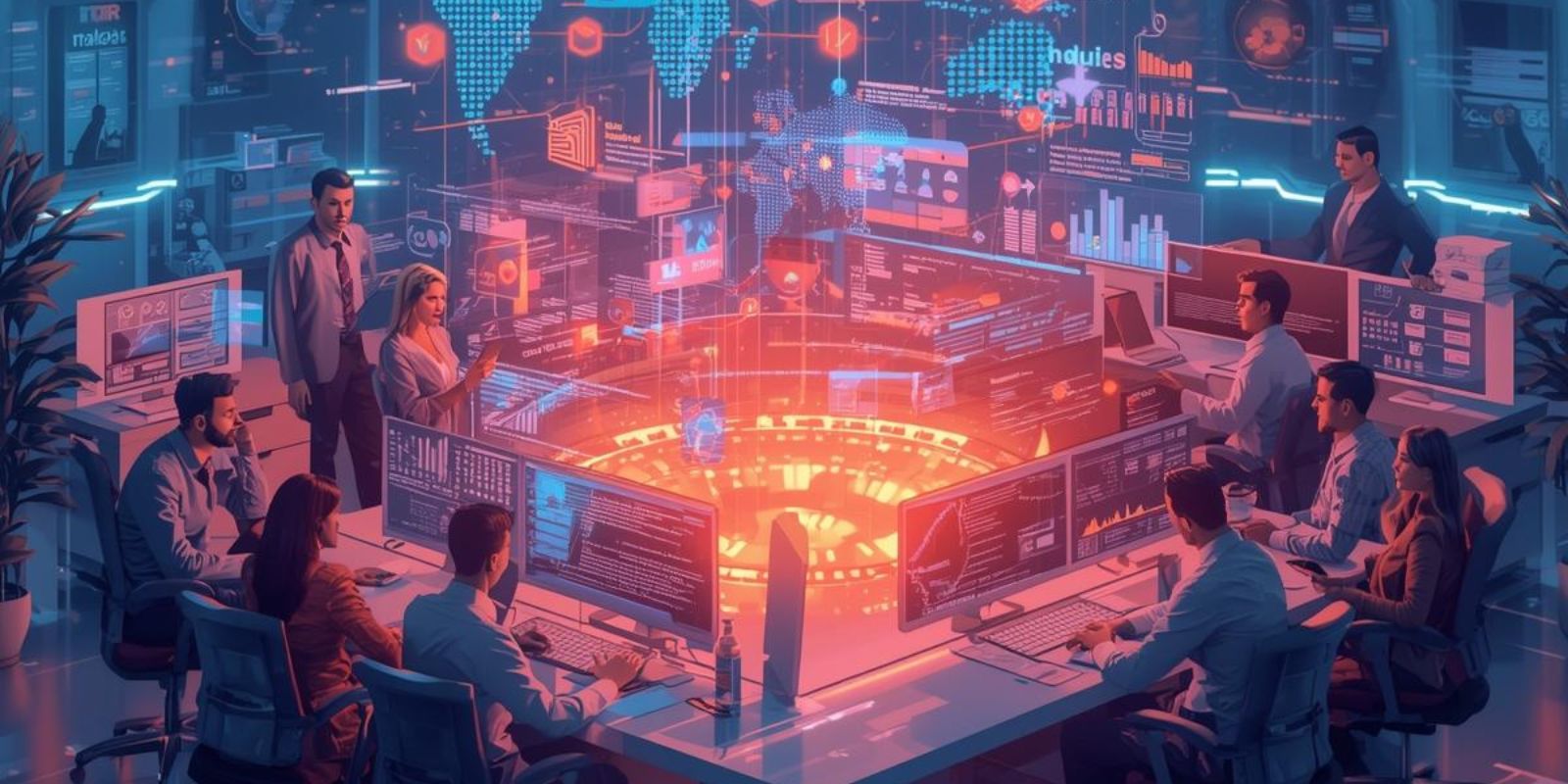
The nature of work has transformed dramatically over the past decade. Rapid digitalization, shifting employee expectations, remote work models, and global competition have reshaped how organizations operate. At the heart of this transformation lies one critical factor: people. To remain competitive and adaptable, businesses increasingly rely on staffing solutions to power modern workforces. These solutions go beyond traditional hiring by offering strategic, flexible, and technology-driven approaches to workforce management.
In today’s fast-paced environment, staffing solutions play a pivotal role in helping organizations build resilient teams, address skill shortages, and respond quickly to changing market demands. This article explores how staffing solutions are shaping modern workforces and why they are essential for sustainable business growth.
The Evolution of the Modern Workforce
Modern workforces are defined by diversity, flexibility, and specialization. Organizations no longer depend solely on permanent, full-time employees. Instead, they leverage a mix of full-time staff, contract workers, freelancers, consultants, and remote professionals.
Several factors have contributed to this evolution:
- Digital transformation has created demand for specialized and emerging skill sets
- Globalization has expanded access to international talent pools
- Remote work adoption has removed geographical barriers
- Changing employee preferences emphasize flexibility and work-life balance
Staffing solutions have evolved alongside these trends, offering businesses structured ways to manage complexity while ensuring access to the right talent at the right time.
What Are Staffing Solutions?
Staffing solutions refer to comprehensive workforce services designed to help organizations attract, hire, manage, and retain talent. These solutions may include:
- Permanent recruitment
- Temporary and contract staffing
- Project-based hiring
- Executive search
- Workforce planning and consulting
- Recruitment process outsourcing (RPO)
Rather than functioning as simple hiring agencies, modern staffing providers act as strategic partners. They align talent strategies with business objectives, helping organizations remain agile and competitive.
How Staffing Solutions Power Modern Workforces
1. Enhancing Workforce Agility
One of the most significant advantages of staffing solutions is agility. Modern businesses must scale teams up or down quickly in response to project needs, seasonal demand, or market shifts. Staffing solutions enable this flexibility without the long-term commitments associated with traditional hiring.
Temporary and contract staffing models allow companies to deploy skilled professionals when needed and optimize workforce costs. This agility empowers organizations to respond faster to opportunities and challenges.
2. Access to Specialized Skills
Skill gaps are one of the biggest challenges facing modern workforces. Emerging technologies such as artificial intelligence, data analytics, cloud computing, and cybersecurity require niche expertise that may not be available internally.
Staffing solutions provide access to specialized talent pools that are difficult to source through conventional recruitment. Staffing partners maintain extensive databases of pre-screened professionals, ensuring faster and more accurate placements.
3. Faster Hiring and Reduced Time-to-Fill
Speed is critical in today’s competitive talent market. Delayed hiring can lead to productivity losses, project delays, and missed business opportunities.
Staffing solutions streamline recruitment processes by leveraging technology, industry networks, and recruitment expertise. This significantly reduces time-to-fill and ensures that organizations can onboard talent without unnecessary delays.
4. Cost Optimization and Efficiency
Managing recruitment internally can be resource-intensive. Advertising costs, screening efforts, administrative tasks, and onboarding expenses add up quickly.
Staffing solutions help optimize costs by offering scalable hiring models and reducing administrative burdens. Businesses pay for talent only when required, improving budget control while maintaining workforce efficiency.
5. Supporting Remote and Hybrid Work Models
Remote and hybrid work models are now integral to modern workforces. Staffing solutions enable organizations to source and manage remote talent effectively across locations and time zones.
From compliance and payroll management to performance monitoring, staffing providers simplify the complexities of managing distributed teams. This support allows businesses to focus on outcomes rather than operational challenges.
6. Improving Workforce Quality and Performance
Staffing solutions emphasize quality as much as speed. Through rigorous screening, skill assessments, and cultural fit evaluations, staffing partners ensure that candidates align with organizational goals.
High-quality placements lead to improved productivity, lower attrition rates, and stronger team performance. Over time, this contributes to a more engaged and resilient workforce.
The Role of Technology in Staffing Solutions
Technology plays a central role in powering modern staffing solutions. Advanced tools such as applicant tracking systems, AI-based screening, and data analytics enhance recruitment accuracy and efficiency.
Key technological benefits include:
- Predictive hiring insights
- Automated candidate matching
- Real-time workforce analytics
- Improved candidate experience
By integrating technology into staffing strategies, organizations gain better visibility into workforce trends and make informed hiring decisions.
Staffing Solutions and Strategic Workforce Planning
Modern staffing solutions extend beyond filling vacancies. They support long-term workforce planning by aligning talent strategies with business goals.
Staffing partners analyze workforce data, identify future skill requirements, and recommend proactive hiring approaches. This strategic perspective ensures that organizations are prepared for growth, innovation, and industry changes.
Benefits for Employers and Employees
For Employers:
- Greater flexibility and scalability
- Reduced hiring risks
- Access to top talent
- Improved workforce productivity
For Employees:
- Diverse career opportunities
- Flexible work arrangements
- Exposure to multiple industries
- Faster career growth
By creating win-win outcomes, staffing solutions foster stronger employer-employee relationships in modern work environments.
Why Staffing Solutions Are Essential for the Future
As industries continue to evolve, the demand for adaptable, skilled, and diverse workforces will only increase. Traditional hiring models alone cannot meet these demands.
Staffing solutions empower organizations to stay competitive by embracing flexibility, innovation, and strategic talent management. They transform workforce challenges into growth opportunities and enable businesses to build future-ready teams.
Conclusion
Staffing solutions power modern workforces by enabling agility, improving access to specialized skills, optimizing costs, and supporting evolving work models. In an era where change is constant, organizations that leverage strategic staffing solutions are better positioned to succeed.


