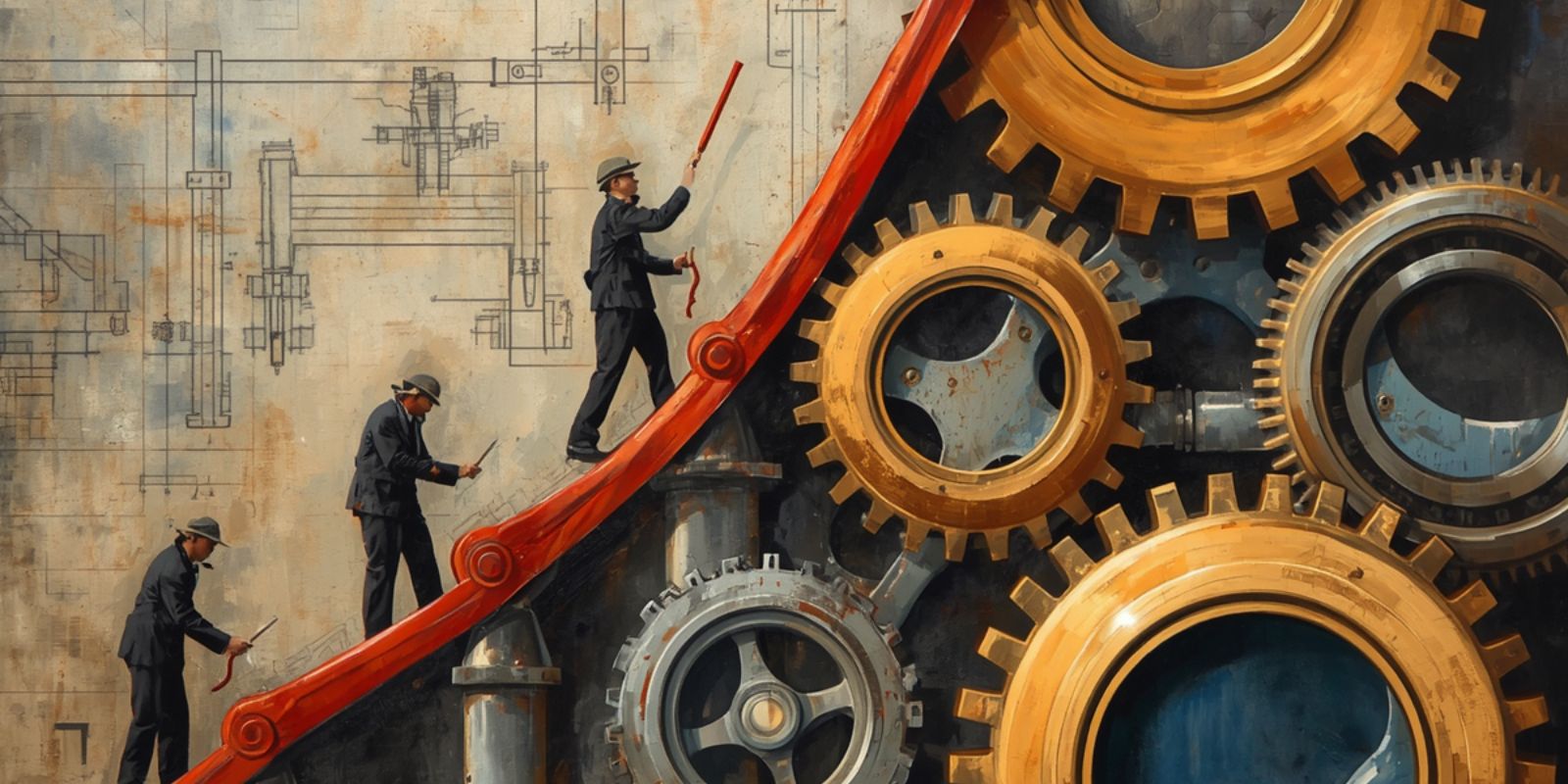
The global business landscape is undergoing rapid transformation driven by technological innovation, automation, artificial intelligence, sustainability priorities, and evolving customer expectations. As industries adapt to these changes, organizations face a critical challenge: ensuring their workforce is ready for the demands of future industries. Workforce readiness is no longer just about hiring skilled employees—it involves continuous learning, adaptability, digital fluency, and strategic talent planning.
Future-ready organizations recognize that their people are the foundation of long-term success. Preparing employees for emerging roles, new technologies, and evolving business models is essential for remaining competitive in a fast-changing environment. This article explores the importance of workforce readiness for future industries, key skills required, challenges organizations face, and strategies to build a future-ready workforce.
Understanding Workforce Readiness
Workforce readiness refers to an organization’s ability to equip employees with the skills, knowledge, mindset, and tools needed to perform effectively in current and future roles. It extends beyond technical expertise to include soft skills, adaptability, and continuous learning capabilities.
In future industries—such as artificial intelligence, renewable energy, advanced manufacturing, healthcare technology, fintech, and smart infrastructure—job roles are evolving rapidly. Many roles that will exist in the next decade do not exist today, making proactive workforce planning essential.
Why Workforce Readiness Matters for Future Industries
1. Rapid Technological Advancements
Automation, machine learning, cloud computing, and data analytics are reshaping how work is performed. Employees must be comfortable working alongside technology and adapting to new digital tools.
2. Changing Skill Requirements
Future industries demand a blend of technical, analytical, and human-centric skills. Traditional job-specific skills are giving way to transferable skills that enable adaptability across roles.
3. Talent Shortages
Many industries already face skill gaps, particularly in digital and technology-driven roles. Workforce readiness helps organizations develop internal talent instead of relying solely on external hiring.
4. Business Agility and Innovation
A prepared workforce enables faster decision-making, improved innovation, and the ability to respond quickly to market disruptions.
Key Skills for Workforce Readiness in Future Industries
Digital and Technological Skills
Digital literacy is foundational for future industries. Employees must understand and work with technologies such as automation tools, AI platforms, cloud systems, and data analytics software.
Critical Thinking and Problem-Solving
As automation handles routine tasks, employees will focus more on strategic thinking, problem-solving, and decision-making in complex scenarios.
Adaptability and Learning Agility
The ability to learn, unlearn, and relearn is essential. Workforce readiness requires employees who can quickly adapt to new roles, tools, and processes.
Communication and Collaboration
Future industries rely heavily on cross-functional and remote collaboration. Strong communication skills and teamwork are vital for productivity and innovation.
Emotional Intelligence and Leadership
Human skills such as empathy, leadership, and relationship management will remain critical, especially in customer-facing and managerial roles.
Challenges in Achieving Workforce Readiness
Skill Gaps and Mismatches
Organizations often struggle to align existing employee skills with future business needs. Identifying and addressing skill gaps requires careful assessment and planning.
Resistance to Change
Employees may resist new technologies or changes in work processes. Change management and clear communication are essential to overcome this challenge.
Limited Training Infrastructure
Many organizations lack structured learning programs or access to relevant training resources needed for future skills.
Budget and Time Constraints
Upskilling and reskilling initiatives require investment. Balancing training costs with operational demands can be challenging.
Strategies to Build Workforce Readiness for Future Industries
1. Strategic Workforce Planning
Organizations should align workforce planning with long-term business goals. This involves forecasting future skill requirements, identifying critical roles, and developing talent pipelines.
2. Continuous Learning and Development
Implementing continuous learning programs ensures employees remain relevant. Online learning platforms, microlearning modules, certifications, and hands-on projects support ongoing skill development.
3. Upskilling and Reskilling Initiatives
Upskilling enhances existing skills, while reskilling prepares employees for entirely new roles. Both approaches help organizations retain talent while meeting future needs.
4. Embracing Digital Transformation
Introducing digital tools and technologies gradually helps employees adapt. Providing training and support ensures smooth adoption and maximizes productivity.
5. Fostering a Learning Culture
A culture that encourages curiosity, experimentation, and knowledge sharing enhances workforce readiness. Employees should feel empowered to learn and innovate.
6. Leveraging Flexible Workforce Models
Contract staffing, project-based hiring, and remote teams provide access to specialized skills while maintaining workforce flexibility.
Role of Leadership in Workforce Readiness
Leadership plays a crucial role in preparing organizations for future industries. Leaders must champion learning initiatives, support change, and communicate the importance of workforce readiness clearly. By setting the tone from the top, leaders can inspire employees to embrace growth and adaptability.
Investing in leadership development ensures managers are equipped to guide teams through transformation, manage diverse skill sets, and foster collaboration in evolving work environments.
Technology as an Enabler of Workforce Readiness
Technology plays a dual role in workforce readiness—it drives change while also enabling adaptation. Learning management systems, AI-driven skill assessments, workforce analytics, and collaboration platforms help organizations identify gaps, track progress, and deliver targeted training.
By leveraging data and analytics, organizations can make informed decisions about talent development and workforce deployment.
Measuring Workforce Readiness
To ensure effectiveness, organizations should measure workforce readiness through metrics such as skill proficiency levels, training completion rates, employee engagement, productivity, and internal mobility. Regular assessments help refine strategies and ensure alignment with future industry demands.
Conclusion
Workforce readiness for future industries is no longer optional—it is a strategic imperative. As industries evolve at an unprecedented pace, organizations that proactively prepare their workforce will gain a significant competitive advantage. By focusing on skill development, adaptability, continuous learning, and strategic workforce planning, businesses can build resilient teams capable of thriving in the future.