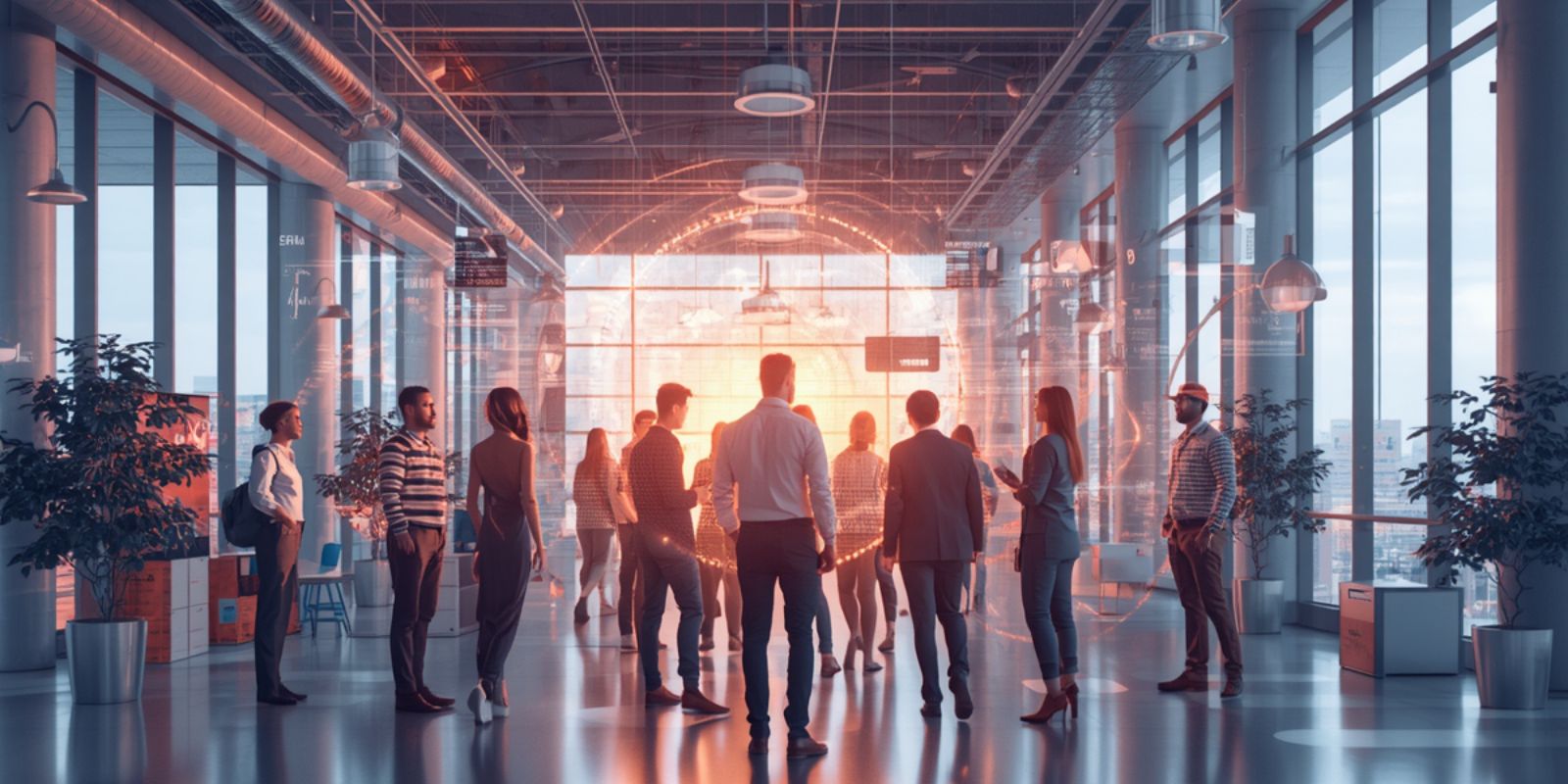
The world of work is evolving faster than ever before. Technological innovation, changing employee expectations, global competition, and economic uncertainty are reshaping how organizations hire, manage, and retain talent. Traditional workforce structures—once built around fixed roles, full-time employees, and office-based operations—are no longer enough to meet modern business demands.
To remain competitive, organizations must adopt future workforce models that are agile, scalable, and digitally enabled. These models are not just about reducing costs or filling vacancies; they are about building resilient organizations prepared for long-term success. Companies that redesign their workforce strategy today will lead their industries tomorrow.
This article explores what tomorrow’s workforce models look like, why they matter, and how businesses can implement them to drive growth.
What Are Future Workforce Models?
Future workforce models are strategic frameworks that define how work gets done, who does it, and where it happens. They move beyond traditional employment structures and embrace flexibility, automation, and data-driven decision-making.
These models integrate full-time employees, gig workers, remote teams, AI-driven tools, and outsourced partners into one seamless system. Instead of rigid hierarchies, they focus on skills, outcomes, and adaptability.
At their core, workforce models built for tomorrow are designed to:
- Respond quickly to market changes
- Optimize productivity through technology
- Attract top global talent
- Improve employee engagement and retention
Why Traditional Workforce Models Are No Longer Enough
Legacy workforce structures struggle in today’s business environment. Fixed staffing levels, manual processes, and location-based hiring limit growth and innovation.
Key challenges with traditional models include:
- Slow scaling: Hiring full-time staff for every new demand is expensive and time-consuming.
- Limited talent access: Local hiring restricts access to specialized skills.
- Low adaptability: Rigid job roles make it hard to shift priorities.
- Higher operational costs: Office space, benefits, and infrastructure increase overhead.
In contrast, modern workforce models emphasize agility and efficiency, allowing organizations to adapt quickly to change.
Core Elements of Workforce Models Built for Tomorrow
1. Hybrid and Remote Workforce
Tomorrow’s workforce is not confined to office walls. Hybrid and remote models allow employees to work from anywhere while staying connected through digital platforms. This increases flexibility, reduces real estate costs, and boosts employee satisfaction.
2. Skill-Based Workforce Design
Instead of focusing on job titles, future workforce models focus on skills. Work is assigned based on competencies rather than positions, enabling faster project execution and better talent utilization.
3. On-Demand Talent
Organizations increasingly rely on freelancers, consultants, and contract workers to meet short-term or specialized needs. This allows companies to scale their workforce up or down without long-term commitments.
4. Automation and AI Integration
AI-powered tools handle repetitive tasks such as data entry, scheduling, and recruitment screening. This frees employees to focus on strategic and creative work.
5. Workforce Analytics
Data-driven insights help leaders forecast staffing needs, measure productivity, and identify skill gaps. Predictive analytics enable smarter workforce planning and decision-making.
Types of Future Workforce Models
The Hybrid Workforce Model
Combines remote and in-office employees. Teams collaborate digitally while maintaining flexibility. This model is ideal for organizations seeking balance between structure and autonomy.
The Gig and Contract Model
Uses independent professionals for project-based work. It provides cost efficiency and access to niche skills.
The Digital Workforce Model
Integrates human workers with bots and AI tools. Automation handles routine tasks, while humans focus on innovation and customer experience.
The Agile Workforce Model
Teams are cross-functional and project-driven. Employees move between roles based on business needs.
The Global Talent Model
Remote hiring allows companies to source talent worldwide, improving diversity and innovation.
Benefits of Workforce Models Built for Tomorrow
- Increased Agility: Quickly respond to market shifts and new opportunities.
- Cost Optimization: Reduce overhead and hiring expenses.
- Higher Productivity: AI and automation streamline operations.
- Improved Employee Experience: Flexibility enhances work-life balance.
- Better Talent Access: Hire skilled professionals globally.
These benefits help organizations remain competitive in a fast-changing world.
How Businesses Can Transition to Future Workforce Models
Assess Current Workforce Structure
Start by analyzing existing roles, workflows, and skill gaps. Identify tasks that can be automated or outsourced.
Invest in Digital Tools
Adopt HR technology, collaboration platforms, and workforce analytics systems.
Redesign Roles Around Skills
Shift from job-based structures to skill-based assignments.
Train and Reskill Employees
Upskill teams to work with new technologies and adapt to new roles.
Create Flexible Policies
Develop guidelines that support remote work, contract hiring, and performance-based evaluation.
The Role of Leadership in Workforce Transformation
Leaders play a crucial role in shaping future workforce models. They must foster a culture of innovation, trust, and continuous learning. Transparent communication, digital readiness, and a people-first approach ensure successful adoption.
Future Outlook
As technology continues to evolve, workforce models will become even more dynamic. AI, virtual collaboration, and global talent networks will redefine how work is performed. Organizations that embrace these changes today will be better prepared for tomorrow’s challenges.
Conclusion
Workforce models built for tomorrow are no longer optional—they are essential. By adopting flexible, technology-driven, and skill-based strategies, businesses can stay ahead in a competitive landscape. The future belongs to organizations that are ready to evolve, adapt, and innovate through smarter workforce design.