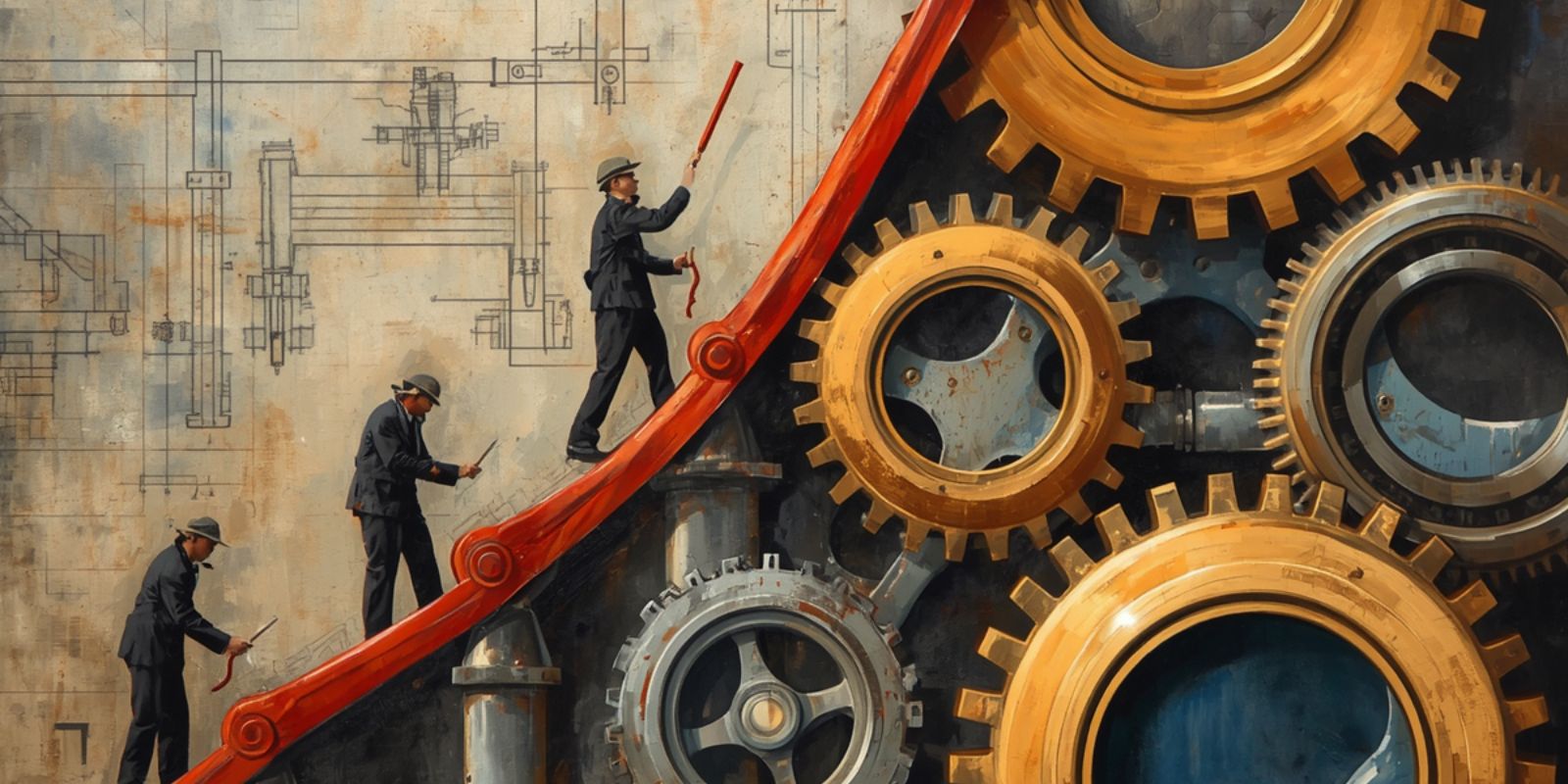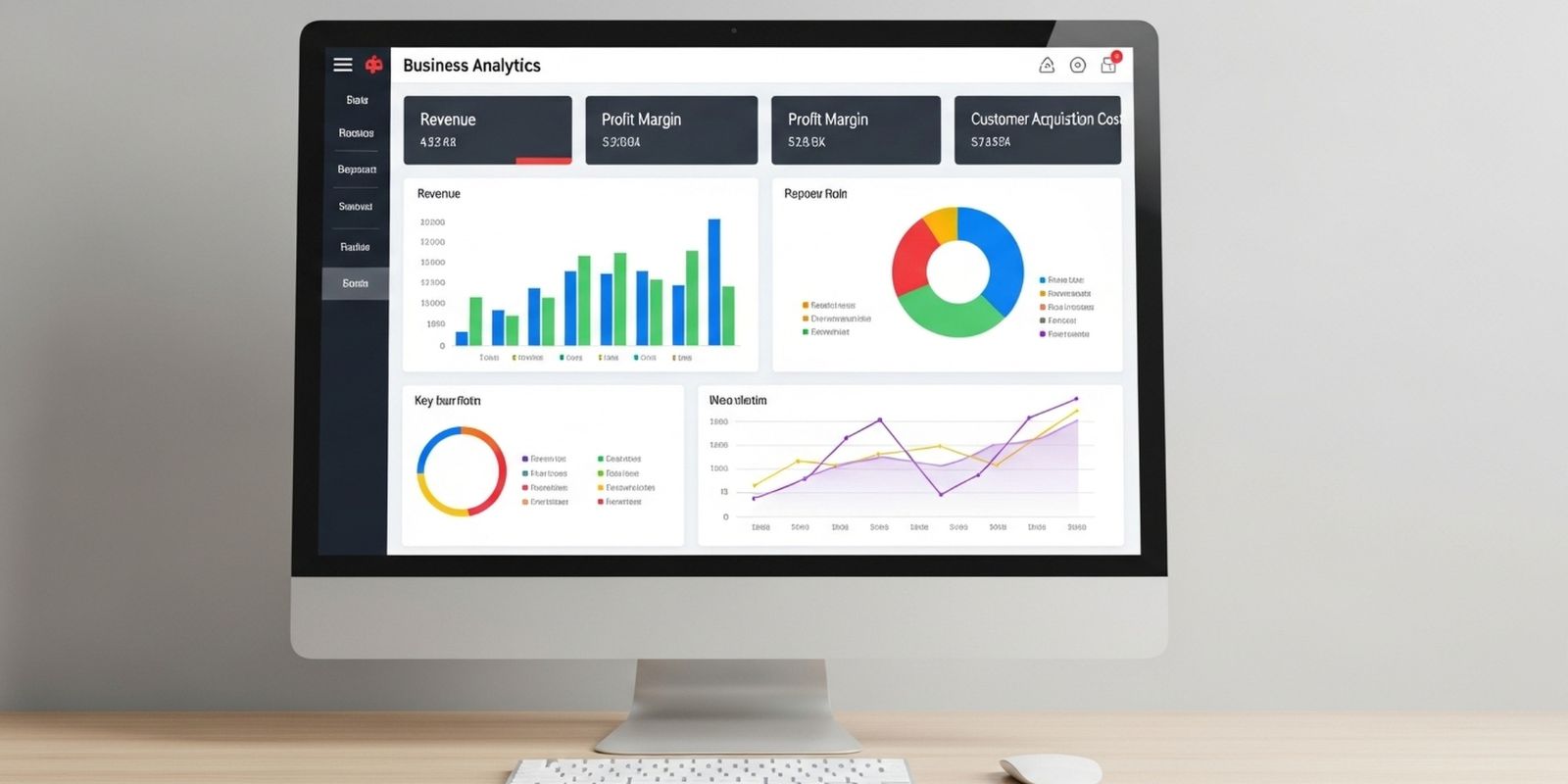
In today’s rapidly evolving business landscape, organizations can no longer rely on intuition or outdated workforce practices. The modern enterprise must operate with agility, precision, and foresight. This is where workforce insights through talent analytics become a game changer. Talent analytics empowers HR and business leaders to make data-driven decisions that improve productivity, enhance employee engagement, and strengthen organizational performance.
By turning raw workforce data into meaningful insights, companies gain a deeper understanding of their people, enabling them to align talent strategies with business objectives. From recruitment and performance management to retention and succession planning, analytics has become the backbone of a high-performing workforce.
Understanding Talent Analytics
Talent analytics refers to the systematic collection, analysis, and interpretation of workforce data to improve people-related decisions. It goes beyond simple reporting by uncovering patterns, predicting outcomes, and prescribing actions.
Unlike traditional HR metrics such as headcount or turnover, talent analytics focuses on:
- Employee performance trends
- Engagement and productivity levels
- Hiring effectiveness
- Learning impact
- Attrition risks
By using advanced data tools, organizations transform people management into a strategic business function rather than an administrative one.
Why Workforce Insights Matter
Workforce insights enable leaders to see what is really happening inside their organization. These insights help answer critical questions such as:
- Which roles drive the highest business impact?
- Why are top performers leaving?
- What skills will be needed in the next three years?
- How can productivity be improved without increasing costs?
When HR decisions are supported by real data, companies gain clarity, reduce bias, and improve workforce planning. This leads to stronger business outcomes and better employee experiences.
Key Components of Talent Analytics
1. Descriptive Analytics
This provides a snapshot of what has already happened. Examples include turnover rates, training completion, performance scores, and absenteeism.
2. Diagnostic Analytics
This explains why something happened. For example, analyzing exit survey data to understand the root causes of attrition.
3. Predictive Analytics
This uses historical data to forecast future outcomes, such as predicting which employees may leave or which candidates are likely to succeed.
4. Prescriptive Analytics
This suggests the best course of action, such as recommending targeted training programs or optimized hiring strategies.
How Talent Analytics Transforms Workforce Strategy
Smarter Hiring Decisions
Analytics helps identify which sourcing channels deliver high-performing employees. It also highlights skills gaps and improves candidate screening by matching profiles to successful employee traits.
Improved Employee Performance
By tracking performance patterns, organizations can determine what drives success. This allows leaders to set realistic goals, offer relevant coaching, and develop high-potential employees.
Enhanced Retention
Predictive models detect early signs of disengagement, enabling HR teams to take proactive steps to retain top talent before they leave.
Optimized Learning & Development
Analytics measures training effectiveness by linking learning outcomes to job performance, ensuring resources are invested where they generate the highest return.
Building a Data-Driven Workforce Culture
To unlock workforce insights through talent analytics, organizations must:
- Establish clean and reliable data sources
- Integrate HR systems for unified reporting
- Train HR teams in data interpretation
- Encourage leadership to rely on evidence-based decisions
When data becomes part of everyday workforce planning, companies move from reactive to proactive talent management.
The Role of AI and Automation
Artificial intelligence enhances talent analytics by:
- Identifying complex workforce patterns
- Automating reporting
- Delivering real-time dashboards
- Improving predictive accuracy
AI-powered analytics platforms help HR leaders act faster and more strategically, driving continuous improvement across the organization.
Future of Workforce Insights
As businesses grow more digital, the demand for data-driven HR will continue to rise. Organizations that embrace talent analytics today will be better prepared for tomorrow’s workforce challenges. From remote work trends to skill-based hiring, analytics will remain the foundation of workforce transformation.
Conclusion
Workforce insights through talent analytics are no longer optional—they are essential. By turning workforce data into actionable intelligence, organizations gain the power to attract, develop, and retain top talent. Companies that invest in talent analytics today will build resilient, high-performing workforces ready to succeed in the future.