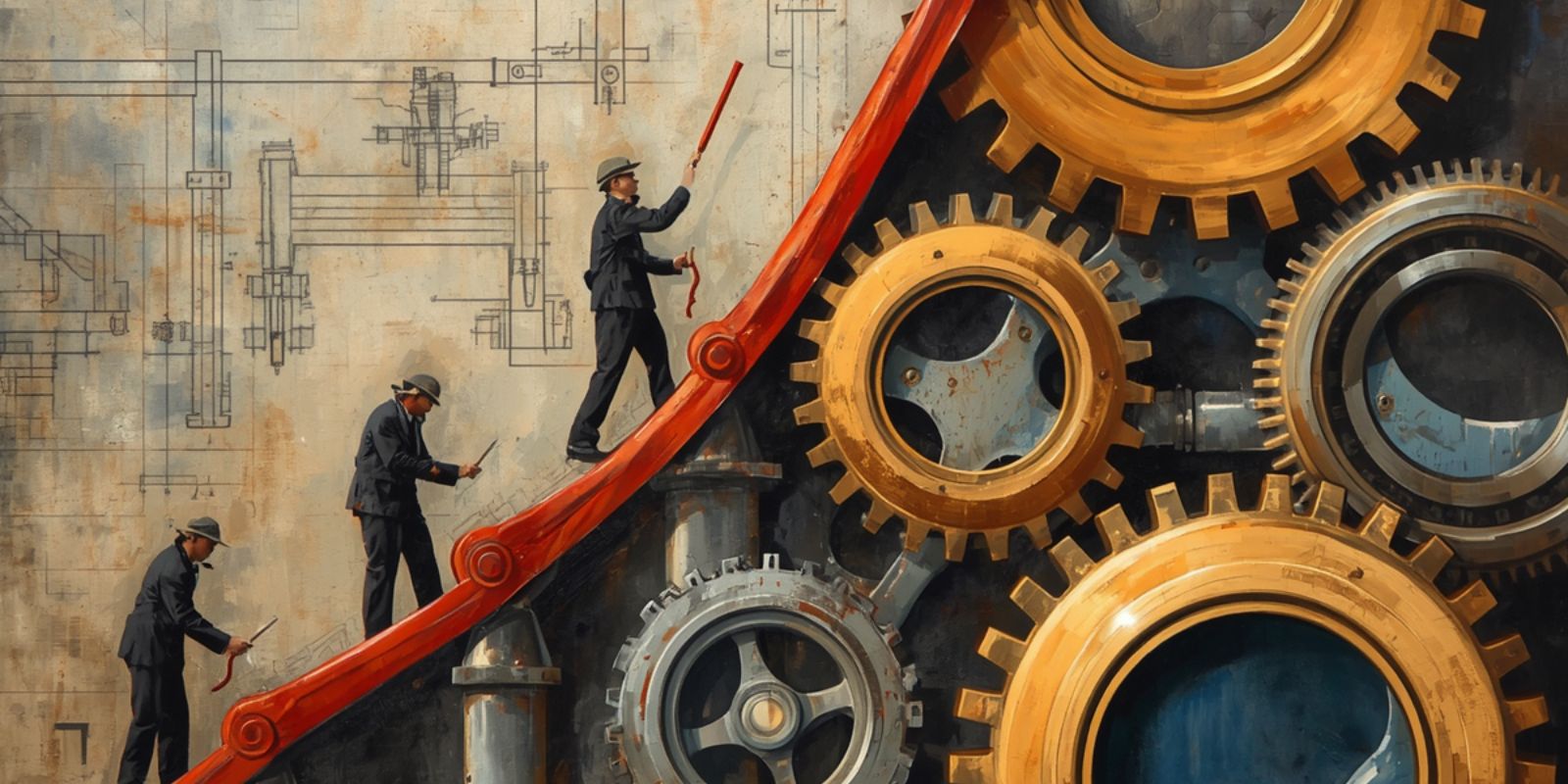
In today’s fast-paced and highly competitive global economy, organizations are under immense pressure to adapt, evolve, and innovate. Technology, changing workforce demographics, and shifting customer expectations are redefining how businesses operate. At the center of this transformation is workforce innovation — a strategic approach to developing, managing, and empowering talent in smarter, more agile ways. Companies that embrace workforce innovation are not just surviving change; they are shaping the future of business itself.
Workforce innovation goes far beyond adopting new HR tools. It involves rethinking how people work, how teams collaborate, and how organizations leverage human potential to drive growth. As automation, artificial intelligence, and digital platforms reshape industries, businesses that modernize their workforce strategies gain a significant competitive edge.
Understanding Workforce Innovation
Workforce innovation refers to the continuous improvement of how an organization attracts, develops, engages, and retains talent using modern practices, technology, and data-driven decision-making. It blends digital transformation with human capital strategies to create a flexible, productive, and future-ready workforce.
This includes:
- Using AI and analytics for smarter hiring
- Creating hybrid and remote work models
- Investing in reskilling and upskilling
- Improving employee experience through digital platforms
- Promoting diversity, inclusion, and collaboration
When businesses align their workforce strategies with innovation, they can respond faster to market changes, reduce skill gaps, and create more engaged teams.
Why Workforce Innovation Matters for Business
The success of any business depends on its people. However, traditional workforce models are no longer sufficient. Organizations must adapt to:
- Rapid technological change
- Talent shortages
- Rising employee expectations
- Global competition
Workforce innovation enables companies to:
- Improve productivity
- Reduce operational costs
- Increase employee engagement
- Build future-ready skills
- Enhance customer satisfaction
By transforming how people work, companies can achieve better performance, stronger culture, and long-term sustainability.
The Role of Technology in Workforce Innovation
Technology is the backbone of modern workforce innovation. Digital tools help organizations automate routine tasks, improve collaboration, and gain insights into workforce performance.
AI and Automation
AI-powered recruitment systems screen candidates faster and more accurately. Automation handles administrative work, allowing HR teams to focus on strategic tasks.
Workforce Analytics
Data helps companies understand employee performance, turnover trends, and training needs. This allows for smarter planning and decision-making.
Cloud-Based HR Platforms
These systems manage payroll, attendance, learning, and performance from one integrated platform, increasing efficiency and transparency.
Building a Future-Ready Workforce
Workforce innovation prepares employees for future challenges. As job roles evolve, businesses must ensure their teams have the right skills.
Reskilling and Upskilling
Training programs help employees learn new technologies and develop advanced skills. This reduces dependence on external hiring and boosts loyalty.
Continuous Learning Culture
Organizations that promote learning encourage employees to grow and adapt. Digital learning platforms make training more accessible and personalized.
Hybrid Work and Flexible Models
One of the biggest changes in workforce innovation is the shift to flexible working models. Employees now expect:
- Remote work options
- Flexible schedules
- Better work-life balance
Hybrid work models improve productivity and job satisfaction. They also allow businesses to hire talent from a wider geographic area, expanding their talent pool.
Employee Experience and Engagement
Innovative organizations focus on employee experience just as much as customer experience. A motivated workforce performs better and stays longer.
Digital tools now allow businesses to:
- Conduct pulse surveys
- Offer self-service HR portals
- Provide wellness and engagement platforms
When employees feel valued, they become more productive and loyal.
Diversity and Inclusion Through Innovation
Workforce innovation supports diversity by removing bias from hiring and promoting fair opportunities. AI-driven hiring tools, inclusive policies, and flexible work options help create diverse and high-performing teams.
A diverse workforce brings:
- Better ideas
- Improved problem-solving
- Stronger brand reputation
Leadership in the Age of Workforce Innovation
Modern leaders must think beyond traditional management. They need to inspire, adapt, and lead through change.
Innovative leadership focuses on:
- Empowering employees
- Encouraging collaboration
- Supporting digital transformation
- Promoting transparency
Leaders who embrace workforce innovation build trust and drive organizational success.
Workforce Innovation and Business Growth
When businesses invest in workforce innovation, the results are measurable:
- Higher employee retention
- Improved operational efficiency
- Faster innovation cycles
- Stronger customer relationships
A skilled, motivated, and adaptable workforce directly impacts profitability and long-term growth.
Challenges in Workforce Innovation
Despite its benefits, workforce innovation comes with challenges:
- Resistance to change
- Skill gaps
- Technology adoption
- Data security
Organizations must address these challenges through training, communication, and leadership support.
The Future of Workforce Innovation
The future will bring more automation, smarter analytics, and personalized employee experiences. Businesses that continue to innovate their workforce strategies will stay ahead in a competitive global market.
Emerging trends include:
- AI-driven workforce planning
- Virtual collaboration tools
- Predictive talent analytics
- Digital employee engagement platforms
These innovations will redefine how work is done.
Conclusion
Workforce innovation is no longer optional — it is essential for business survival and success. By combining technology, talent, and strategy, organizations can build a workforce that is agile, skilled, and ready for the future. Companies that embrace workforce innovation today will be the leaders of tomorrow.