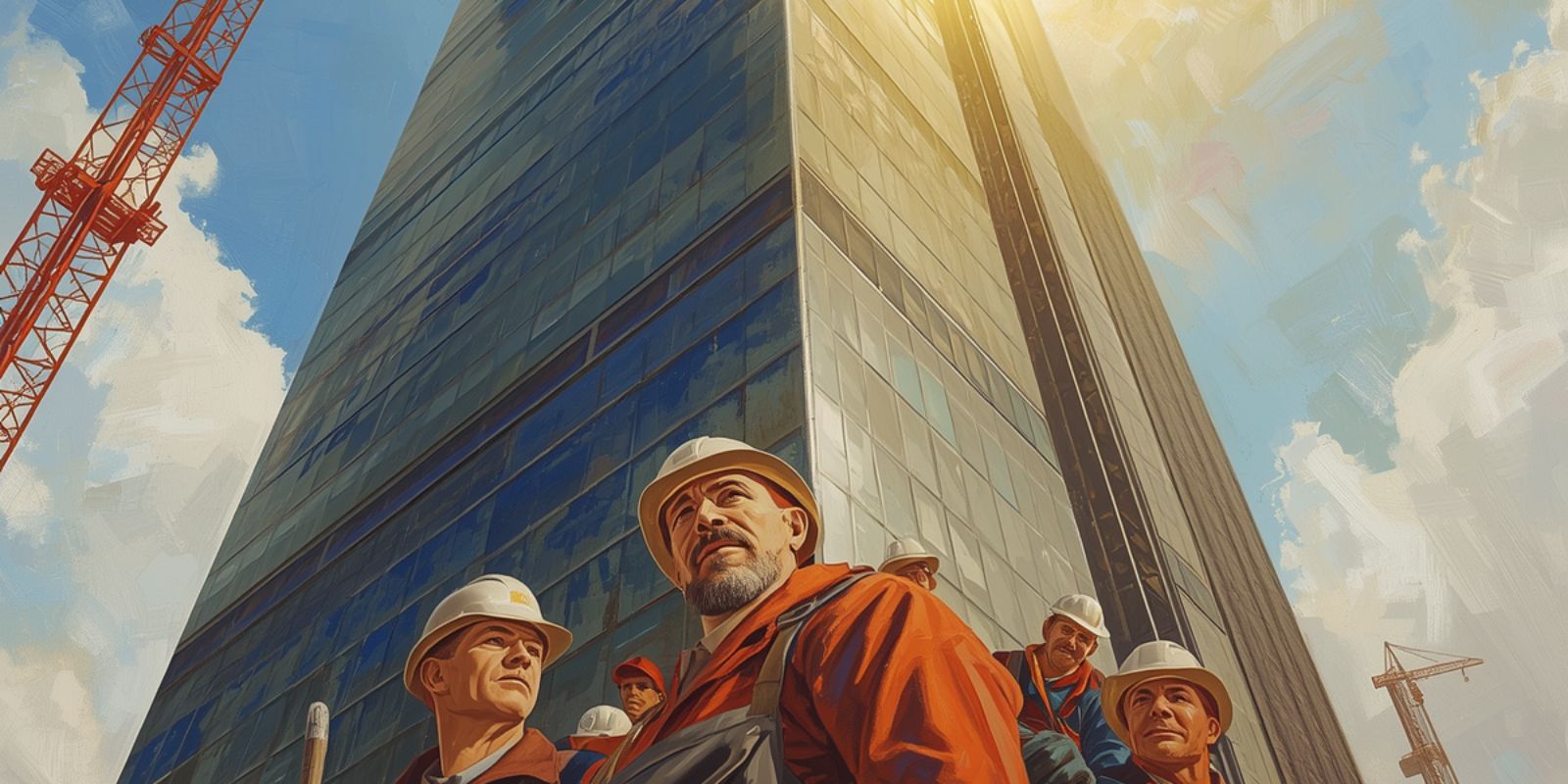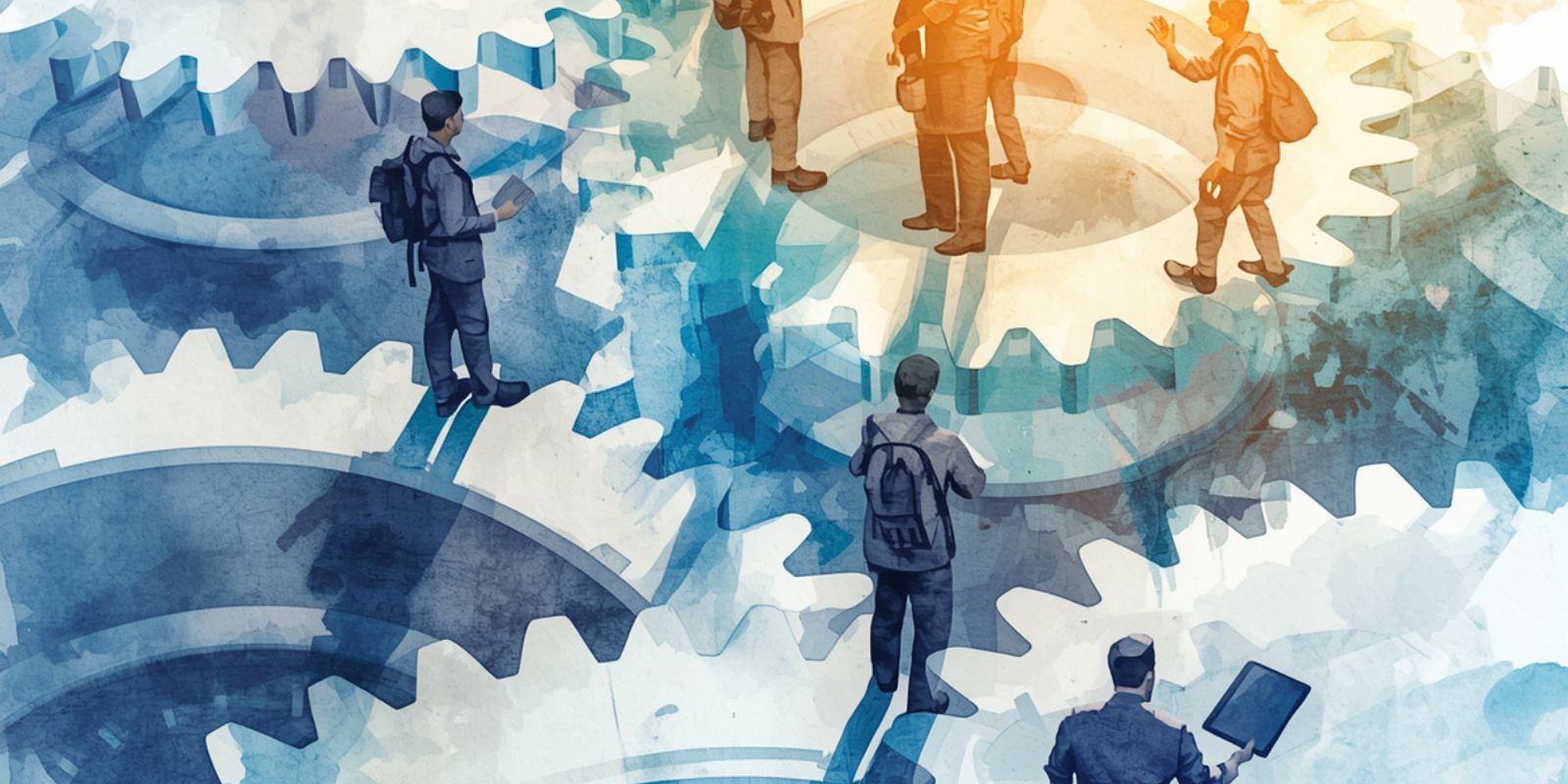
The modern business environment is evolving at an unprecedented pace. Rapid technological advancements, shifting workforce expectations, and global market competition are pushing organizations to rethink how they structure and manage their teams. Traditional workforce models that relied on rigid hierarchies and static job roles are gradually becoming outdated. Instead, companies are adopting workforce architectures designed for tomorrow—strategic frameworks that enable agility, innovation, and long-term resilience.
Workforce architecture refers to the systematic design of roles, skills, processes, technologies, and talent strategies that support an organization’s objectives. When thoughtfully developed, it aligns the workforce with business strategy while allowing organizations to adapt to future challenges. In today’s digital age, businesses that prioritize forward-thinking workforce architectures are better positioned to thrive in a competitive landscape.
Understanding Workforce Architecture
Workforce architecture is more than simply hiring employees to fill positions. It involves designing a comprehensive structure that connects people, skills, and technology to organizational goals. This approach ensures that every role contributes effectively to business performance while maintaining flexibility for change.
Organizations today must consider multiple elements when building workforce architecture. These include workforce planning, talent acquisition strategies, employee development programs, performance management systems, and digital infrastructure. Together, these components create a cohesive system that supports productivity and growth.
A well-designed workforce architecture enables companies to adapt to changing demands. Whether responding to technological disruptions, economic shifts, or evolving customer expectations, businesses with flexible workforce systems can pivot quickly and maintain stability.
The Impact of Technological Transformation
Technology is one of the most influential forces shaping modern workforce structures. Artificial intelligence, automation, and digital platforms are transforming how work is performed and how employees collaborate. Many routine tasks are now automated, allowing workers to focus on creative, analytical, and strategic responsibilities.
Digital collaboration tools also enable teams to work across geographic boundaries. Remote work and hybrid work models have become increasingly common, allowing organizations to access talent from around the world. As a result, workforce architectures must integrate digital tools that support communication, project management, and productivity.
Organizations must also invest in digital training programs to ensure employees can effectively use new technologies. Building a digitally capable workforce ensures that businesses can fully leverage technological advancements while maintaining efficiency and innovation.
Strategic Workforce Planning
Strategic workforce planning is a core component of future-ready workforce architecture. It involves forecasting talent needs, analyzing workforce capabilities, and aligning human resources strategies with business goals.
Through workforce planning, organizations can identify potential skill gaps and develop targeted recruitment or training initiatives. This proactive approach allows companies to prepare for future industry changes rather than reacting to them after they occur.
For example, organizations in technology-driven industries may anticipate growing demand for data analysts, cybersecurity specialists, or software engineers. By planning ahead, they can develop training programs or recruitment strategies that ensure these skills are available when needed.
Strategic workforce planning also helps organizations optimize resource allocation, ensuring that talent is distributed effectively across departments and projects.
Skills-Based Workforce Models
One of the most significant shifts in workforce architecture is the transition from role-based structures to skills-based workforce models. In traditional systems, employees were assigned fixed roles with defined responsibilities. However, modern organizations require greater flexibility.
A skills-based approach focuses on identifying and leveraging employees’ capabilities rather than restricting them to specific job titles. This allows individuals to contribute to multiple projects and teams based on their expertise.
Such models encourage collaboration and innovation. Employees gain opportunities to expand their skill sets, while organizations benefit from a more adaptable workforce. Additionally, skills-based architectures support internal mobility, allowing employees to transition into new roles without leaving the organization.
Flexible Workforce Strategies
Another defining feature of tomorrow’s workforce architecture is flexibility. Businesses are increasingly adopting blended workforce models that combine full-time employees, contract professionals, freelancers, and outsourced talent.
This flexible approach enables organizations to scale their workforce according to project demands and market conditions. For instance, companies may hire specialized professionals for short-term initiatives while maintaining a stable core workforce for long-term operations.
Flexible workforce strategies also support global collaboration. Organizations can engage talent from different regions, bringing diverse perspectives and specialized expertise to their teams.
By balancing stability with adaptability, companies can maintain operational efficiency while responding quickly to emerging opportunities.
Employee Experience and Engagement
Designing workforce architectures for the future also requires prioritizing employee experience. Modern employees seek more than just job security; they value meaningful work, professional growth, and a supportive workplace culture.
Organizations that focus on employee engagement often see improved productivity, innovation, and retention rates. Workforce architecture should include systems that support career development, mentorship, and continuous learning.
Providing employees with opportunities to upskill and reskill ensures that they remain relevant in an evolving job market. Additionally, flexible work arrangements, recognition programs, and transparent communication contribute to a positive work environment.
When employees feel valued and supported, they are more likely to contribute to organizational success.
Diversity and Inclusive Workforce Design
A future-ready workforce architecture must also embrace diversity and inclusion. Diverse teams bring a variety of perspectives, experiences, and ideas that can enhance problem-solving and innovation.
Inclusive workforce strategies ensure equal opportunities for individuals from different backgrounds. This includes equitable hiring practices, inclusive leadership development programs, and workplace policies that promote fairness and respect.
Organizations that prioritize diversity often benefit from stronger team performance and improved decision-making. Moreover, inclusive workplaces attract top talent and strengthen an organization’s reputation in the marketplace.
Workforce Analytics and Data Insights
Data-driven decision-making plays a vital role in modern workforce architecture. Workforce analytics tools provide valuable insights into employee performance, engagement levels, and productivity trends.
By analyzing workforce data, organizations can identify areas where improvements are needed. For example, analytics can reveal skill shortages, high turnover rates, or inefficiencies in certain departments.
Predictive analytics also helps businesses anticipate future workforce challenges. Leaders can use these insights to develop proactive strategies, such as training programs or recruitment campaigns, to address potential issues.
Data-driven workforce management enables organizations to make informed decisions that support both business goals and employee development.
Leadership and Organizational Adaptability
Effective leadership is essential for implementing successful workforce architectures. Leaders must guide organizations through transformation while maintaining employee engagement and trust.
Modern leaders require a combination of technical knowledge, strategic thinking, and emotional intelligence. They must understand how to integrate technology into workforce strategies while also fostering collaboration and innovation.
Leadership development programs play a crucial role in preparing managers for these responsibilities. By investing in leadership training, organizations can ensure that their workforce architecture is supported by capable and forward-thinking leaders.
The Future of Workforce Design
As the global workforce continues to evolve, organizations must remain adaptable and forward-looking. Future workforce architectures will likely emphasize continuous learning, digital collaboration, and skills-based talent management.
Companies will increasingly rely on technology to enhance productivity while recognizing the importance of human creativity and emotional intelligence. The ability to combine technological efficiency with human expertise will define successful workforce strategies in the years ahead.
Organizations that prioritize innovation, flexibility, and employee development will be better equipped to navigate future challenges and opportunities.
Conclusion
Workforce architectures designed for tomorrow are essential for organizations seeking long-term success in a rapidly changing world. By aligning talent strategies with technological advancements and business objectives, companies can create adaptable workforce systems that support growth and resilience.
Strategic workforce planning, skills-based models, flexible staffing strategies, and data-driven insights all play critical roles in shaping modern workforce architecture. At the same time, organizations must prioritize employee experience, diversity, and leadership development to build a strong and engaged workforce.
As businesses continue to evolve, those that invest in future-ready workforce architectures will gain a significant competitive advantage. By designing systems that empower employees and embrace innovation, organizations can create workplaces that not only respond to change but actively shape the future of work.