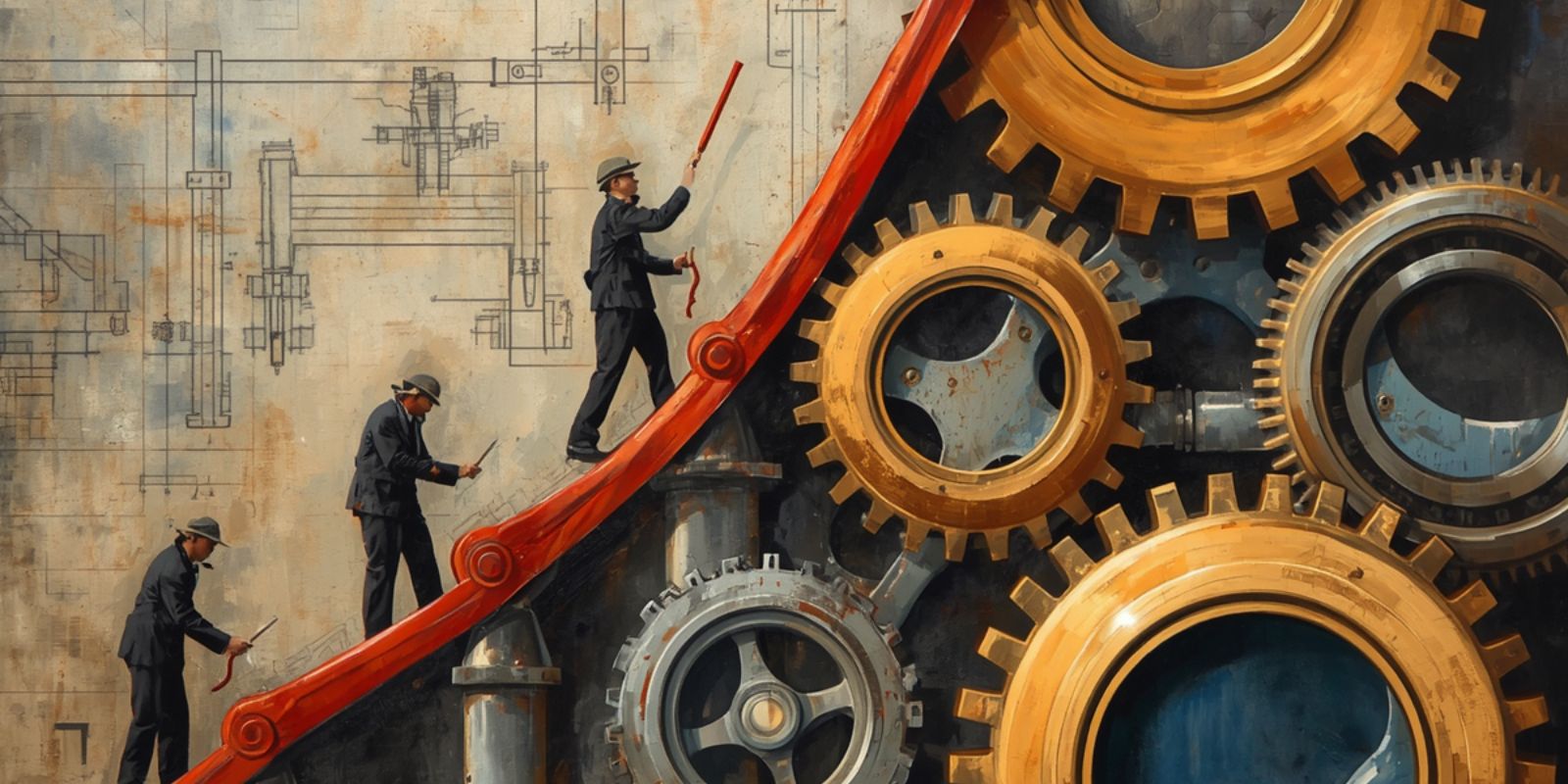
In an era defined by rapid digital change, shifting employee expectations, and global competition, traditional workforce models are no longer enough. Organizations now face an urgent need to rethink how people, processes, and technologies come together to create value. This has led to the emergence of workforce architectures—strategic frameworks that define how talent is structured, managed, and scaled across the enterprise.
Workforce Architectures Designed For Tomorrow are not just about hiring more people or upgrading HR systems. They represent a holistic redesign of how organizations operate, blending human capability with automation, data intelligence, and flexible delivery models. Businesses that invest in future-ready workforce architectures today will be the ones that thrive in tomorrow’s economy.
What Is Workforce Architecture?
Workforce architecture is the blueprint that defines how an organization structures its workforce to deliver on business objectives. It includes job design, skills frameworks, technology platforms, governance models, talent sourcing strategies, and performance systems.
Unlike traditional workforce planning, which focuses mainly on headcount and roles, workforce architecture looks at the entire ecosystem of work. It answers critical questions such as:
- Which skills are needed today and tomorrow?
- How should work be distributed between people, automation, and partners?
- How can talent models adapt quickly to market changes?
A modern workforce architecture aligns people strategy directly with business strategy, making the organization more agile, resilient, and scalable.
Why Traditional Workforce Models Are Failing
Legacy workforce models were designed for stability, not speed. They assume predictable markets, linear career paths, and fixed job roles. Today, however, organizations face:
- Rapid technology disruption
- Remote and hybrid work expectations
- Skills shortages across industries
- Global competition for talent
These challenges make rigid workforce structures unsustainable. Businesses need architectures that can evolve continuously—shifting skills, redeploying talent, and integrating external resources when needed.
Core Principles of Future-Ready Workforce Architectures
1. Skills-Based Design
Future architectures prioritize skills over job titles. Instead of static roles, organizations define dynamic skill clusters that can be redeployed across projects and business units.
2. Digital-First Enablement
Cloud platforms, AI-driven talent systems, workforce analytics, and automation tools are embedded into the workforce architecture. Technology becomes the backbone of decision-making and performance management.
3. Modular Talent Models
Tomorrow’s workforce is a mix of full-time employees, gig workers, consultants, outsourced teams, and AI systems. Modular models allow organizations to scale up or down quickly without disrupting operations.
4. Continuous Learning Ecosystems
Workforce architectures designed for tomorrow embed learning into everyday work. Personalized upskilling pathways, digital academies, and knowledge-sharing platforms ensure that talent evolves alongside business needs.
The Role of Technology in Workforce Architecture
Technology is the catalyst that transforms workforce architecture from a static plan into a living system. Advanced HR platforms integrate recruitment, performance management, learning, and analytics into one connected ecosystem.
AI-driven workforce planning tools can predict future skills gaps, optimize resource allocation, and support data-driven hiring decisions. Automation handles repetitive tasks, freeing employees to focus on innovation, creativity, and strategic work.
Digital dashboards provide leaders with real-time visibility into workforce performance, productivity, and engagement—enabling faster, smarter decisions.
Outsourcing as a Strategic Architecture Layer
Outsourcing is no longer just a cost-saving tactic. In modern workforce architectures, it becomes a strategic layer that enhances flexibility and speed. Specialized service providers bring expertise, scalable capacity, and advanced technologies that organizations may not have in-house.
By integrating outsourced teams into the core workforce design, enterprises can respond to market demands quickly, enter new geographies, and adopt new capabilities without long lead times.
This blended workforce model supports business continuity, reduces operational risk, and ensures that the organization always has access to the right skills.
Governance and Cultural Alignment
Even the most advanced workforce architecture will fail without the right governance and culture. Clear decision rights, accountability frameworks, and ethical guidelines must be built into the architecture.
Leaders must also foster a culture of adaptability, collaboration, and continuous improvement. Employees should feel empowered to learn new skills, take on new roles, and contribute across boundaries.
Change management is essential. Transparent communication, leadership alignment, and employee involvement ensure that the workforce embraces the transformation rather than resists it.
Measuring the Impact of Workforce Architecture
Future-ready organizations track workforce architecture performance using metrics such as:
- Time-to-skill readiness
- Workforce agility index
- Talent utilization rates
- Employee engagement and retention
- Productivity and cost efficiency
These insights help leaders refine their architecture and ensure it continues to support long-term business goals.
The Competitive Advantage of Tomorrow
Workforce Architectures Designed For Tomorrow give organizations a powerful competitive edge. They enable faster innovation, stronger customer experiences, and more resilient operations. Most importantly, they allow businesses to grow without being constrained by outdated talent models.
As the world of work continues to evolve, the organizations that succeed will be those that view workforce architecture not as an HR initiative, but as a core business strategy.
Conclusion
The future belongs to organizations that are bold enough to redesign how work gets done. By building workforce architectures that are skills-based, digitally enabled, modular, and continuously evolving, enterprises can create a foundation for sustainable success.