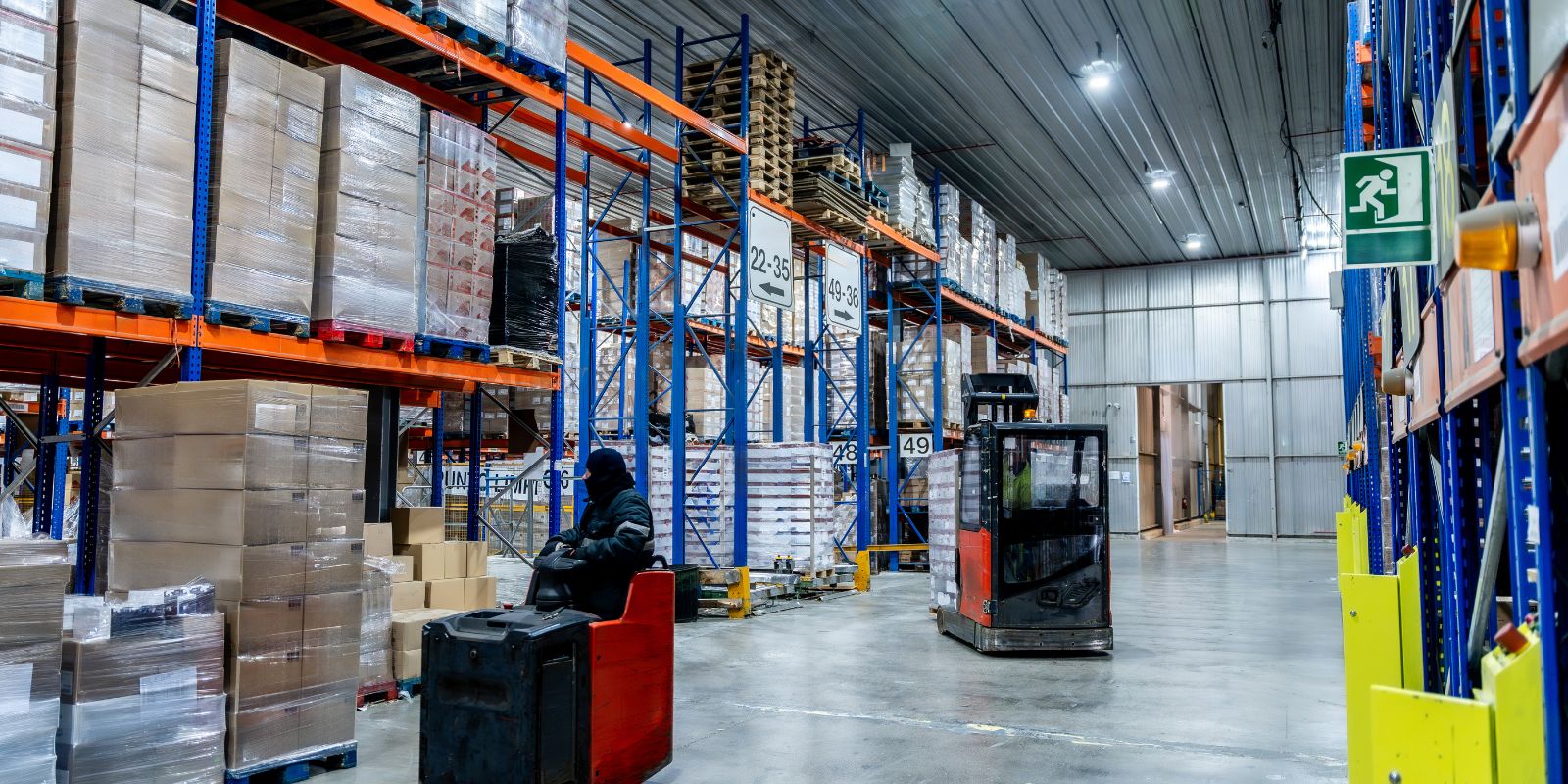
In today’s fast-paced supply chain environment, warehouses are no longer simple storage facilities. They are high-performance operational hubs that drive customer satisfaction, cost control, and competitive advantage. At the center of this transformation lies one critical factor: warehouse talent. Organizations that focus on warehouse talent optimizing operations gain a powerful edge through improved efficiency, accuracy, and scalability.
With e-commerce growth, same-day deliveries, and automation reshaping logistics, the quality of warehouse employees directly affects how smoothly operations run. Hiring the right people, developing their skills, and aligning them with business goals ensures that warehouses can handle volume fluctuations, technology changes, and increasing customer expectations.
The Strategic Importance of Warehouse Talent
Warehouse operations depend heavily on people. Even in highly automated facilities, employees manage inventory systems, coordinate shipments, ensure safety, and solve operational issues. When warehouse talent is aligned with operational goals, businesses experience:
- Faster order processing
- Lower error rates
- Improved safety compliance
- Higher employee retention
- Better customer satisfaction
Talent optimization ensures that every worker, from pickers and packers to supervisors and logistics planners, contributes meaningfully to operational success.
How Warehouse Talent Drives Operational Efficiency
Efficiency in a warehouse is not just about machines and layouts—it is about people executing processes correctly. Skilled warehouse employees understand how to:
- Pick and pack orders accurately
- Manage inventory using warehouse management systems (WMS)
- Coordinate inbound and outbound logistics
- Follow safety and compliance protocols
When companies invest in training and performance management, they reduce downtime, avoid costly mistakes, and improve throughput. Warehouse talent optimizing operations means empowering workers with the skills, tools, and motivation they need to perform at their best.
Recruiting the Right Warehouse Talent
Effective recruitment is the foundation of warehouse success. Businesses must identify candidates who not only have the physical and technical skills but also the right mindset. The most successful warehouse teams include individuals who are:
- Reliable and punctual
- Detail-oriented
- Adaptable to changing workflows
- Comfortable with technology
- Team-focused
Modern recruitment strategies use digital platforms, skill assessments, and data-driven screening to ensure the right fit. Hiring well from the start reduces turnover and creates a strong operational culture.
Training and Upskilling for Warehouse Excellence
The logistics industry is rapidly adopting new technologies such as robotics, barcode scanning, and automated storage systems. To keep pace, warehouse workers must continuously update their skills. Training programs should cover:
- Warehouse management software
- Equipment handling and safety
- Process optimization
- Quality control and accuracy
- Leadership for supervisors
By investing in learning and development, companies ensure that their workforce evolves alongside operational needs. A well-trained team supports warehouse talent optimizing operations by reducing errors and improving speed.
Aligning Workforce Planning with Business Demand
Demand in warehousing fluctuates due to seasons, promotions, and market trends. Workforce planning helps companies ensure the right number of people are available at the right time. This includes:
- Forecasting staffing needs
- Using flexible or temporary labor during peak seasons
- Cross-training employees for multiple roles
- Managing shift schedules effectively
With strong workforce planning, warehouses avoid overstaffing or shortages that slow down operations. This approach ensures smooth workflows and cost efficiency.
Employee Engagement and Retention
High employee turnover is one of the biggest challenges in warehouse operations. When workers leave frequently, productivity drops and training costs increase. Engaged employees, however, stay longer and perform better.
Ways to improve engagement include:
- Clear career growth opportunities
- Recognition and performance rewards
- Safe and supportive work environments
- Fair compensation and benefits
- Open communication
By focusing on retention, companies maintain operational continuity and preserve valuable experience, strengthening warehouse talent optimizing operations.
Using Technology to Support Warehouse Talent
Technology plays a major role in improving how warehouse teams perform. Digital tools help workers complete tasks faster and more accurately. Key technologies include:
- Warehouse Management Systems (WMS)
- Automated picking and sorting
- Mobile scanners and handheld devices
- Performance tracking dashboards
These tools reduce manual errors and provide real-time insights into productivity. When warehouse employees are trained to use these technologies effectively, operations become smoother and more reliable.
Leadership and Supervision in Warehouses
Strong leadership is essential to translate strategy into action. Warehouse supervisors and managers play a critical role in:
- Setting performance expectations
- Monitoring workflow and quality
- Resolving operational issues
- Motivating teams
- Ensuring compliance and safety
Effective leaders create a culture of accountability and continuous improvement. When leadership is aligned with talent strategy, it drives operational excellence across the entire warehouse.
Safety and Compliance as Part of Talent Optimization
Safety is a major component of warehouse operations. Accidents lead to downtime, legal risks, and lower morale. Training employees on safety standards, equipment usage, and emergency procedures protects both workers and business performance.
A safe workforce is a productive workforce. Integrating safety into talent management strengthens warehouse talent optimizing operations by reducing disruptions and building trust.
The Impact of Optimized Warehouse Talent on Business Performance
When warehouse talent is optimized, businesses experience measurable improvements, including:
- Faster order fulfillment
- Reduced returns and errors
- Lower labor costs
- Higher customer satisfaction
- Greater scalability
These outcomes directly affect profitability and brand reputation. In competitive markets, companies that manage warehouse talent strategically outperform those that rely on outdated workforce models.
Future Trends in Warehouse Talent Management
The future of warehousing will combine human expertise with advanced technology. Emerging trends include:
- AI-based workforce scheduling
- Robotics working alongside humans
- Data-driven performance management
- Digital training platforms
- Remote warehouse supervision
Organizations that prepare their workforce for these changes will maintain a strong operational advantage.
Conclusion
Warehouse talent optimizing operations is no longer optional—it is a business necessity. As supply chains become faster, more complex, and more customer-focused, the role of warehouse employees continues to grow. By recruiting the right people, investing in training, using technology, and building strong leadership, organizations can transform their warehouses into high-performance operational centers.