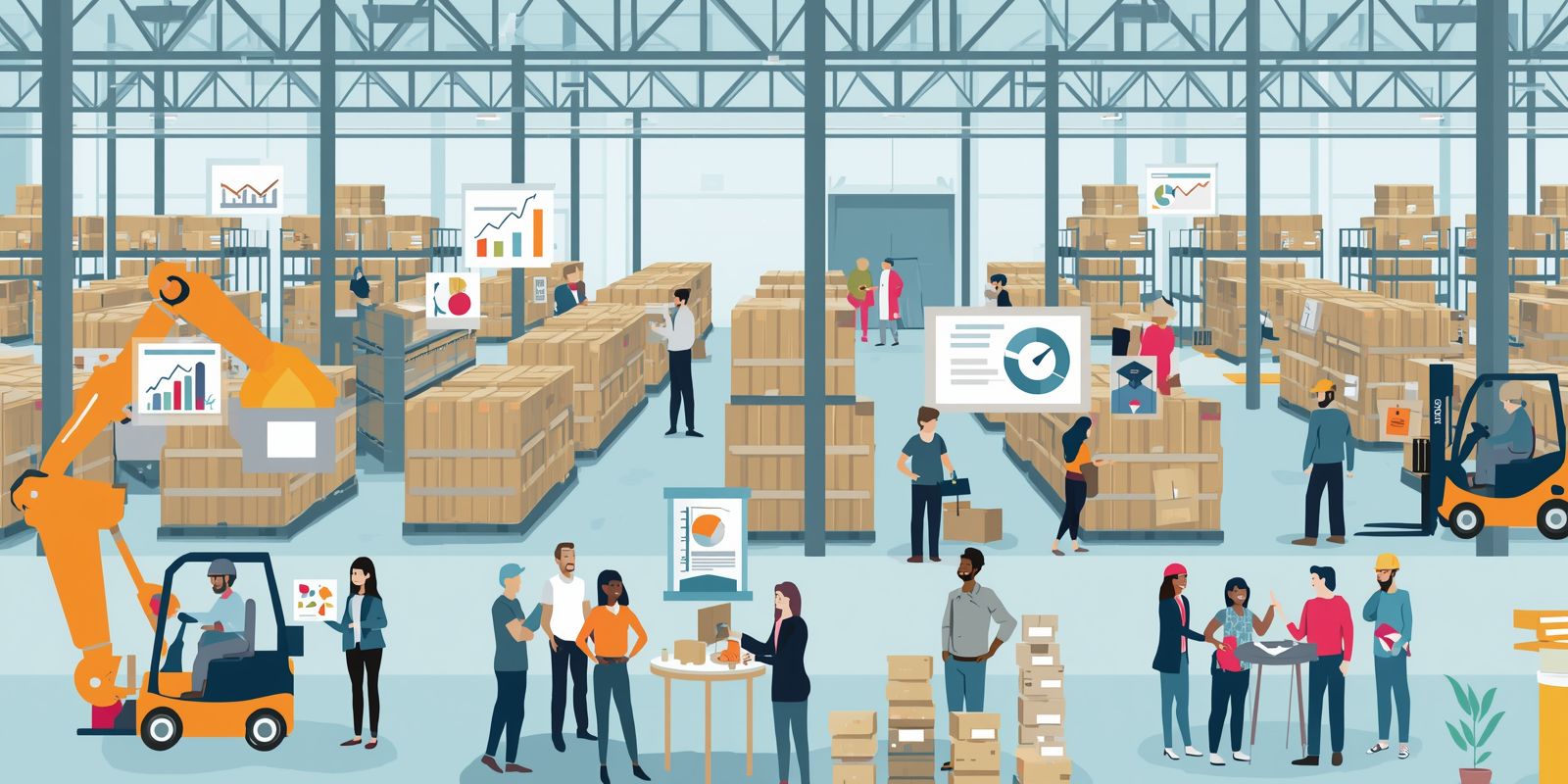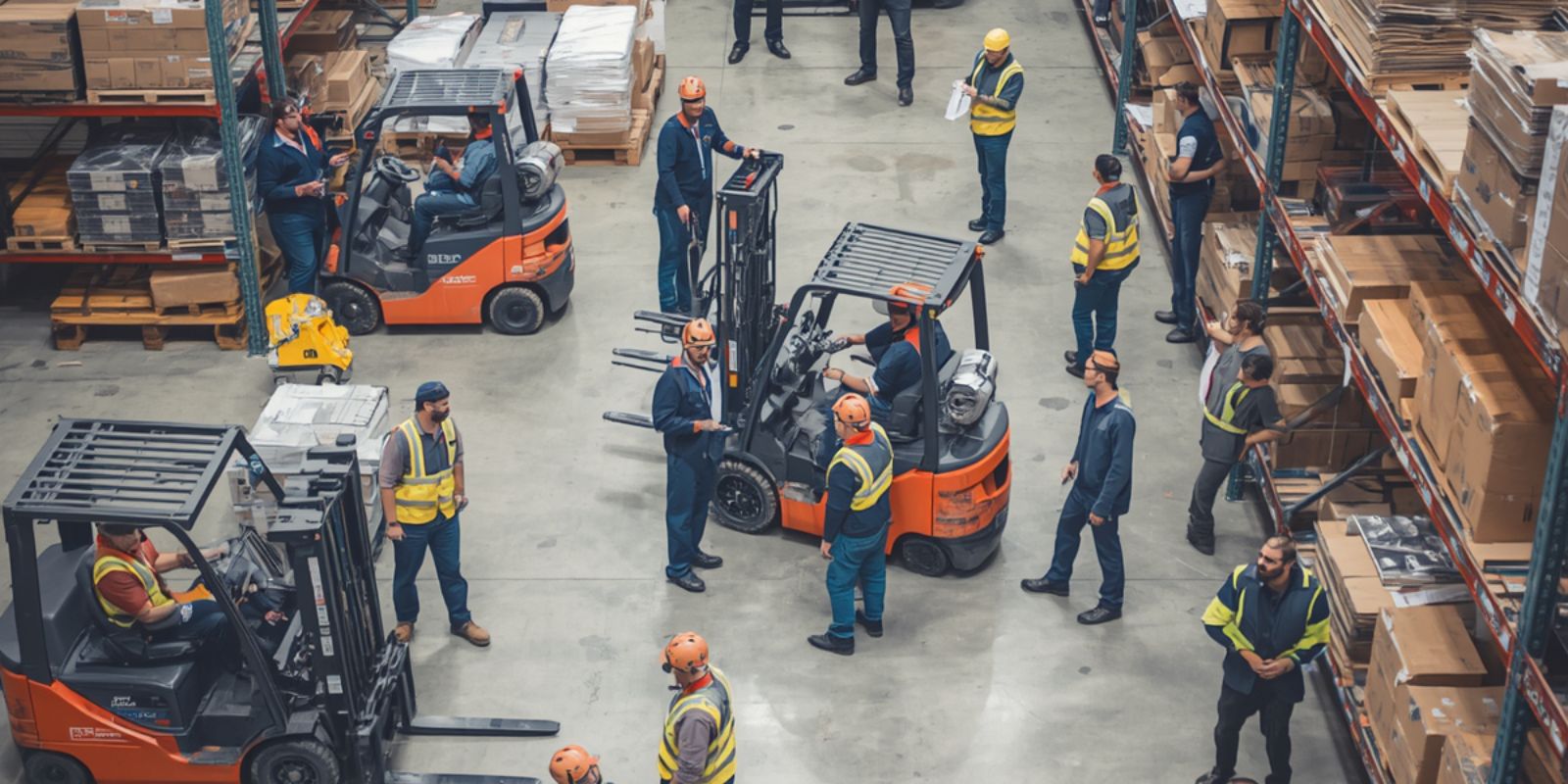
In the modern logistics landscape, warehouses have transformed into highly dynamic and technology-driven environments. They are no longer just storage facilities but vital components of the supply chain that directly influence customer satisfaction, delivery speed, and operational efficiency. At the core of this transformation lies warehouse talent—the workforce that ensures every process runs smoothly, from receiving goods to dispatching orders.
Organizations that recognize the importance of warehouse talent and invest in building a skilled workforce are better positioned to achieve operational excellence and long-term success.
The Evolving Role of Warehouses
With the rise of e-commerce, omnichannel retailing, and global trade, warehouses are under constant pressure to perform faster and more accurately. Customers expect same-day or next-day deliveries, real-time tracking, and error-free orders. Meeting these expectations requires more than just advanced infrastructure—it demands capable and well-trained people.
Warehouse employees today are expected to:
- Operate advanced systems and machinery
- Manage inventory digitally
- Adapt to changing workflows
- Maintain high accuracy under pressure
This shift has elevated the importance of hiring and retaining top warehouse talent.
Why Warehouse Talent Matters
A warehouse’s performance is only as strong as the people running it. Skilled employees bring efficiency, reliability, and innovation to operations.
1. Speed and Efficiency
Talented workers understand processes and complete tasks faster, reducing turnaround times and improving order fulfillment rates.
2. Accuracy and Quality Control
Mistakes in picking, packing, or labeling can lead to returns and customer dissatisfaction. A trained workforce ensures high levels of accuracy.
3. Technology Utilization
Modern warehouses rely on Warehouse Management Systems (WMS), barcode scanners, and automation tools. Skilled workers can leverage these technologies effectively.
4. Cost Optimization
Efficient employees reduce waste, minimize errors, and optimize resource utilization, leading to lower operational costs.
5. Customer Satisfaction
Timely and accurate deliveries enhance customer trust and brand reputation.
Key Warehouse Roles Driving Success
A successful warehouse operation involves multiple roles working together seamlessly:
Warehouse Associates handle day-to-day activities like picking, packing, and shipping orders. Their productivity directly impacts delivery timelines.
Inventory Controllers ensure accurate stock levels, prevent overstocking or stockouts, and maintain inventory records.
Equipment Operators manage forklifts and other machinery, ensuring safe and efficient material movement.
Supervisors and Team Leaders oversee operations, manage staff, and ensure performance targets are met.
Logistics Coordinators connect warehouse activities with transportation and distribution networks.
Each of these roles contributes to operational success in unique ways, making talent management a top priority.
How Warehouse Talent Drives Operational Success
1. Streamlined Operations
A skilled workforce ensures that workflows are optimized, reducing bottlenecks and delays. Employees who understand processes can quickly identify inefficiencies and suggest improvements.
2. Enhanced Productivity
Trained workers can handle higher volumes without compromising quality. This is especially important during peak seasons when demand surges.
3. Reduced Error Rates
Errors in warehouse operations can be costly. Skilled employees minimize mistakes, ensuring accurate order fulfillment and reducing returns.
4. Improved Safety Standards
Warehouses can be hazardous environments. Properly trained employees follow safety protocols, reducing accidents and ensuring compliance with regulations.
5. Greater Adaptability
In a rapidly changing business environment, adaptability is crucial. A skilled workforce can quickly adjust to new technologies, processes, and market demands.
Building a Strong Warehouse Workforce
To achieve operational success, businesses must adopt effective strategies for building and managing warehouse talent.
1. Strategic Hiring
Recruiting the right people is the first step. Companies should look for candidates with:
- Relevant experience
- Technical skills
- Physical endurance
- Problem-solving abilities
Hiring for attitude and willingness to learn is equally important.
2. Training and Development
Continuous learning is essential in modern warehouses. Training programs should cover:
- Safety procedures
- Equipment handling
- Software and systems training
- Process optimization
Upskilling employees ensures they remain productive and efficient.
3. Employee Engagement
Engaged employees are more productive and less likely to leave. Organizations can improve engagement through:
- Incentive programs
- Recognition and rewards
- Clear career paths
- Positive work culture
4. Retention Strategies
High turnover is a common challenge in warehouse operations. Retention strategies include:
- Competitive salaries
- Benefits and job security
- Opportunities for growth
- Work-life balance initiatives
5. Leveraging Technology
Technology enhances workforce efficiency. Automation, robotics, and AI can handle repetitive tasks, allowing employees to focus on higher-value activities.
Challenges in Managing Warehouse Talent
Despite its importance, managing warehouse talent comes with several challenges:
Labor Shortages
Finding skilled workers can be difficult, particularly during peak seasons.
High Attrition Rates
Warehouse jobs often experience frequent employee turnover, disrupting operations.
Skill Gaps
Rapid technological advancements require continuous training and upskilling.
Safety Concerns
Ensuring workplace safety is a constant priority and requires ongoing effort.
Addressing these challenges requires a proactive and strategic approach.
The Role of Leadership
Leadership plays a crucial role in maximizing the potential of warehouse talent. Effective leaders:
- Set clear expectations
- Provide regular feedback
- Encourage teamwork
- Foster innovation
Strong leadership creates a motivated workforce that is aligned with organizational goals.
Future Trends in Warehouse Talent
The future of warehouse operations will continue to evolve with advancements in technology and changing business needs.
Automation and Robotics
Automation will handle repetitive tasks, while humans focus on decision-making and problem-solving.
Data-Driven Workforce Management
Analytics will help optimize staffing levels and improve performance.
Flexible Workforce Models
Temporary and gig workers will play a larger role in meeting fluctuating demand.
Focus on Employee Well-being
Companies will invest more in improving working conditions and employee satisfaction.
Organizations that embrace these trends will gain a competitive advantage.
Conclusion
Warehouse talent is the backbone of operational success in today’s logistics-driven world. A skilled and motivated workforce ensures efficiency, accuracy, and adaptability, enabling businesses to meet customer expectations and stay competitive.
By focusing on strategic hiring, continuous training, employee engagement, and technology integration, organizations can build a strong warehouse workforce that drives long-term growth. In an increasingly complex supply chain environment, investing in people is not just a necessity—it is a key differentiator for success.