Introduction
Industrial operations are the backbone of global economic growth, encompassing manufacturing, logistics, warehousing, construction, and heavy industries. As industries evolve with digital transformation, automation, and globalization, the demand for skilled talent has become more critical than ever. However, organizations often struggle to find, manage, and retain the right workforce to meet operational demands. This is where talent solutions for industrial operations play a vital role.
Talent solutions go beyond traditional hiring practices. They involve strategic workforce planning, skill development, technology integration, and flexible staffing models to ensure businesses can operate efficiently and scale effectively. In today’s competitive environment, companies must adopt innovative approaches to workforce management to stay ahead.
Understanding Talent Solutions in Industrial Operations
Talent solutions refer to a comprehensive set of strategies designed to attract, develop, and retain a skilled workforce tailored to industrial needs. These solutions are customized based on operational goals, industry requirements, and workforce trends.
Key components include:
- Workforce planning
- Recruitment and staffing
- Training and development
- Performance management
- Workforce analytics
- Compliance and safety management
Industrial operations require a diverse workforce ranging from skilled technicians and machine operators to engineers and supply chain professionals. A well-structured talent solution ensures that all these roles are filled efficiently and effectively.
Importance of Talent Solutions in Industrial Operations
1. Addressing Skill Gaps
One of the biggest challenges in industrial sectors is the widening skill gap. As technologies such as automation, robotics, and AI become more prevalent, the demand for technically skilled workers increases. Talent solutions help identify skill gaps and provide targeted training programs to bridge them.
2. Enhancing Productivity
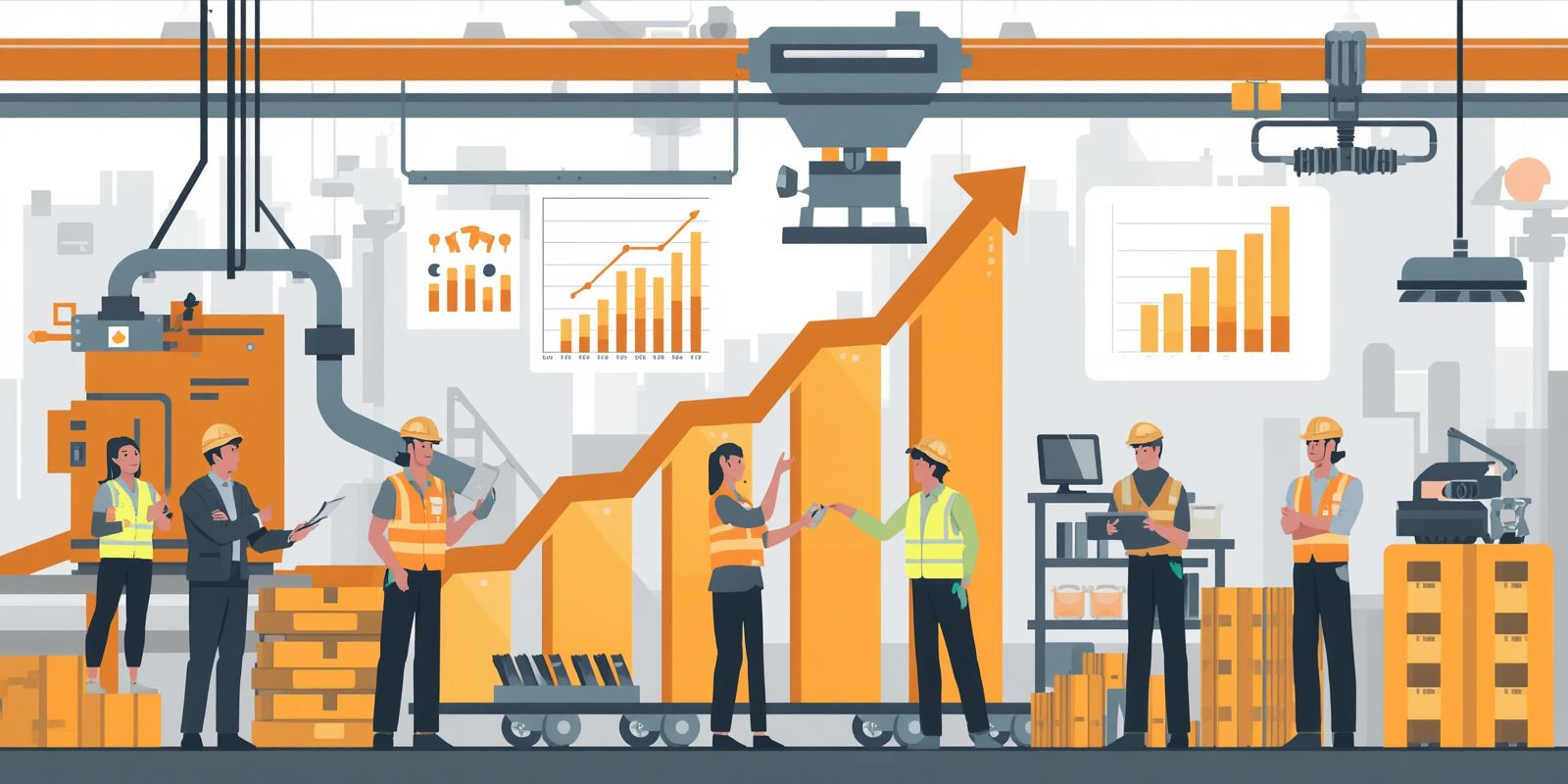
A well-trained and properly managed workforce leads to improved productivity. Talent solutions ensure that employees are placed in roles that match their skills and capabilities, resulting in higher efficiency and reduced downtime.
3. Improving Workforce Flexibility
Industrial operations often face fluctuating demand. Talent solutions enable companies to adopt flexible staffing models such as temporary staffing, contract hiring, and gig workforce integration. This flexibility helps businesses scale operations up or down as needed.
4. Ensuring Compliance and Safety
Safety is a top priority in industrial environments. Talent solutions include training programs and compliance management systems to ensure workers adhere to safety standards and regulations, reducing the risk of accidents.
Key Talent Solutions Strategies
1. Strategic Workforce Planning
Workforce planning involves forecasting labor requirements based on production goals and market demand. By analyzing data and trends, organizations can ensure they have the right number of employees with the right skills at the right time.
2. Recruitment and Talent Acquisition
Modern recruitment strategies leverage digital platforms, AI-driven tools, and data analytics to identify and attract top talent. Employer branding also plays a crucial role in attracting skilled workers in competitive markets.
3. Upskilling and Reskilling
Continuous learning is essential in industrial operations. Companies invest in training programs to upskill existing employees and reskill them for new roles as technologies evolve. This not only improves efficiency but also boosts employee morale and retention.
4. Technology Integration
Advanced technologies such as workforce management systems, HR analytics, and automation tools are integral to modern talent solutions. These technologies streamline processes, improve decision-making, and enhance overall workforce management.
5. Performance Management
Regular performance evaluations help identify high-performing employees and areas for improvement. Talent solutions include performance tracking systems and feedback mechanisms to ensure continuous growth and development.
Role of Technology in Talent Solutions
Technology is transforming the way industrial workforce management is handled. Key technological advancements include:
- Artificial Intelligence (AI): Used for candidate screening, predictive analytics, and workforce planning.
- Automation Tools: Help streamline repetitive tasks and improve efficiency.
- Data Analytics: Provides insights into workforce performance, turnover rates, and productivity.
- Digital Platforms: Enable remote hiring, onboarding, and training.
These technologies not only improve efficiency but also help organizations make data-driven decisions, leading to better outcomes.
Challenges in Implementing Talent Solutions
Despite the benefits, implementing talent solutions comes with challenges:
1. Resistance to Change
Employees and management may resist new technologies and processes. Effective change management strategies are required to overcome this.
2. High Implementation Costs
Investing in technology and training programs can be expensive. However, the long-term benefits often outweigh the initial costs.
3. Talent Shortage
Finding skilled workers remains a challenge, especially in specialized roles. Companies must adopt innovative recruitment strategies to overcome this issue.
4. Retention Issues
High turnover rates can disrupt operations. Talent solutions must include strategies for employee engagement and retention.
Best Practices for Effective Talent Solutions
To successfully implement talent solutions in industrial operations, organizations should follow these best practices:
- Adopt a Data-Driven Approach: Use analytics to make informed decisions.
- Focus on Employee Experience: Provide a positive work environment and growth opportunities.
- Invest in Training: Continuous learning is key to staying competitive.
- Leverage Technology: Use advanced tools to streamline processes.
- Build Strong Leadership: Effective leadership drives workforce success.
Future Trends in Industrial Talent Solutions
The future of talent solutions in industrial operations is shaped by emerging trends:
1. Increased Automation
Automation will continue to reshape job roles, requiring new skill sets and training programs.
2. Gig Workforce Expansion
More companies will rely on freelance and contract workers to meet operational demands.
3. Focus on Sustainability
Organizations will prioritize sustainable practices, including workforce management strategies that promote well-being and work-life balance.
4. Remote and Hybrid Work Models
While industrial operations are largely on-site, certain roles such as planning, management, and analytics can adopt remote or hybrid models.
5. Diversity and Inclusion
Companies will focus on building diverse and inclusive workforces to drive innovation and growth.
Conclusion
Talent solutions for industrial operations are no longer optional—they are essential for business success. As industries continue to evolve, organizations must adopt innovative workforce strategies to remain competitive. From strategic workforce planning and advanced recruitment techniques to continuous training and technology integration, talent solutions provide a comprehensive approach to managing industrial workforces.
By addressing skill gaps, enhancing productivity, and ensuring workforce flexibility, these solutions enable businesses to achieve operational excellence. Companies that invest in robust talent solutions will be better equipped to navigate challenges, seize opportunities, and drive sustainable growth in the ever-changing industrial landscape.