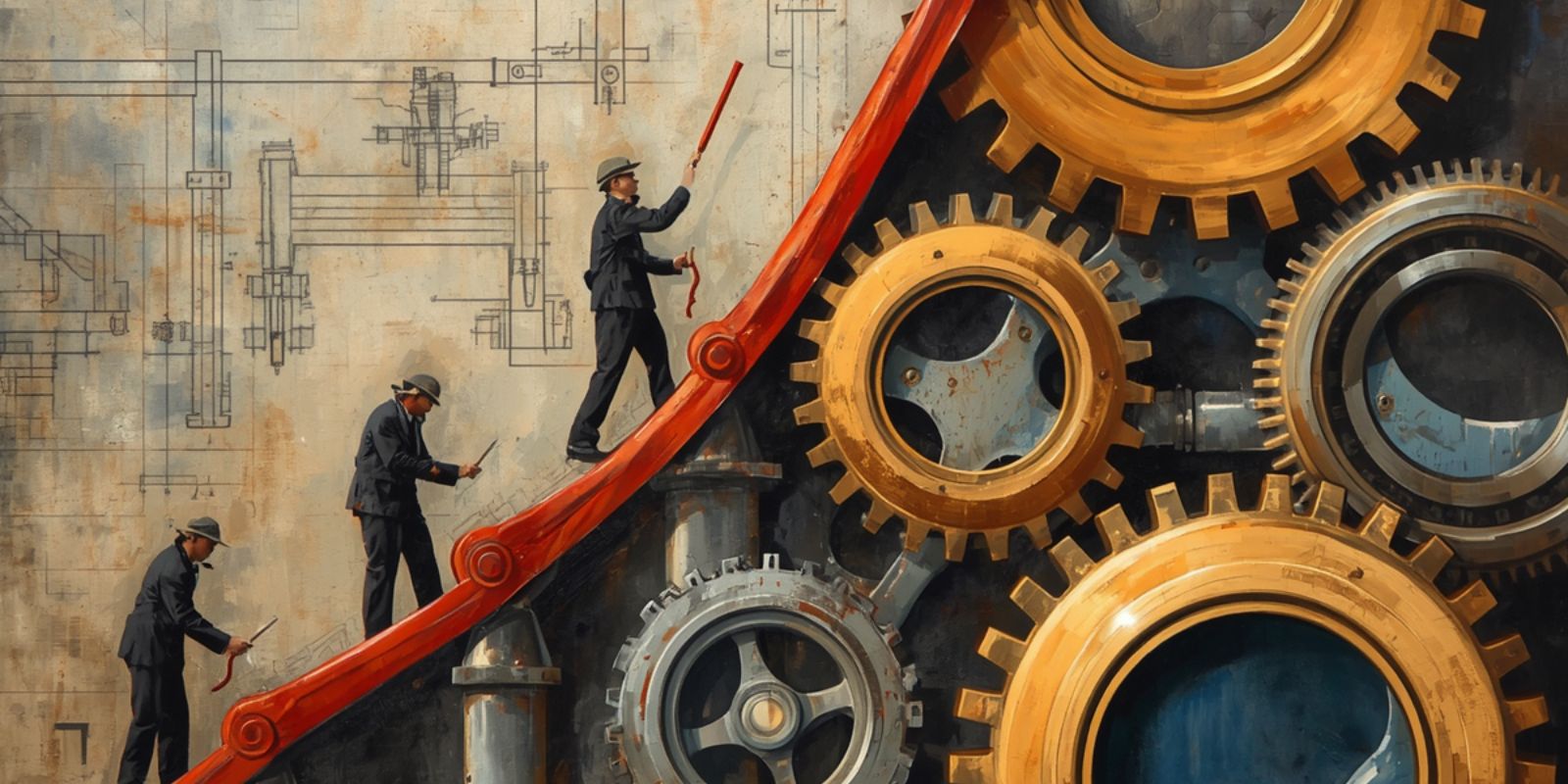
In today’s fast-changing business environment, organizations no longer succeed simply by hiring skilled people. They succeed by ensuring the right people are in the right roles, working toward the right goals. This is where talent alignment driving organizational performance becomes a critical competitive advantage. When employee capabilities, business strategy, and organizational culture are aligned, companies achieve higher productivity, stronger engagement, and sustainable growth.
Talent alignment is not just an HR initiative—it is a leadership and business strategy that directly impacts profitability, innovation, and customer satisfaction. Organizations that master talent alignment outperform competitors by responding faster to market changes, delivering consistent value, and building a workforce that is both motivated and future-ready.
Understanding Talent Alignment
Talent alignment refers to the process of matching employee skills, behaviors, and career aspirations with the organization’s strategic goals. It goes beyond recruitment and includes how people are developed, managed, and rewarded.
When talent is aligned:
- Employees understand how their work contributes to business goals
- Leaders deploy people where they create the most value
- Teams collaborate effectively toward shared objectives
When alignment is missing, even the most talented employees can underperform. Misplaced skills, unclear expectations, and disconnected goals lead to wasted effort, disengagement, and high turnover.
Why Talent Alignment Drives Organizational Performance
Organizations are systems where people, processes, and strategy must work together. Talent alignment acts as the bridge between business plans and execution.
Here’s how it directly impacts performance:
1. Higher Productivity
When employees are in roles that match their strengths, they complete tasks faster and with higher quality. They make fewer errors, require less supervision, and feel confident in their contributions.
2. Improved Employee Engagement
Aligned employees feel a sense of purpose. They know their work matters and how it connects to organizational success. This leads to higher motivation, loyalty, and discretionary effort.
3. Better Decision-Making
When teams have the right mix of skills and leadership, decisions are made using accurate insights and diverse perspectives. This reduces risks and improves outcomes.
4. Stronger Customer Experience
Employees who understand company goals and customer priorities deliver more consistent service, strengthening brand reputation and customer loyalty.
Aligning Talent With Business Strategy
For talent alignment to truly drive organizational performance, it must start with business strategy. HR leaders and executives need to work together to answer three key questions:
- What are our business goals?
Whether it is expansion, innovation, cost leadership, or customer service excellence, strategy defines the skills required. - What capabilities do we need?
Each strategic goal requires specific competencies—technical expertise, leadership, digital skills, or problem-solving abilities. - Do we have the right people in the right roles?
This requires workforce planning, skills mapping, and continuous evaluation.
By clearly defining these elements, organizations can ensure their talent investments directly support performance objectives.
Role Clarity and Performance Alignment
One of the most overlooked aspects of talent alignment is role clarity. Even skilled employees struggle when expectations are unclear.
Organizations should:
- Define responsibilities and success measures for each role
- Connect individual objectives to team and organizational goals
- Regularly review and update job roles as business needs change
When people know what success looks like and how their work supports the company, they perform with greater confidence and accountability.
Leadership’s Role in Talent Alignment
Leaders play a central role in driving alignment. Their actions, communication, and decisions shape how people work and collaborate.
Effective leaders:
- Communicate strategic priorities clearly
- Provide regular feedback and coaching
- Recognize and reward aligned behaviors
- Encourage collaboration across departments
When leadership is aligned with talent strategy, employees feel supported and guided, leading to higher performance and trust across the organization.
Learning and Development as an Alignment Tool
Talent alignment is not static—it evolves as markets, technologies, and customer needs change. Continuous learning ensures employees grow along with the business.
Organizations that invest in learning:
- Build future-ready skills
- Increase internal mobility
- Reduce skill gaps
- Strengthen employee loyalty
Targeted training programs, mentoring, and leadership development help keep people aligned with both current and future organizational needs.
Performance Management and Talent Alignment
A strong performance management system reinforces alignment by ensuring employees are evaluated and rewarded based on the right criteria.
Key elements include:
- Goal setting linked to strategy
- Regular performance check-ins
- Fair and transparent evaluations
- Recognition for high-impact contributions
When performance metrics reflect what truly matters to the organization, employees focus their efforts in the right direction.
Culture and Talent Alignment
Organizational culture plays a powerful role in shaping behavior. A culture that values collaboration, accountability, and continuous improvement supports strong alignment.
When culture and talent strategy are aligned:
- Employees behave in ways that support business goals
- Teams work together more effectively
- Change is adopted more easily
A positive, purpose-driven culture helps retain top talent and keeps the workforce focused on shared success.
Technology Supporting Talent Alignment
Modern HR and analytics tools make it easier to track skills, performance, and engagement. These insights help organizations make smarter talent decisions.
Technology enables:
- Skills mapping and workforce planning
- Data-driven recruitment
- Performance tracking
- Personalized learning paths
By using data, companies can continuously improve how talent is aligned with business needs.
Measuring the Impact of Talent Alignment
To ensure that talent alignment is truly driving organizational performance, companies must track key metrics such as:
- Employee engagement scores
- Productivity levels
- Turnover rates
- Time-to-fill and internal mobility
- Customer satisfaction
Improvements in these areas often reflect stronger alignment between people and strategy.
Overcoming Common Talent Alignment Challenges
Some organizations struggle with:
- Siloed departments
- Outdated job roles
- Resistance to change
- Lack of leadership involvement
These challenges can be overcome by promoting collaboration, updating workforce strategies, and involving leaders at every stage of the talent lifecycle.
The Long-Term Value of Talent Alignment
When talent alignment becomes part of the organization’s DNA, performance improvements are sustained over time. The workforce becomes more adaptable, innovative, and resilient.
Companies with strong alignment:
- Respond faster to market changes
- Attract and retain top talent
- Build strong leadership pipelines
- Deliver consistent business results
In a world where skills and expectations constantly evolve, alignment is what keeps organizations moving forward.
Conclusion
Talent alignment driving organizational performance is not a one-time initiative—it is a continuous strategic process. By aligning people, roles, leadership, and culture with business goals, organizations unlock the full potential of their workforce. The result is higher productivity, stronger engagement, and lasting competitive advantage.