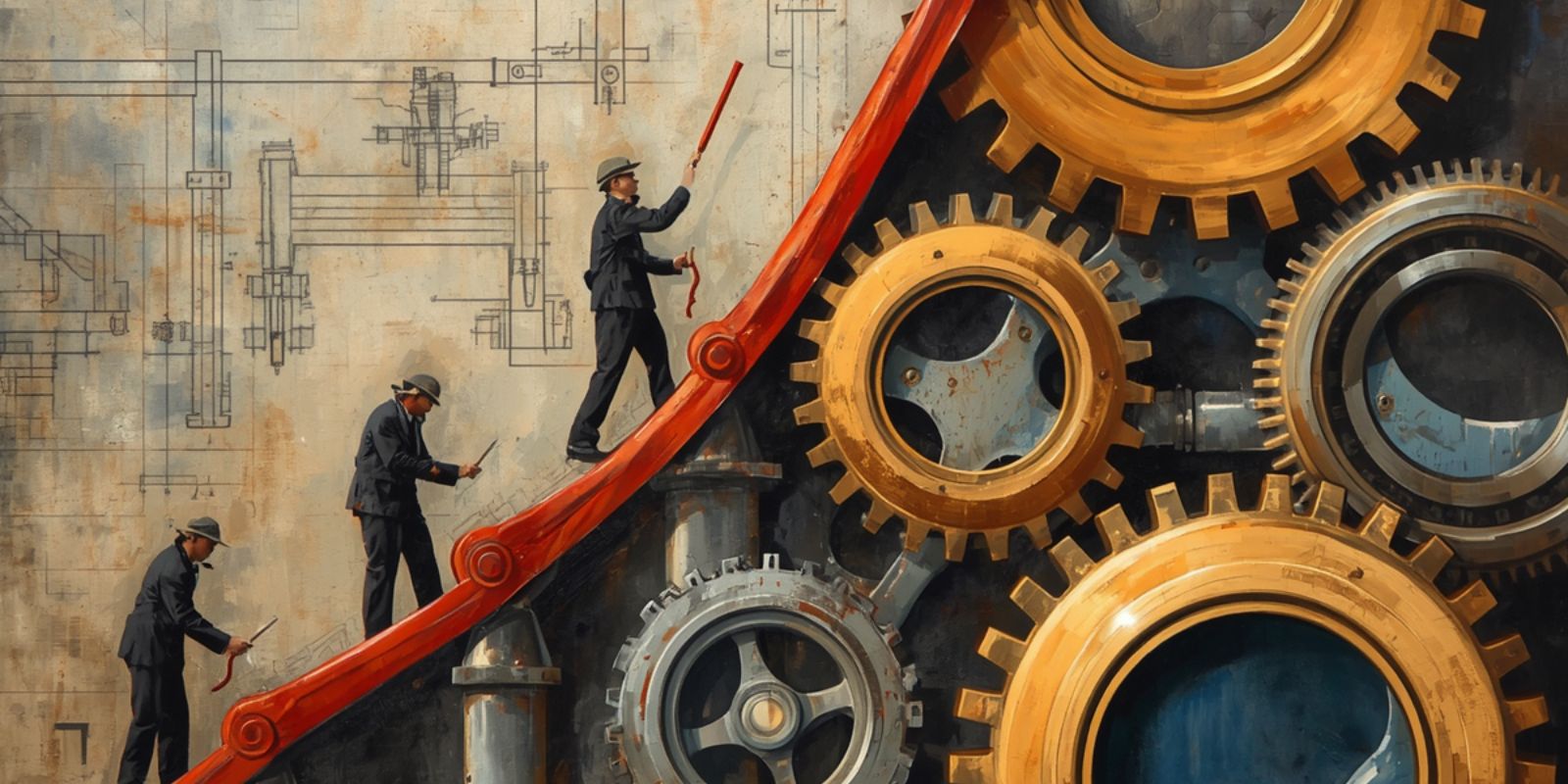
In today’s hyper-connected global economy, supply chains are no longer just support functions—they are competitive weapons. Businesses that scale successfully do not rely only on technology, infrastructure, or capital. They rely on people. A well-designed supply chain workforce enables organizations to respond quickly to market changes, manage increasing volumes, and deliver consistent customer satisfaction. As companies expand into new markets and handle greater operational complexity, building a scalable supply chain workforce becomes essential for long-term growth and stability.
Scalability in supply chain operations means having the ability to increase or decrease capacity without losing efficiency or service quality. This can only be achieved when the workforce is flexible, well-trained, and strategically aligned with business objectives. From warehouse associates and transportation planners to procurement professionals and supply chain analysts, every role contributes to the system’s ability to scale.
Why Workforce Scalability Matters in Supply Chains
Traditional supply chain models were built for stability, not rapid growth. However, modern markets demand agility. Seasonal demand spikes, e-commerce growth, global sourcing, and changing consumer expectations require supply chains to expand and contract at speed. Without a scalable workforce, companies face delays, rising costs, quality issues, and customer dissatisfaction.
A scalable supply chain workforce ensures that businesses can meet demand without overstaffing or burning out employees. It allows organizations to add new facilities, increase production, and handle higher order volumes while maintaining operational efficiency. Most importantly, it creates resilience—the ability to adapt when disruptions occur, whether due to supply shortages, transportation issues, or unexpected surges in demand.
Core Components of a Scalable Supply Chain Workforce
1. Strategic Workforce Planning
Scalability begins with foresight. Organizations must analyze future demand, expansion plans, and market trends to anticipate workforce needs. Strategic workforce planning ensures the right people are available at the right time and in the right locations. This includes forecasting hiring needs, identifying skills gaps, and preparing for new technologies or operational changes.
By aligning workforce plans with business growth goals, supply chain leaders can avoid costly staffing shortages or excess labor. A proactive approach helps organizations scale smoothly instead of reacting to crises.
2. Skills-Based Talent Development
A scalable workforce is not just about having more people—it is about having capable people. As supply chains become more digital and data-driven, employees must possess a mix of technical, analytical, and operational skills. Cross-training, continuous learning, and leadership development programs ensure workers can move into new roles as the organization grows.
When employees are multi-skilled, companies can shift resources quickly to meet changing needs. This flexibility reduces dependency on external hiring and improves operational continuity.
3. Flexible Staffing Models
Scalability requires flexibility. A combination of full-time staff, temporary workers, contract employees, and outsourced partners allows companies to adjust workforce size based on demand. During peak seasons, such as holidays or promotional campaigns, businesses can scale up quickly. During slower periods, they can reduce costs without long-term commitments.
Flexible staffing models help maintain efficiency while protecting profit margins. They also ensure customer service levels remain high regardless of volume fluctuations.
4. Technology-Enabled Workforce Management
Modern workforce management tools are essential for scalable supply chains. These systems track performance, schedule labor, forecast workloads, and monitor productivity in real time. Technology allows managers to deploy labor where it is needed most and quickly respond to operational changes.
Digital platforms also improve communication, reduce errors, and provide valuable insights for continuous improvement. A technology-enabled workforce is faster, more accurate, and more scalable.
Leadership’s Role in Workforce Scalability
Strong leadership is the backbone of a scalable supply chain workforce. Leaders set the vision, define priorities, and create a culture of adaptability. They ensure that growth initiatives are supported by the right people and processes.
Effective supply chain leaders focus on:
- Empowering teams to make decisions
- Encouraging innovation and problem-solving
- Supporting training and career growth
- Maintaining clear communication during expansion
When leaders invest in their people, they create a workforce that is not only capable of handling growth but eager to embrace it.
Building a Culture That Supports Scalability
A scalable workforce thrives in a culture that values learning, accountability, and collaboration. Employees must feel confident that they can grow with the organization. When workers understand how their roles contribute to larger business goals, they become more engaged and motivated.
A culture of continuous improvement allows teams to refine processes, eliminate inefficiencies, and adapt to new challenges. This mindset is critical for scaling operations without sacrificing quality or performance.
Managing Risk Through Workforce Readiness
Supply chain disruptions are inevitable, but their impact can be minimized with a prepared workforce. Scalable organizations invest in succession planning, skills diversification, and knowledge sharing. This ensures that operations continue even when key employees leave or when unexpected events occur.
A well-prepared workforce reduces dependency on individuals and creates organizational stability. This resilience supports both growth and long-term sustainability.
The Business Impact of a Scalable Supply Chain Workforce
A scalable workforce delivers measurable business benefits:
- Higher productivity through optimized labor allocation
- Lower operational costs by reducing overtime and inefficiencies
- Faster growth through quicker expansion into new markets
- Improved customer satisfaction through reliable service
- Greater profitability by aligning labor costs with demand
When people, processes, and technology work together, the supply chain becomes a powerful growth engine.
Future Trends in Supply Chain Workforce Scalability
The future of supply chain work will be shaped by automation, data analytics, and artificial intelligence. However, people will remain at the center. The most successful organizations will blend advanced technology with skilled, adaptable employees.
Trends such as remote planning teams, digital training platforms, and predictive workforce analytics will further enhance scalability. Companies that invest now in their workforce will be best positioned to thrive in tomorrow’s supply chain environment.
Conclusion
A Supply Chain Workforce for Scalability is not built overnight—it is the result of strategic planning, continuous learning, strong leadership, and flexible staffing. As businesses grow, their supply chains must evolve, and that evolution depends on people. Organizations that prioritize workforce development, embrace technology, and foster a culture of adaptability will be able to scale efficiently and sustainably.