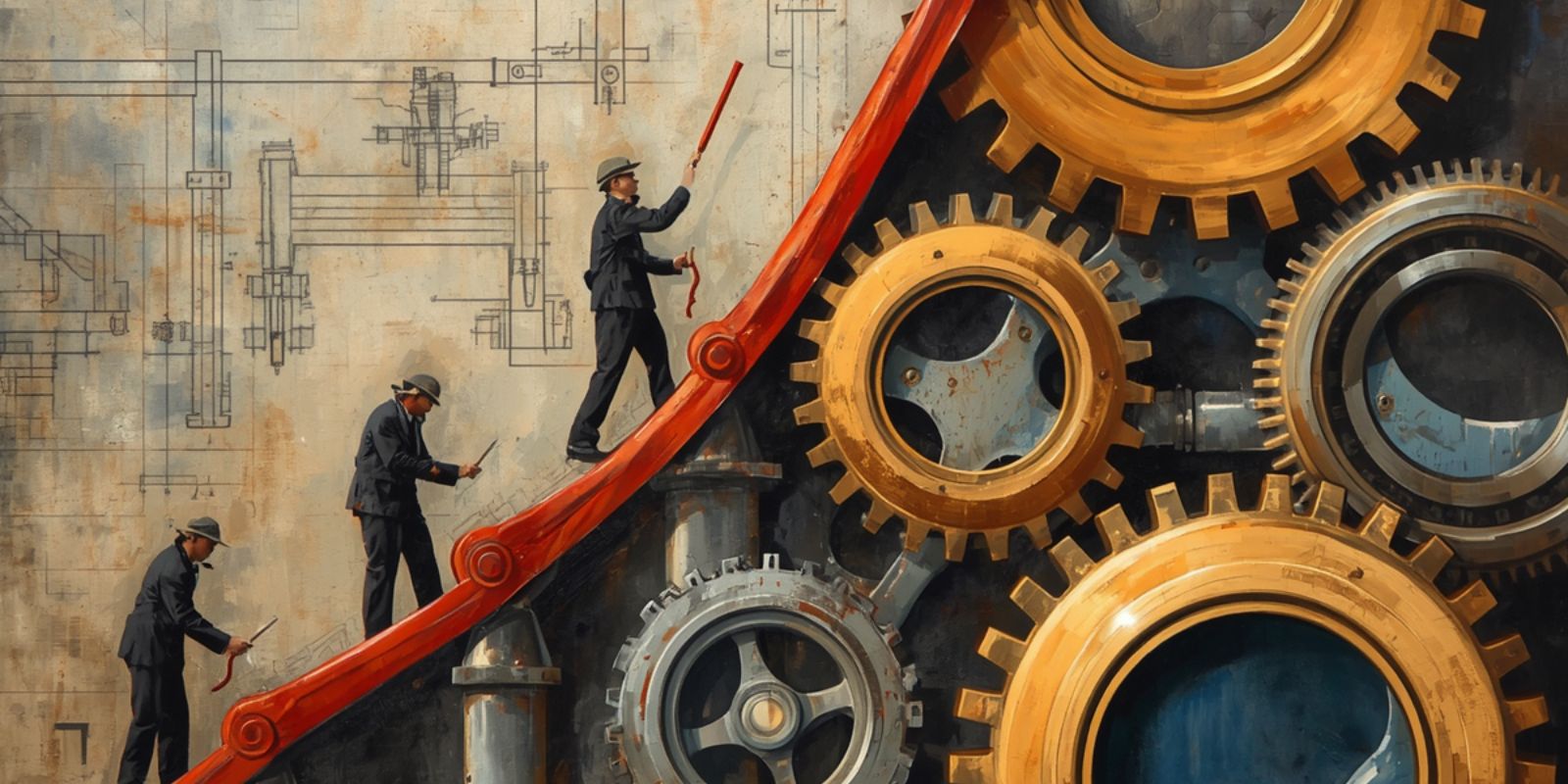
In today’s rapidly evolving business environment, growth is no longer achieved simply through increased sales or expanded operations. Sustainable growth depends heavily on an organization’s ability to build, manage, and evolve its workforce in alignment with long-term objectives. This is where strategic workforce planning for growth becomes a powerful driver of success. It allows organizations to anticipate future talent needs, close skills gaps, and ensure the right people are in the right roles at the right time.
Rather than reacting to staffing shortages or skills mismatches, forward-thinking businesses use strategic workforce planning to stay ahead of change. Whether a company is expanding into new markets, adopting new technologies, or optimizing operations, workforce planning ensures that human capital supports every phase of growth.
Understanding Strategic Workforce Planning
Strategic workforce planning is the process of analyzing current workforce capabilities, forecasting future talent requirements, and creating action plans to bridge any gaps. It aligns people strategies with business objectives so that growth plans are realistic and achievable.
Traditional workforce planning focused primarily on headcount. In contrast, modern strategic workforce planning emphasizes skills, productivity, adaptability, and long-term workforce sustainability. It considers factors such as digital transformation, automation, demographic changes, and evolving employee expectations.
When workforce planning is aligned with growth strategies, organizations avoid costly hiring mistakes, reduce turnover, and improve overall performance.
Why Strategic Workforce Planning Drives Growth
Growth brings complexity. New customers, new products, and new markets require new capabilities. Without a clear workforce plan, organizations struggle to keep up with increasing demands.
Strategic workforce planning for growth ensures:
- The right skills are available when needed
- Leadership pipelines are ready for expansion
- Operational teams can scale efficiently
- Talent investments deliver measurable returns
By linking workforce planning to business goals, companies can grow faster and with greater stability.
Aligning Talent with Business Strategy
One of the most important elements of strategic workforce planning is alignment. Growth strategies fail when people strategies move in a different direction. For example, a company planning to expand digitally needs more data analysts, software engineers, and cybersecurity specialists—not just more general staff.
Workforce planners must understand business priorities such as:
- Market expansion
- Product innovation
- Customer experience improvement
- Cost optimization
- Automation and digitalization
With this understanding, organizations can design workforce plans that directly support these objectives.
Forecasting Future Workforce Needs
Accurate forecasting is at the heart of workforce planning. Organizations must analyze trends such as:
- Projected business growth
- Technological change
- Employee retirement and attrition
- New skill requirements
- Industry and market shifts
By using data and scenario planning, companies can anticipate what their workforce will look like in one, three, or five years. This helps leaders avoid talent shortages that slow growth or excess hiring that increases costs.
Identifying and Closing Skills Gaps
As businesses grow, skills gaps naturally emerge. New systems, new processes, and new markets require different expertise. Strategic workforce planning identifies where current employee skills fall short of future needs.
Once gaps are identified, organizations can use several strategies to close them:
- Upskilling and reskilling existing employees
- Hiring specialized talent
- Using contingent or contract workers
- Partnering with training providers
- Building leadership development programs
This proactive approach keeps the workforce aligned with growth objectives while boosting employee engagement and retention.
Building a Scalable Workforce Model
Growth requires flexibility. A rigid workforce structure limits how quickly an organization can respond to opportunities. Strategic workforce planning encourages scalable staffing models that include a mix of:
- Full-time employees
- Project-based teams
- Temporary and contract workers
- Outsourced functions
- Technology-driven automation
This hybrid approach allows companies to scale up or down based on market conditions while maintaining operational efficiency.
Supporting Leadership and Succession Planning
As organizations grow, leadership demands increase. New departments, new locations, and new teams require capable leaders. Without succession planning, growth can be disrupted by leadership gaps.
Strategic workforce planning integrates leadership development by identifying high-potential employees, preparing them for future roles, and ensuring continuity. This creates a strong internal talent pipeline that supports long-term growth.
Enhancing Workforce Productivity
Growth is not only about adding more people—it’s about maximizing the impact of every employee. Strategic workforce planning helps organizations deploy talent more effectively by:
- Matching skills to roles
- Reducing workload imbalances
- Eliminating redundant positions
- Improving team structures
- Integrating technology to increase efficiency
When employees are placed in roles that match their strengths, productivity rises and growth accelerates.
Using Workforce Analytics for Better Decisions
Data plays a vital role in modern workforce planning. Organizations now use analytics to track performance, predict turnover, and assess skills availability. These insights allow leaders to make informed hiring, training, and deployment decisions.
Workforce analytics also help measure the success of growth strategies by linking talent investments to business outcomes.
Managing Risk Through Workforce Planning
Unplanned turnover, talent shortages, or skills mismatches can slow or derail growth. Strategic workforce planning reduces risk by preparing for multiple scenarios. Whether it is rapid expansion, economic uncertainty, or technology disruption, a strong workforce plan ensures resilience.
Companies with strong workforce planning are better equipped to adapt without sacrificing performance or customer satisfaction.
Creating a Culture that Supports Growth
A growth-oriented workforce is built on culture. Strategic workforce planning promotes learning, adaptability, and continuous improvement. When employees understand growth goals and see clear career pathways, they become more engaged and motivated.
This creates a positive cycle where employee development supports business growth, and growth creates new opportunities for employees.
Conclusion
Strategic workforce planning for growth is no longer optional—it is essential. In a competitive and fast-changing business world, organizations must align their people strategies with their ambitions. By forecasting future needs, closing skills gaps, building scalable workforce models, and developing leadership pipelines, businesses can grow with confidence.