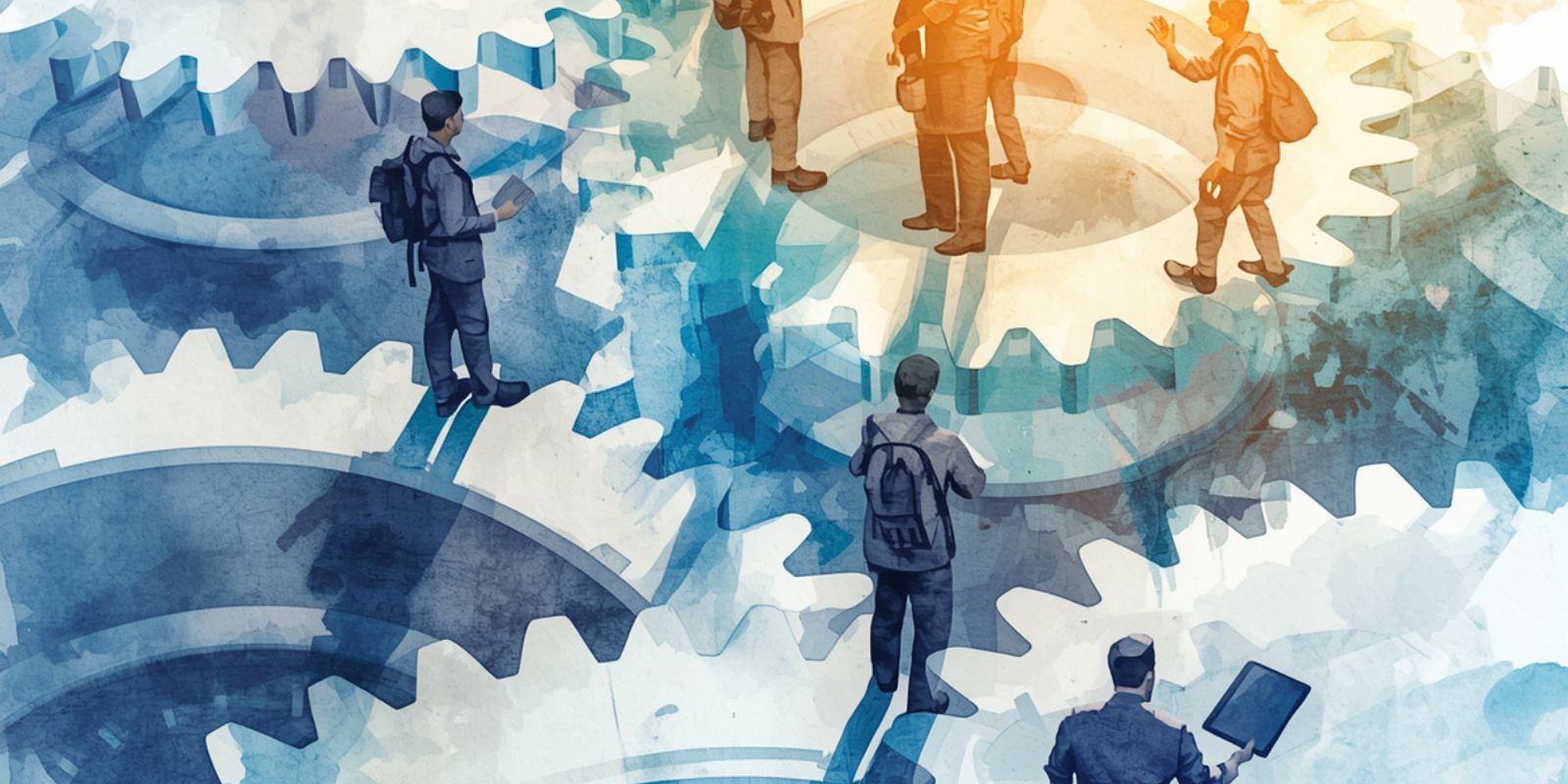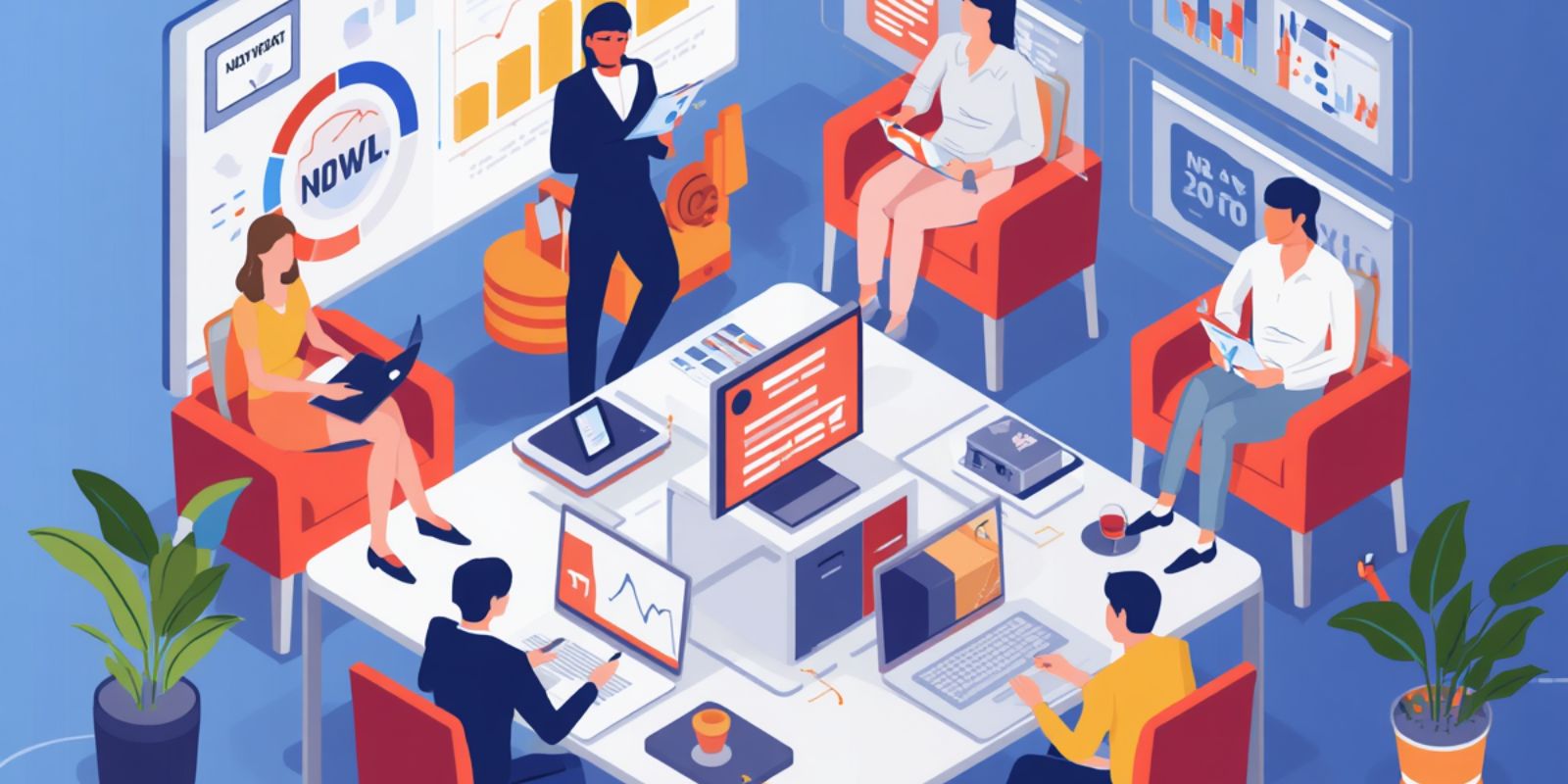
In today’s fast-paced and highly competitive business environment, enterprises must continuously evolve to remain relevant and successful. One of the most critical components of organizational success is having the right workforce in place. Strategic staffing models have emerged as a powerful approach to ensure that companies can effectively align their talent acquisition and workforce planning with long-term business goals. Rather than focusing solely on filling vacancies, strategic staffing emphasizes planning, flexibility, and proactive decision-making.
Understanding Strategic Staffing
Strategic staffing is a long-term approach to managing human resources that aligns workforce capabilities with business objectives. It involves forecasting future talent needs, identifying skill gaps, and implementing hiring strategies that ensure the organization has the right people at the right time. Unlike traditional hiring methods, which are reactive, strategic staffing is proactive and data-driven.
Enterprises that adopt strategic staffing models are better equipped to handle market changes, technological advancements, and evolving customer expectations. This approach ensures that businesses can maintain productivity, improve employee retention, and drive sustainable growth.
Importance of Strategic Staffing Models
Strategic staffing is not just about hiring employees—it is about building a workforce that contributes to organizational success. Enterprises benefit from strategic staffing in several ways:
- Improved Workforce Planning
Organizations can anticipate future workforce requirements and avoid last-minute hiring challenges. This helps in maintaining operational efficiency and reduces disruptions. - Cost Optimization
Hiring the right talent at the right time minimizes recruitment costs and reduces employee turnover, saving both time and money. - Enhanced Productivity
Employees with the right skills and competencies perform better, leading to improved productivity and overall business performance. - Better Talent Retention
Strategic staffing focuses on employee engagement and career development, which helps retain top talent. - Competitive Advantage
Enterprises with strong staffing strategies can adapt quickly to changes and outperform competitors.
Types of Strategic Staffing Models
Enterprises can adopt various staffing models based on their needs and industry requirements. Each model offers unique advantages and flexibility.
1. Full-Time Staffing Model
This traditional model involves hiring permanent employees who work exclusively for the organization. It is ideal for roles that require long-term commitment and deep organizational knowledge.
Advantages:
- Stability and consistency
- Strong company culture
- Better employee engagement
Challenges:
- Higher costs
- Limited flexibility
2. Contract Staffing Model
Contract staffing involves hiring employees for a specific period or project. This model is suitable for short-term needs or specialized roles.
Advantages:
- Flexibility
- Access to specialized skills
- Reduced long-term costs
Challenges:
- Limited loyalty
- Training requirements
3. Temporary Staffing Model
Temporary staffing is used to address short-term workforce needs, such as seasonal demand or employee absences.
Advantages:
- Quick hiring
- Cost-effective
- Scalable workforce
Challenges:
- Lower engagement
- Limited skill development
4. Hybrid Staffing Model
The hybrid model combines full-time, contract, and temporary staffing. It offers a balanced approach, allowing enterprises to optimize resources.
Advantages:
- High flexibility
- Cost efficiency
- Access to diverse talent
Challenges:
- Complex management
- Coordination issues
5. Remote and Distributed Workforce Model
With advancements in technology, enterprises are increasingly adopting remote staffing models. Employees work from different locations, often across the globe.
Advantages:
- Access to global talent
- Reduced infrastructure costs
- Improved work-life balance
Challenges:
- Communication barriers
- Time zone differences
6. Outsourcing Model
Outsourcing involves delegating certain business functions to external service providers. This allows companies to focus on core activities.
Advantages:
- Cost savings
- Access to expertise
- Increased efficiency
Challenges:
- Less control
- Dependency on vendors
Key Elements of an Effective Strategic Staffing Model
To build a successful staffing strategy, enterprises must focus on several critical elements:
Workforce Planning
Organizations must analyze current workforce capabilities and predict future needs. This includes identifying skill gaps and planning for succession.
Talent Acquisition Strategy
A well-defined recruitment strategy helps attract the right candidates. This includes employer branding, sourcing channels, and selection processes.
Technology Integration
Using advanced tools such as applicant tracking systems and data analytics helps streamline hiring and improve decision-making.
Employee Development
Training and development programs ensure that employees continuously upgrade their skills and contribute to organizational growth.
Performance Management
Regular performance evaluations help identify high performers and areas for improvement.
Steps to Implement Strategic Staffing Models
Implementing a strategic staffing model requires careful planning and execution. Enterprises can follow these steps:
- Assess Current Workforce
Evaluate existing employee skills, performance levels, and organizational structure. - Define Business Goals
Align staffing strategies with long-term business objectives. - Identify Skill Gaps
Determine areas where additional talent or training is required. - Choose the Right Staffing Model
Select a model that best suits the organization’s needs. - Leverage Technology
Use HR tools and analytics to enhance recruitment and workforce management. - Monitor and Adjust
Continuously evaluate the effectiveness of the staffing strategy and make necessary adjustments.
Challenges in Strategic Staffing
While strategic staffing offers numerous benefits, enterprises may face certain challenges:
- Rapid Market Changes
Constant changes in the business environment can make workforce planning difficult. - Talent Shortages
Finding skilled professionals in certain industries can be challenging. - Employee Expectations
Modern employees seek flexibility, growth opportunities, and work-life balance. - Technology Adaptation
Integrating new technologies into HR processes requires investment and training.
Future Trends in Strategic Staffing
The future of strategic staffing is shaped by technological advancements and changing workforce dynamics. Some key trends include:
- Automation and AI in Recruitment
Artificial intelligence is transforming hiring processes by automating candidate screening and improving decision-making. - Gig Economy Growth
More professionals are opting for freelance and contract work, making flexible staffing models increasingly important. - Focus on Diversity and Inclusion
Enterprises are prioritizing diverse and inclusive workplaces to drive innovation and improve employee satisfaction. - Data-Driven Decision Making
HR analytics is becoming essential for workforce planning and performance management. - Remote Work Expansion
Remote and hybrid work models are becoming the norm, offering greater flexibility to employees.
Best Practices for Enterprises
To maximize the benefits of strategic staffing, enterprises should adopt the following best practices:
- Develop a clear workforce strategy aligned with business goals
- Invest in employee training and development
- Use technology to streamline HR processes
- Build a strong employer brand
- Foster a positive workplace culture
- Regularly review and update staffing strategies
Conclusion
Strategic staffing models are essential for enterprises aiming to achieve long-term success in a competitive market. By adopting a proactive approach to workforce planning, organizations can ensure they have the right talent in place to meet evolving business needs. Whether through full-time hiring, contract staffing, or hybrid models, the key lies in flexibility, planning, and continuous improvement.
Enterprises that invest in strategic staffing not only enhance productivity but also create a resilient workforce capable of adapting to change. As the business landscape continues to evolve, organizations must embrace innovative staffing strategies to stay ahead and drive sustainable growth.