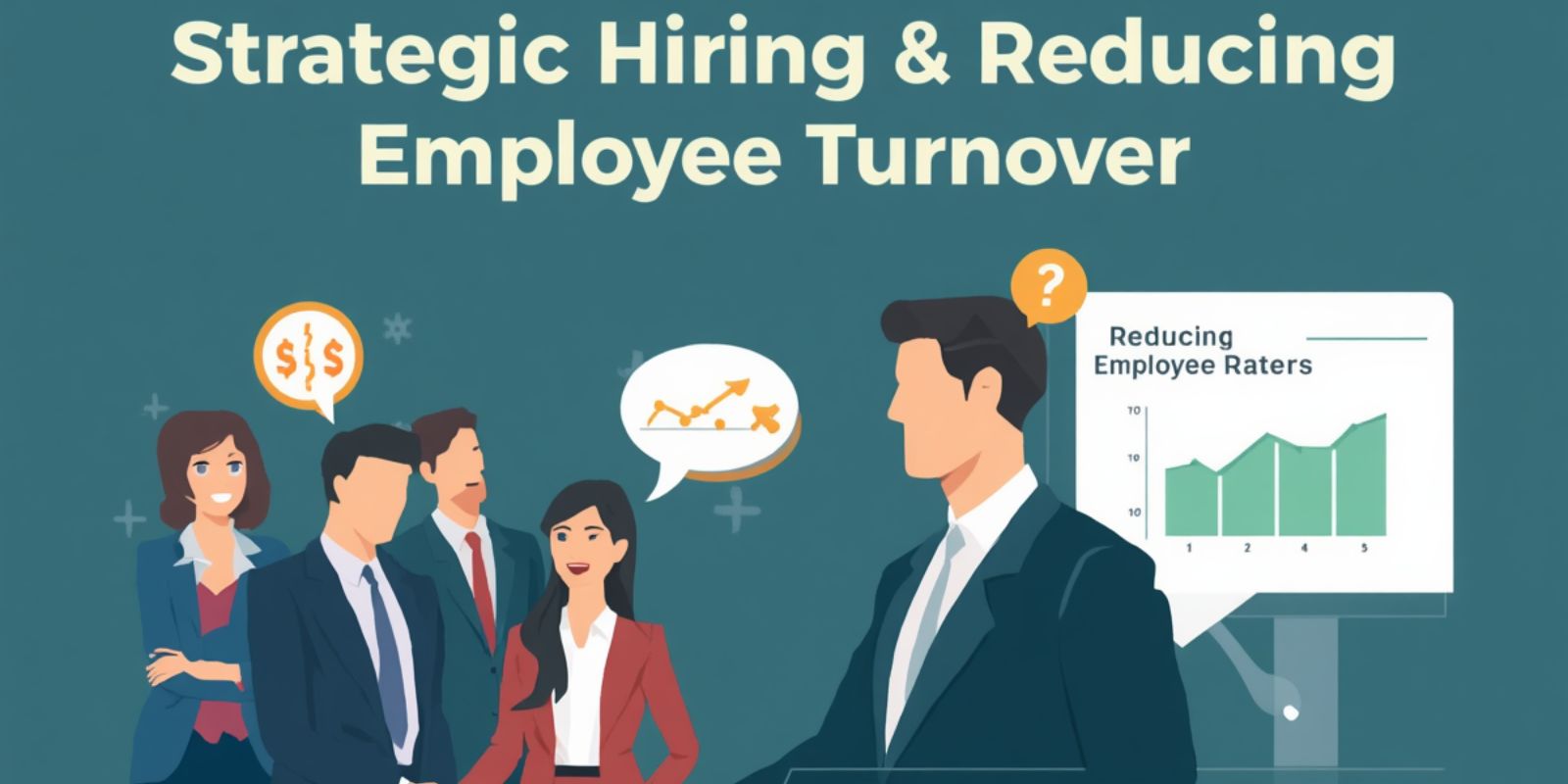
In today’s highly competitive business environment, organizations are under constant pressure to attract, retain, and develop top talent. One of the most persistent challenges companies face is workforce attrition—the gradual loss of employees through resignation, retirement, or other forms of separation. High attrition rates not only disrupt productivity but also increase recruitment costs, reduce team morale, and impact overall business performance.
A powerful solution to this challenge lies in strategic hiring. By adopting a thoughtful, data-driven, and long-term approach to recruitment, organizations can significantly reduce employee turnover and build a stable, engaged workforce.
Understanding Workforce Attrition
Workforce attrition occurs when employees leave an organization and are not immediately replaced. While some level of attrition is natural and even beneficial (such as removing underperformers), excessive attrition can harm organizational stability. Common causes include:
- Poor job fit
- Lack of career growth opportunities
- Inadequate compensation
- Weak organizational culture
- Poor management practices
Many of these issues originate at the hiring stage. When hiring decisions are rushed or misaligned with organizational needs, the likelihood of early employee exit increases.
What is Strategic Hiring?
Strategic hiring is a proactive recruitment approach that aligns hiring decisions with long-term business goals. Instead of focusing solely on filling vacancies quickly, organizations prioritize:
- Cultural alignment
- Skill compatibility
- Future potential
- Role clarity
- Long-term retention
This approach ensures that new hires are not only capable of performing their roles but are also likely to stay and grow within the organization.
The Link Between Strategic Hiring and Attrition
Strategic hiring directly impacts attrition by improving the quality of hires and ensuring better alignment between employees and the organization. When employees feel valued, supported, and aligned with company goals, they are less likely to leave.
Here’s how strategic hiring contributes to lower attrition:
1. Improved Job Fit
One of the leading causes of attrition is a mismatch between employee skills and job requirements. Strategic hiring emphasizes thorough job analysis and competency mapping. By clearly defining role expectations and evaluating candidates accordingly, organizations can ensure a better fit.
When employees feel competent and confident in their roles, job satisfaction increases, reducing the likelihood of turnover.
2. Cultural Alignment
Company culture plays a crucial role in employee retention. Strategic hiring involves assessing candidates not only for technical skills but also for cultural compatibility. Employees who align with organizational values tend to integrate better, collaborate effectively, and stay longer.
Hiring for culture does not mean hiring similar people—it means hiring individuals who share the company’s mission and work ethic while bringing diverse perspectives.
3. Realistic Job Previews
Many employees leave within the first few months due to unmet expectations. Strategic hiring includes providing candidates with a realistic understanding of the role, responsibilities, and work environment.
This transparency helps candidates make informed decisions, reducing the chances of early exits caused by misaligned expectations.
4. Focus on Long-Term Potential
Instead of hiring solely based on current skills, strategic hiring evaluates candidates for their growth potential. Employees who see opportunities for development are more likely to remain with the organization.
Organizations that invest in future-ready talent benefit from higher retention and a stronger leadership pipeline.
5. Data-Driven Recruitment
Strategic hiring leverages data and analytics to improve decision-making. By analyzing past hiring trends, performance metrics, and attrition patterns, organizations can identify what works and what doesn’t.
This evidence-based approach reduces hiring mistakes and enhances overall workforce stability.
6. Enhanced Candidate Experience
A positive recruitment experience sets the tone for an employee’s journey. Strategic hiring ensures clear communication, timely feedback, and respectful interactions throughout the hiring process.
Candidates who have a positive experience are more likely to join and remain committed to the organization.
Key Strategies for Implementing Strategic Hiring
To effectively reduce workforce attrition, organizations should adopt the following strategic hiring practices:
1. Define Clear Job Roles
Ambiguity in job roles leads to confusion and dissatisfaction. Clearly outlining responsibilities, expectations, and performance metrics helps candidates understand their roles and reduces future conflicts.
2. Use Structured Interviews
Structured interviews ensure consistency and fairness in candidate evaluation. By asking standardized questions and using scoring systems, organizations can make objective hiring decisions.
3. Incorporate Behavioral Assessments
Behavioral and psychometric assessments provide insights into a candidate’s personality, work style, and emotional intelligence. These factors are critical for long-term success and retention.
4. Strengthen Employer Branding
A strong employer brand attracts candidates who resonate with the company’s values. Organizations that communicate their culture, mission, and growth opportunities effectively are more likely to attract and retain the right talent.
5. Involve Team Members in Hiring
Including team members in the hiring process ensures better alignment and smoother onboarding. It also helps assess how well a candidate will fit within the team dynamic.
6. Prioritize Onboarding
Strategic hiring does not end with selection. A well-structured onboarding process helps new employees integrate quickly, understand their roles, and build relationships.
Effective onboarding reduces early attrition and sets the foundation for long-term engagement.
The Cost of Poor Hiring Decisions
Failing to adopt strategic hiring can be costly. Poor hiring decisions lead to:
- Increased recruitment and training costs
- Lower productivity
- Reduced team morale
- Negative impact on company reputation
Replacing an employee can cost up to twice their annual salary, making it essential to get hiring decisions right the first time.
Measuring the Impact of Strategic Hiring
Organizations should track key metrics to evaluate the effectiveness of their hiring strategies:
- Employee retention rate
- Time-to-fill positions
- Quality of hire
- Employee engagement scores
- Early attrition rates
Regular monitoring and analysis of these metrics enable continuous improvement in hiring practices.
The Role of Leadership in Strategic Hiring
Leadership plays a vital role in driving strategic hiring initiatives. Leaders must:
- Align hiring strategies with business goals
- Promote a culture of accountability
- Invest in recruitment technology and training
- Encourage collaboration between HR and management
When leadership prioritizes strategic hiring, it becomes an integral part of organizational success.
Future Trends in Strategic Hiring
As the workforce evolves, strategic hiring will continue to adapt. Emerging trends include:
- Use of artificial intelligence in recruitment
- Increased focus on diversity and inclusion
- Remote and hybrid workforce hiring strategies
- Skills-based hiring over degree-based hiring
Organizations that embrace these trends will be better positioned to attract and retain top talent.
Conclusion
Strategic hiring is not just a recruitment strategy—it is a long-term investment in organizational success. By focusing on alignment, transparency, and data-driven decision-making, companies can significantly reduce workforce attrition.
In a world where talent is a key competitive advantage, organizations that prioritize strategic hiring will not only retain their employees but also foster a culture of growth, engagement, and excellence.
Reducing attrition starts with hiring the right people, in the right roles, for the right reasons. When done effectively, strategic hiring transforms the workforce into a stable, high-performing asset that drives sustainable business growth.