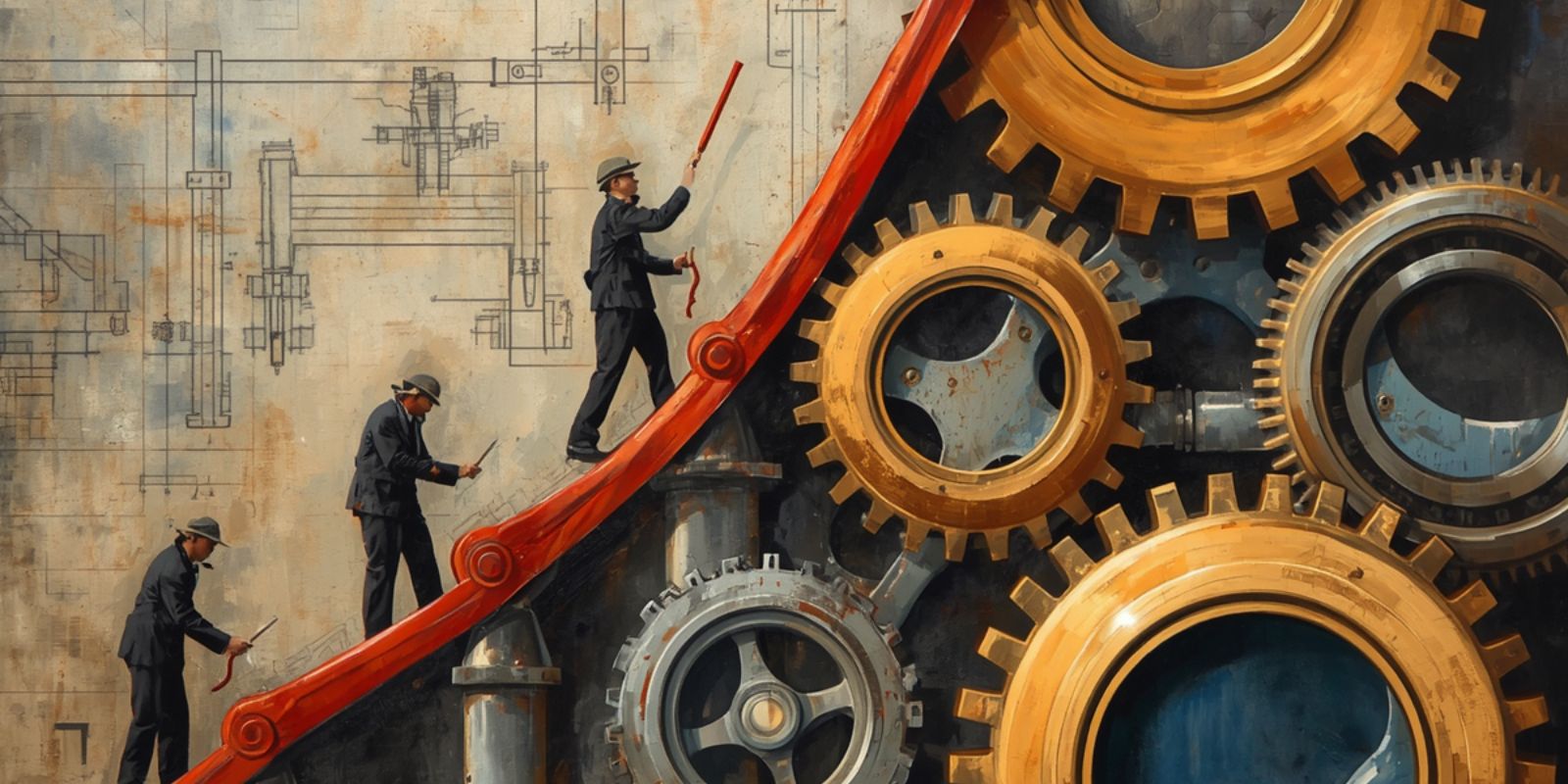
In today’s competitive retail landscape, success is no longer driven by products alone—it depends on people. From frontline associates to store managers, the workforce defines how customers perceive a brand. Retailers that implement strong store staffing models for performance gain a critical advantage by reducing costs, improving service quality, and increasing sales.
As customer expectations rise and operational complexity grows, traditional “one-size-fits-all” staffing methods fail to deliver results. Instead, high-performing retailers are embracing data-driven, flexible, and skills-based staffing models that align people with demand. This article explores modern store staffing models, their benefits, and how to implement them to drive measurable performance improvements.
1. Why Staffing Models Matter in Retail Performance
Staffing is not just about filling shifts—it is about placing the right people in the right roles at the right time. Poor staffing leads to long checkout lines, empty shelves, frustrated employees, and lost revenue. On the other hand, optimized staffing improves:
- Customer satisfaction
- Sales conversion rates
- Employee morale and retention
- Operational efficiency
A performance-focused staffing model ensures that labor resources match customer traffic patterns, store goals, and employee strengths.
2. Common Challenges in Traditional Store Staffing
Many retailers still rely on outdated practices such as fixed schedules, manual planning, and reactive hiring. These create several problems:
- Overstaffing during slow hours
- Understaffing during peak demand
- High labor costs
- Burnout and turnover
- Inconsistent customer service
Without performance-based staffing strategies, stores struggle to remain profitable and competitive.
3. What Are Store Staffing Models For Performance?
Store staffing models for performance are structured approaches that align workforce planning with business objectives and real-time store needs. These models rely on analytics, forecasting, and role optimization to improve outcomes.
Key characteristics include:
- Demand-based scheduling
- Skill-based role assignment
- Flexible labor structures
- Continuous performance measurement
These models transform staffing from a cost center into a performance driver.
4. Popular Store Staffing Models
a) Demand-Based Staffing Model
This model adjusts staffing levels based on customer traffic, sales data, and seasonal trends. Retailers use historical data to predict peak hours and allocate labor accordingly.
Benefits:
- Reduces idle time
- Improves customer wait times
- Lowers labor costs
b) Skill-Based Staffing Model
Employees are scheduled based on their strengths—such as sales ability, technical knowledge, or customer service skills—rather than availability alone.
Benefits:
- Higher sales performance
- Better customer engagement
- Increased employee satisfaction
c) Flexible Staffing Model
This model uses part-time, on-call, and cross-trained employees to respond quickly to demand changes.
Benefits:
- Workforce agility
- Reduced overtime
- Better coverage during peak hours
d) Core and Flex Staffing Model
A stable group of full-time employees forms the core, while temporary or part-time workers support peak periods.
Benefits:
- Predictable labor costs
- Improved continuity
- Reduced turnover
e) Performance-Based Staffing Model
Staff schedules and promotions are linked to performance metrics such as sales per hour, customer ratings, and task completion.
Benefits:
- Motivated workforce
- Higher accountability
- Continuous improvement culture
5. How Technology Enhances Staffing Performance
Modern staffing models rely heavily on digital tools. Workforce management systems track traffic patterns, predict demand, and automate schedules.
Key technology features include:
- AI-driven forecasting
- Real-time labor analytics
- Mobile shift management
- Performance dashboards
These tools ensure managers make informed decisions instead of relying on guesswork.
6. Measuring Staffing Performance
To ensure your model works, track key performance indicators (KPIs) such as:
- Sales per labor hour
- Customer satisfaction scores
- Employee turnover rates
- Average transaction value
- Task completion time
Regular performance reviews help refine staffing strategies for better results.
7. Benefits of High-Performance Staffing Models
Retailers that adopt performance-focused staffing enjoy:
- Higher revenue: More associates during peak times increase conversion.
- Lower costs: Optimized schedules reduce wasted labor hours.
- Better customer experience: Faster service builds loyalty.
- Employee retention: Fair workloads and clear expectations boost morale.
These benefits create a sustainable growth cycle.
8. Steps to Implement Store Staffing Models For Performance
- Analyze store data: Review traffic, sales, and staffing patterns.
- Define performance goals: Set clear targets for service and sales.
- Choose the right model: Match your business needs.
- Train managers: Ensure they understand data-driven planning.
- Use workforce software: Automate scheduling and forecasting.
- Monitor and adjust: Continuously improve based on KPIs.
9. Future Trends in Retail Staffing
The future of staffing is smart, flexible, and employee-centered. Trends include:
- AI-driven workforce planning
- Gig-based retail staffing
- Predictive scheduling
- Personalized employee development
Retailers who embrace these innovations will stay ahead of competition.
Conclusion
Store success depends on people as much as products. By adopting store staffing models for performance, retailers can improve productivity, enhance customer satisfaction, and create a motivated workforce. Moving away from rigid scheduling toward flexible, data-driven models allows businesses to thrive in a rapidly evolving retail environment.