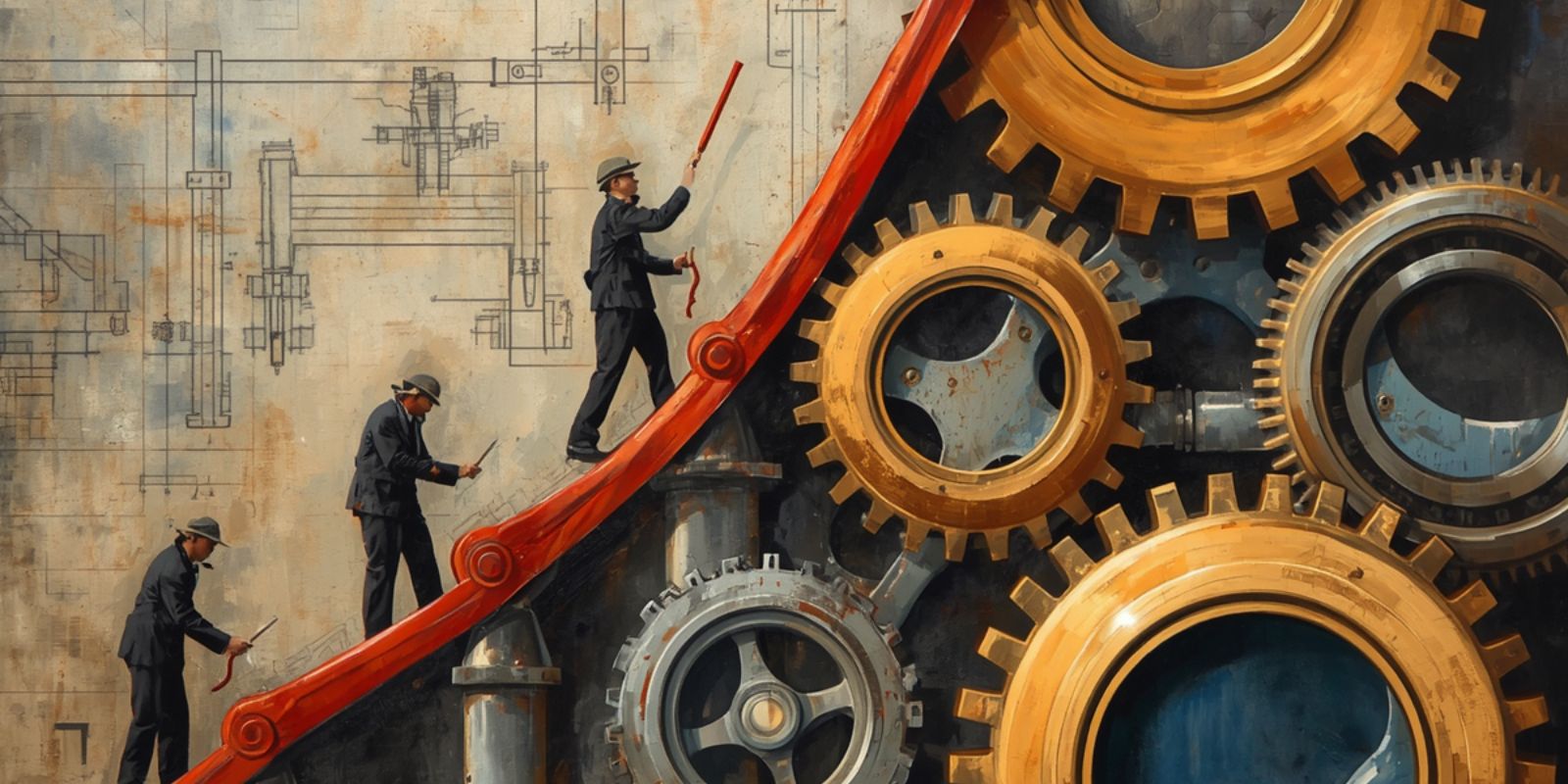
In today’s competitive and fast-changing business environment, enterprises are increasingly realizing that people are their most valuable asset. Technology, capital, and infrastructure can be replicated, but a skilled, motivated, and future-ready workforce provides a sustainable competitive advantage. This is where smart talent management for enterprises becomes critical. It goes beyond traditional HR practices to align people strategies with long-term business goals using data, technology, and strategic planning.
Smart talent management focuses on attracting the right talent, developing their capabilities, engaging them effectively, and retaining them over time. For large enterprises managing diverse teams across locations, functions, and markets, a structured and intelligent approach to talent management is no longer optional—it is essential.
Understanding Smart Talent Management
Smart talent management is an integrated approach that uses digital tools, analytics, and strategic workforce planning to manage the entire employee lifecycle. It covers recruitment, onboarding, learning and development, performance management, succession planning, and retention.
Unlike traditional talent management, which often operates in silos, smart talent management connects data and insights across HR functions. This allows enterprises to make informed decisions, predict workforce needs, and proactively address skill gaps.
Why Smart Talent Management Matters for Enterprises
Large enterprises face unique workforce challenges. Rapid expansion, evolving skill requirements, global competition, and changing employee expectations all demand a smarter approach to managing talent.
1. Alignment with Business Strategy
Smart talent management ensures that workforce planning aligns with organizational goals. Whether an enterprise is entering new markets, launching new products, or undergoing digital transformation, talent strategies are designed to support these initiatives.
2. Improved Workforce Productivity
By placing the right people in the right roles and continuously upgrading skills, enterprises can significantly improve productivity. Smart performance management systems help track outcomes, identify high performers, and address underperformance early.
3. Enhanced Employee Experience
Modern employees expect growth opportunities, flexibility, and meaningful work. Smart talent management focuses on personalized career paths, continuous feedback, and engagement initiatives that improve employee satisfaction.
4. Data-Driven Decision Making
Enterprises generate vast amounts of HR data. Smart talent management leverages analytics to identify trends, predict attrition, and assess training effectiveness, enabling leadership to make evidence-based decisions.
Key Components of Smart Talent Management
1. Strategic Talent Acquisition
Smart talent management begins with intelligent hiring. Enterprises use AI-driven recruitment tools, talent analytics, and employer branding strategies to attract high-quality candidates. Predictive hiring models help identify candidates who are most likely to succeed and stay long term.
2. Structured Onboarding
A well-planned onboarding process accelerates employee integration and productivity. Digital onboarding platforms provide new hires with role clarity, training resources, and early engagement, reducing time to performance.
3. Continuous Learning and Development
Skill requirements are constantly evolving. Smart talent management emphasizes continuous learning through digital learning platforms, microlearning, and upskilling programs. Enterprises can map skills to future roles and prepare employees for leadership positions.
4. Performance and Potential Management
Traditional annual appraisals are being replaced with continuous performance management. Smart systems track goals, feedback, and development plans in real time. Enterprises can identify high-potential employees and create targeted growth programs.
5. Succession and Leadership Planning
Leadership gaps can disrupt business continuity. Smart talent management includes succession planning to ensure that critical roles always have ready talent. Data-based assessments help identify future leaders early.
6. Employee Engagement and Retention
Retention is a major challenge for enterprises. Smart engagement strategies use surveys, sentiment analysis, and feedback tools to understand employee needs. Proactive interventions help reduce attrition and improve loyalty.
Role of Technology in Smart Talent Management
Technology is the backbone of smart talent management for enterprises. Advanced HR platforms integrate recruitment, payroll, performance, and learning into a single ecosystem. Artificial intelligence and machine learning enhance decision-making by identifying patterns that human analysis may miss.
Cloud-based HR systems enable scalability, remote access, and real-time reporting, which is especially valuable for enterprises with distributed workforces. Automation reduces administrative workload, allowing HR teams to focus on strategic initiatives.
Benefits of Smart Talent Management for Enterprises
1. Higher Talent Quality
Smart hiring and assessment tools improve candidate quality and reduce hiring errors.
2. Reduced Attrition
Predictive analytics help identify employees at risk of leaving, enabling timely retention actions.
3. Cost Optimization
Efficient workforce planning and reduced turnover lower recruitment and training costs.
4. Strong Leadership Pipeline
Succession planning ensures leadership continuity and organizational stability.
5. Organizational Agility
Enterprises can quickly adapt to market changes with a flexible and skilled workforce.
Challenges in Implementing Smart Talent Management
While the benefits are significant, implementation can be challenging. Common obstacles include resistance to change, lack of data integration, and insufficient digital skills within HR teams. Enterprises must invest in change management, upskill HR professionals, and ensure leadership buy-in.
Clear communication, phased implementation, and measurable goals help overcome these challenges and ensure successful adoption.
Future of Smart Talent Management
The future of smart talent management lies in greater personalization, advanced analytics, and deeper integration with business strategy. As remote and hybrid work models become standard, enterprises will focus more on outcome-based performance and digital collaboration.
Emerging technologies such as predictive workforce modeling, skills marketplaces, and AI-driven career planning will further transform how enterprises manage talent.
Conclusion
Smart talent management for enterprises is no longer a trend—it is a strategic necessity. By combining technology, data, and people-centric strategies, enterprises can build a resilient workforce capable of driving sustainable growth. Organizations that invest in smart talent management today will be better prepared to face future challenges, retain top talent, and achieve long-term business success.