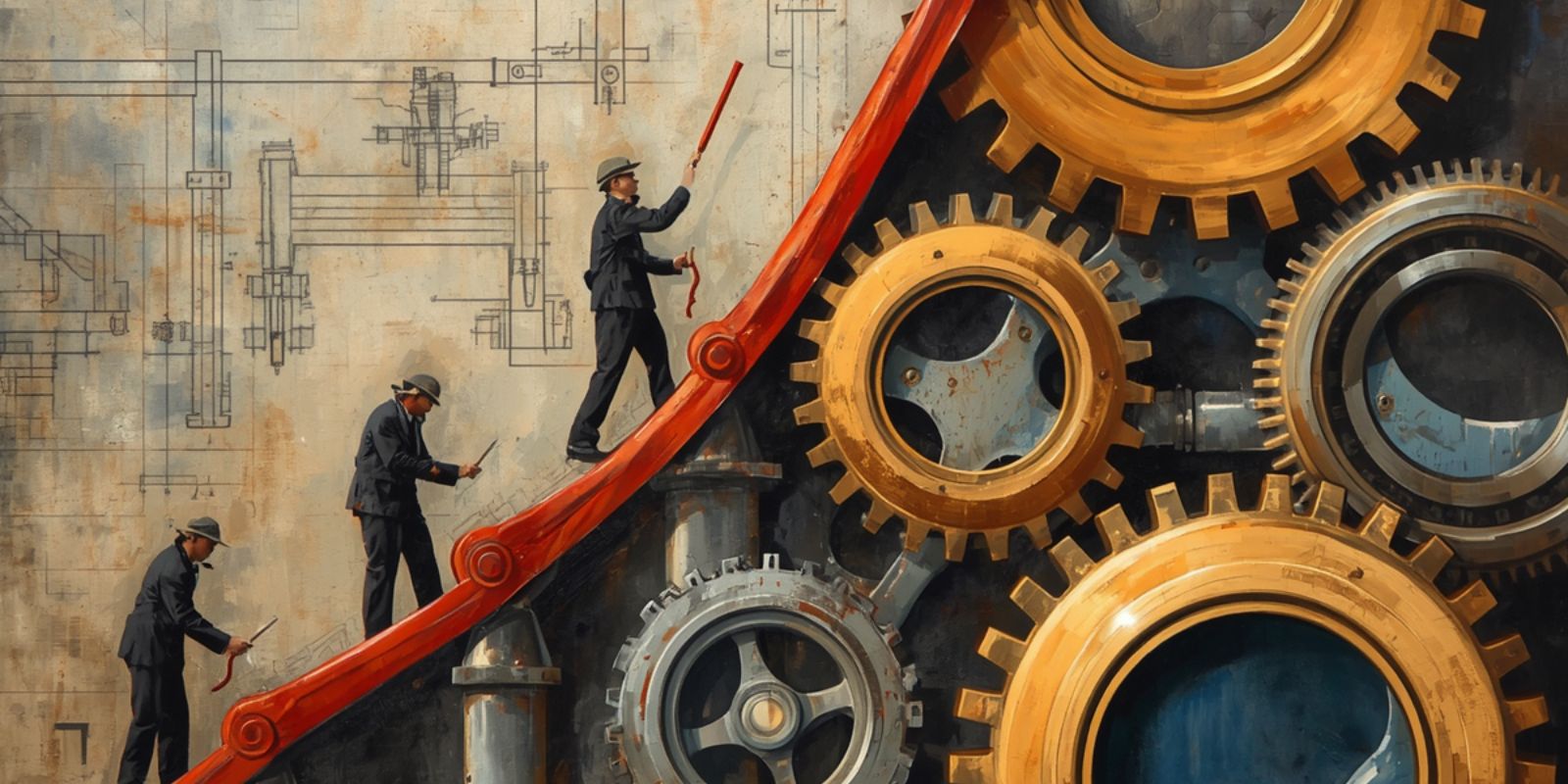
In today’s highly competitive and rapidly evolving business environment, organizations can no longer rely on reactive hiring or short-term staffing decisions. Success increasingly depends on how well companies anticipate talent needs, align workforce capabilities with strategic goals, and optimize human resources for long-term growth. This is where smart manpower planning for organizations becomes a critical business strategy rather than just an HR function.
Smart manpower planning enables organizations to ensure the right people are in the right roles at the right time—while maintaining productivity, controlling costs, and supporting sustainable growth.
Understanding Smart Manpower Planning
Smart manpower planning is a systematic and data-driven approach to forecasting, acquiring, developing, and retaining talent based on an organization’s current and future needs. Unlike traditional manpower planning, which often focuses only on filling vacancies, smart planning integrates business strategy, technology, workforce analytics, and market insights.
It helps organizations answer key questions:
- How many employees do we need?
- What skills will be critical in the future?
- Where are skill gaps likely to emerge?
- How can we optimize productivity without overstaffing?
By addressing these questions proactively, organizations can build resilient and agile workforces.
Why Smart Manpower Planning Is Essential Today
1. Rapid Market Changes
Technological advancements, economic fluctuations, and evolving customer expectations require organizations to adapt quickly. Without smart manpower planning, businesses risk skill shortages or workforce redundancies.
2. Rising Talent Competition
Skilled professionals are in high demand across industries. Smart planning helps organizations attract and retain top talent before competitors do.
3. Cost Optimization
Overstaffing increases operational costs, while understaffing leads to burnout and missed opportunities. Smart manpower planning strikes the right balance.
4. Workforce Agility
Organizations need flexible teams that can scale up or down as business needs change. Smart planning supports contract staffing, remote teams, and project-based hiring.
Key Components of Smart Manpower Planning
1. Workforce Demand Forecasting
Organizations must anticipate future talent requirements based on growth plans, new projects, market expansion, or digital transformation initiatives. Demand forecasting ensures preparedness rather than reactive hiring.
2. Skills Assessment and Gap Analysis
Evaluating current employee skills helps identify gaps that may impact future performance. This allows organizations to decide whether to upskill existing employees or hire new talent.
3. Supply Analysis
Supply analysis examines the availability of internal and external talent. It includes succession planning, internal mobility, and external labor market trends.
4. Strategic Staffing Models
Smart manpower planning incorporates diverse staffing models such as:
- Permanent hiring
- Contract staffing
- Project-based teams
- Remote and hybrid workforces
These models provide flexibility and scalability.
5. Technology and Data Analytics
Modern workforce planning uses HR analytics, AI-driven tools, and workforce management systems to make accurate and informed decisions.
Benefits of Smart Manpower Planning for Organizations
Improved Productivity
Employees are better matched to roles aligned with their skills and strengths, resulting in higher engagement and performance.
Reduced Hiring Risks
Data-driven planning minimizes poor hiring decisions, reducing turnover and recruitment costs.
Better Employee Retention
Clear career paths, skill development initiatives, and balanced workloads enhance employee satisfaction and loyalty.
Enhanced Business Continuity
Succession planning ensures critical roles are always covered, reducing operational risks.
Stronger Competitive Advantage
Organizations with a skilled, agile, and future-ready workforce can respond faster to market opportunities.
Role of Leadership in Manpower Planning
Effective manpower planning requires collaboration between HR leaders, department heads, and senior management. Leadership plays a crucial role in:
- Aligning workforce plans with business objectives
- Supporting employee development initiatives
- Investing in workforce planning technologies
- Promoting a culture of continuous learning
When leadership views manpower planning as a strategic priority, organizations are better positioned for long-term success.
Smart Manpower Planning and Digital Transformation
As organizations embrace digital transformation, manpower planning must evolve accordingly. Automation, artificial intelligence, and cloud technologies are reshaping job roles and skill requirements.
Smart manpower planning ensures:
- Smooth transition to new technologies
- Reskilling and upskilling of employees
- Integration of digital talent into existing teams
- Reduced resistance to change
Organizations that proactively plan their workforce for digital transformation gain a significant edge.
Challenges in Manpower Planning and How to Overcome Them
1. Uncertain Business Forecasts
Market unpredictability can make planning difficult. Scenario-based planning helps organizations prepare for multiple outcomes.
2. Skill Obsolescence
Rapid technological changes can make skills outdated. Continuous learning and training programs address this challenge.
3. Data Limitations
Incomplete or inaccurate workforce data leads to poor decisions. Investing in HR technology improves data quality and insights.
4. Resistance to Change
Employees may resist new roles or processes. Transparent communication and leadership support help manage change effectively.
Best Practices for Smart Manpower Planning
- Align manpower planning with long-term business strategy
- Use workforce analytics and predictive tools
- Regularly review and update workforce plans
- Encourage internal mobility and cross-functional skills
- Partner with staffing and workforce solution providers
- Focus on employee engagement and well-being
These best practices ensure manpower planning remains dynamic and effective.
Future of Smart Manpower Planning
The future of manpower planning lies in predictive analytics, AI-driven workforce insights, and increased workforce flexibility. Organizations will rely more on data to anticipate trends, manage hybrid teams, and build skill-based workforces rather than role-based structures.
Smart manpower planning will continue to evolve as a core driver of organizational resilience, innovation, and sustainable growth.
Conclusion
Smart manpower planning for organizations is no longer optional—it is essential for navigating today’s complex business landscape. By aligning talent strategies with business goals, leveraging technology, and adopting flexible workforce models, organizations can unlock higher productivity, reduced costs, and long-term success.