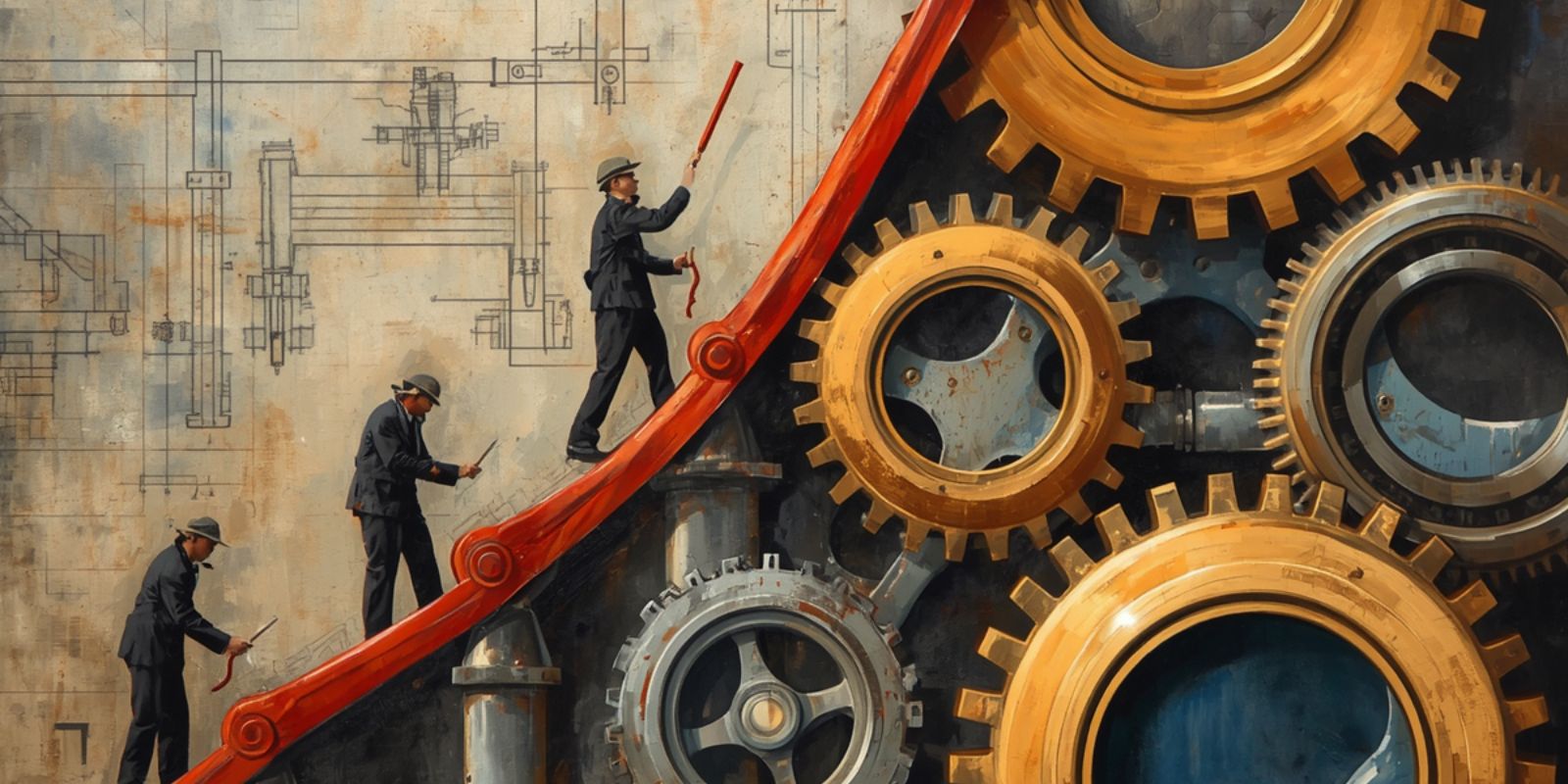
In today’s competitive business environment, success is not just about attracting the right talent — it’s about retaining it. Organizations that can hold onto their best employees build stronger teams, preserve knowledge, and achieve sustained growth over time.
Employee retention goes beyond reducing turnover rates; it reflects how well a company values, supports, and nurtures its people. When employees feel appreciated, empowered, and engaged, they stay committed — and that commitment translates directly into organizational success.
In simple terms, retention strengthens long-term growth because loyal employees build consistent performance, foster innovation, and uphold company culture.
The True Meaning of Retention
Retention isn’t just keeping people employed — it’s about keeping them inspired.
It means creating an environment where employees feel:
- Valued for their contributions.
- Supported in their career growth.
- Connected to the company’s purpose and goals.
- Motivated to give their best every day.
Retention, therefore, is not a one-time effort but a continuous process — a reflection of leadership, culture, and trust.
Why Retention Matters for Long-Term Growth
High turnover disrupts progress. Every time an experienced employee leaves, the organization loses not only skills but also institutional knowledge and cultural stability.
Conversely, retaining talented employees leads to compounding benefits that drive lasting growth. Here’s how:
1. Builds Institutional Knowledge
Long-term employees understand the company’s history, systems, and customers deeply. This accumulated knowledge improves efficiency, decision-making, and mentorship for new hires.
2. Strengthens Team Cohesion
Stable teams work better together. Retention builds familiarity, trust, and shared purpose — key ingredients for collaboration and high performance.
3. Increases Productivity
When employees stay longer, they become more efficient in their roles. Retention reduces onboarding time and creates continuity in workflows.
4. Enhances Customer Relationships
Clients trust companies with consistent, experienced teams. Employee stability leads to stronger relationships and higher customer satisfaction.
5. Reduces Costs
Replacing employees is expensive — from recruitment to training. Retaining top talent cuts costs and improves ROI on people development.
Retention is not just an HR goal; it’s a strategic growth driver.
The Role of Leadership in Retention
Leadership is at the heart of employee retention. People don’t leave companies — they leave poor leadership. Great leaders create environments where employees feel respected, understood, and motivated.
Here’s how strong leadership strengthens retention:
1. Communicate Transparently
Employees want clarity and honesty. Regular communication builds trust and ensures that employees understand the company’s direction.
2. Recognize and Appreciate Contributions
Recognition is one of the strongest motivators. Whether through awards, bonuses, or public acknowledgment, appreciating effort reinforces loyalty.
3. Empower Decision-Making
Empowered employees feel trusted. When leaders delegate responsibility and encourage autonomy, employees feel a sense of ownership.
4. Offer Growth Opportunities
Stagnation is a retention killer. Leaders who provide learning, mentoring, and promotion pathways retain ambitious, high-performing talent.
5. Support Work-Life Balance
Leaders who value well-being create loyal teams. Flexible schedules, mental health support, and respect for personal time keep employees happy and productive.
Leadership that prioritizes people first ensures that talent stays and grows with the organization.
Building a Culture That Retains Talent
A company’s culture defines whether employees stay or leave. A culture rooted in trust, collaboration, and respect naturally attracts and retains strong talent.
Here’s how to build such a culture:
1. Foster Belonging
Employees stay where they feel they belong. Encourage inclusion and teamwork across all levels of the organization.
2. Create Purpose-Driven Work
People commit to missions that matter. Connect daily tasks to a meaningful purpose that aligns with company values.
3. Provide Continuous Feedback
Regular feedback helps employees grow and stay aligned. Constructive conversations build confidence and trust between teams and leaders.
4. Encourage Collaboration
Teamwork builds bonds. Collaborative environments make employees feel part of something bigger than themselves.
5. Maintain Fairness and Transparency
Equitable policies and open communication prevent resentment and build trust — both crucial for long-term retention.
A positive culture doesn’t just retain employees — it attracts future talent too.
Case Study: Retention as a Growth Strategy
A mid-sized IT firm faced high turnover among skilled developers. Projects were delayed, and morale was low. Leadership realized that retention was not just an HR issue — it was a business problem.
They launched the “Stay & Grow” Initiative, which included:
- Personalized career development plans.
- Regular employee feedback and recognition programs.
- Flexible work options for work-life balance.
- Transparent leadership communication sessions.
Within 12 months:
✅ Employee turnover dropped by 45%.
✅ Project delivery efficiency improved by 30%.
✅ Employee engagement scores increased by 35%.
By focusing on retention, the company not only stabilized its workforce but also accelerated its long-term growth trajectory.
The Connection Between Retention and Innovation
Retention fuels innovation because long-term employees understand the organization’s systems, goals, and customers deeply. They can connect ideas across departments and implement new strategies effectively.
Committed, long-tenured employees also:
- Share institutional memory that prevents mistakes.
- Mentor new hires, accelerating innovation cycles.
- Suggest improvements based on real experience.
When employees stay longer, innovation compounds over time — creating a competitive edge that short-tenured teams can’t replicate.
Overcoming Retention Challenges
Even the best organizations face retention challenges. The key lies in identifying and addressing them early.
Common challenges include:
- Lack of recognition or growth opportunities.
- Misalignment between personal and company values.
- Burnout due to workload imbalance.
- Poor communication or leadership disconnect.
To overcome these:
✅ Conduct regular engagement surveys.
✅ Act on employee feedback transparently.
✅ Recognize efforts meaningfully and frequently.
✅ Foster a strong sense of career progression.
Retention efforts must be genuine and consistent — employees can tell when promises are only on paper.
Measuring Retention Success
Retention should be tracked and analyzed just like financial performance. Metrics that matter include:
- Turnover Rate: Percentage of employees leaving the organization.
- Retention Rate: Percentage of employees who stay over time.
- Employee Engagement Scores: Indicators of motivation and satisfaction.
- Tenure Data: Average years employees stay in the company.
Evaluating these metrics helps leaders pinpoint what’s working — and what needs improvement.
Long-Term Benefits of Retention
A focus on retention pays off in more ways than one. Long-term employees are the carriers of culture, the mentors of new hires, and the protectors of consistency.
Key benefits include:
- Higher Productivity: Experienced employees perform faster and better.
- Improved Reputation: A low-turnover company attracts top talent.
- Customer Loyalty: Clients appreciate consistency and long-term relationships.
- Lower Recruitment Costs: Less hiring saves time and resources.
- Stronger Leadership Pipeline: Loyal employees grow into future leaders.
Retention isn’t just about keeping people — it’s about keeping knowledge, continuity, and culture alive.
Conclusion: Retention Builds the Foundation for the Future
Employee retention is not a short-term goal — it’s a long-term investment. It defines how well an organization can sustain its performance, culture, and innovation.
When employees stay, they build relationships, refine skills, and contribute to a stable future. Organizations that prioritize retention enjoy not only growth but also resilience and adaptability.
In the end, retention strengthens long-term growth by creating a workplace where people don’t just work for a paycheck — they work for a purpose, a team, and a future they believe in.
Because when employees grow with the company, the company grows stronger for the future.