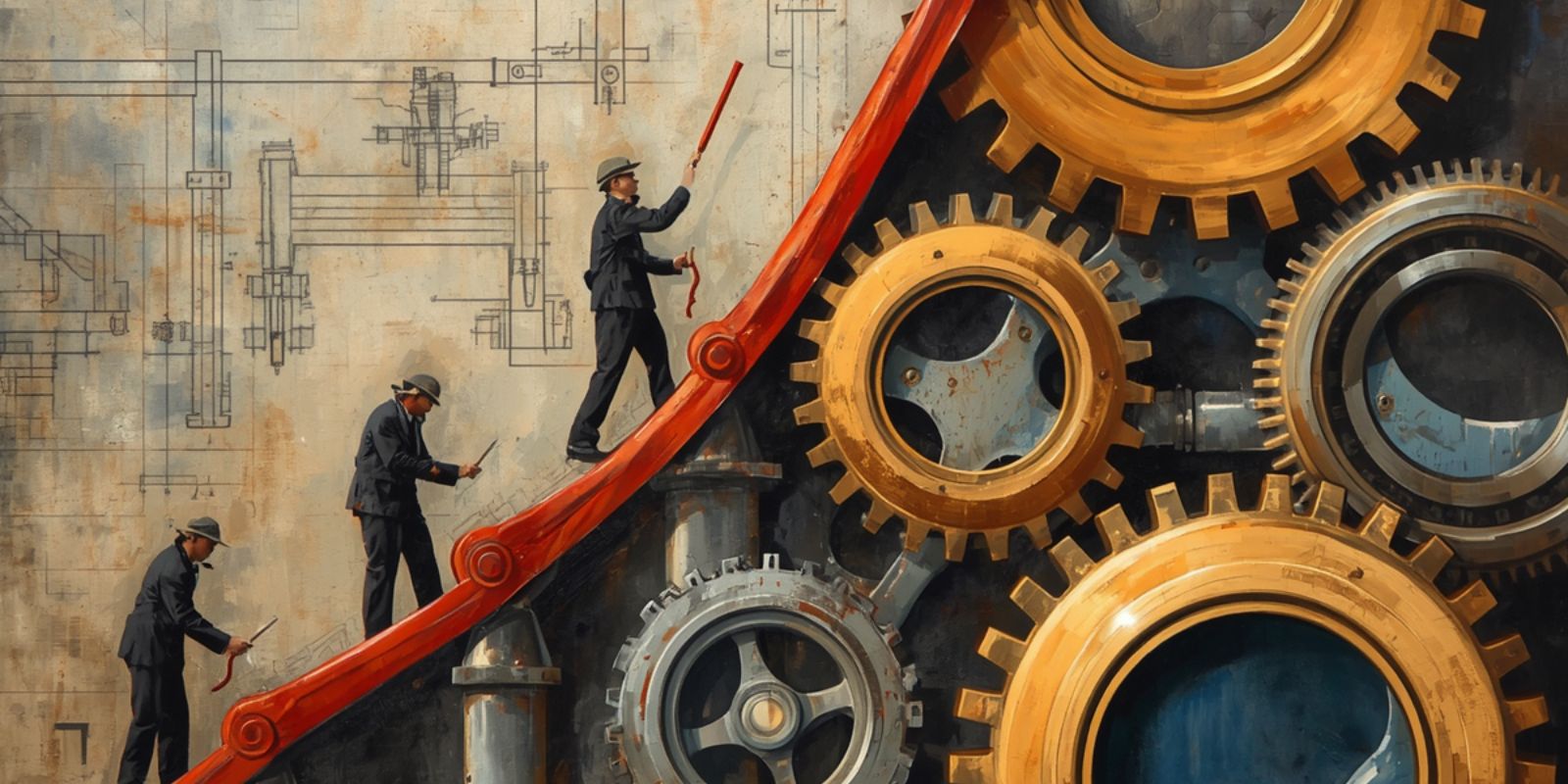
Retail businesses grow fast—but people must grow faster. When expansion happens without proper staffing strategies, it leads to burnout, service gaps, high turnover, and rising costs. That’s why Retail Workforce Planning For Expansion is no longer optional. It is the foundation that supports store openings, regional growth, digital sales, and customer satisfaction.
As retail chains expand into new markets, launch omnichannel platforms, and increase product lines, workforce demands become complex. The right planning ensures that the right people are in the right place at the right time—without overstaffing or under-resourcing.
This guide explains how to build a scalable, data-driven workforce plan that supports long-term retail growth.
Why Retail Workforce Planning Matters for Expansion
Expansion introduces unpredictable challenges. New locations, higher footfall, digital channels, and seasonal demand spikes create staffing pressure. Without a plan, retailers struggle to maintain consistent service quality.
Workforce planning helps retail leaders:
- Forecast staffing needs accurately
- Control labor costs
- Improve employee productivity
- Reduce hiring delays
- Maintain service standards across locations
When done right, workforce planning becomes a growth accelerator rather than a cost center.
Key Challenges in Retail Expansion
Retail growth often exposes weaknesses in workforce structures. Common challenges include:
1. Talent Shortages
Rapid store launches often outpace hiring capabilities, leading to understaffed locations and poor customer experience.
2. High Turnover
Retail has one of the highest turnover rates. Expansion increases workload, causing burnout and resignations.
3. Skill Gaps
New formats such as e-commerce, digital POS systems, and automated inventory require new technical skills.
4. Inconsistent Performance
Different locations may perform unevenly due to mismatched staffing models and training standards.
Step 1: Align Workforce Strategy with Business Goals
Every expansion plan should begin with clear business objectives:
- How many stores will open?
- Which regions are growing?
- Will online sales expand?
- What level of service is expected?
Workforce planning should directly support these goals. If your strategy is focused on premium service, your staffing model should prioritize trained associates. If speed and volume matter, efficiency and automation skills become critical.
Step 2: Forecast Future Workforce Demand
Workforce forecasting is the backbone of retail planning. Use historical data, sales projections, and store traffic trends to estimate staffing requirements.
Forecasting Factors
- Store size and layout
- Sales volume per location
- Customer footfall
- Operating hours
- Seasonal demand
Advanced retailers use analytics and workforce management tools to predict staffing levels accurately across all locations.
Step 3: Analyze Current Workforce Capacity
Before hiring, evaluate your existing workforce:
- How many employees are currently active?
- What are their skill sets?
- What is the turnover rate?
- Who can be promoted or cross-trained?
This analysis identifies gaps and prevents unnecessary hiring.
Step 4: Build a Scalable Staffing Model
A scalable staffing model adjusts as your business grows. It includes:
- Core full-time staff for stability
- Part-time or seasonal staff for flexibility
- On-call or contract workers for peak periods
This layered structure keeps labor costs controlled while maintaining service standards.
Step 5: Create Talent Pipelines for Growth
Retail expansion requires constant recruitment. Build talent pipelines through:
- Campus partnerships
- Local job fairs
- Referral programs
- Social hiring platforms
Some global retailers such as Walmart and Amazon use data-driven talent pipelines to ensure stores never operate understaffed.
Step 6: Upskill and Cross-Train Employees
Training is essential for expansion success. Cross-trained employees can:
- Support multiple departments
- Handle peak hours
- Transition into leadership roles
This reduces dependency on external hiring and improves employee engagement.
Step 7: Leverage Technology for Workforce Optimization
Modern retailers rely on:
- Workforce scheduling systems
- AI-based demand forecasting
- Digital training platforms
- Performance analytics dashboards
Brands like Zara and Target use workforce data to balance staff availability with real-time customer demand.
Step 8: Control Labor Costs While Scaling
Labor is one of the largest retail expenses. Workforce planning helps:
- Avoid overstaffing
- Reduce overtime costs
- Improve shift efficiency
- Lower hiring and training expenses
A cost-optimized workforce allows reinvestment into store expansion and digital growth.
Step 9: Strengthen Leadership for New Locations
Every new store needs trained managers. Leadership pipelines ensure:
- Smooth store launches
- Consistent policies
- Strong team culture
- Faster onboarding
Promoting from within builds loyalty and reduces leadership hiring costs.
Step 10: Monitor Performance and Adjust
Expansion is dynamic. Review workforce data regularly:
- Sales per employee
- Customer satisfaction
- Absenteeism rates
- Turnover levels
Use these insights to adjust staffing levels, training programs, and scheduling models.
Benefits of Retail Workforce Planning For Expansion
When done correctly, workforce planning delivers:
- Higher employee retention
- Faster store launches
- Better customer service
- Reduced labor costs
- Strong brand consistency
- Sustainable long-term growth
Retail expansion becomes predictable, manageable, and profitable.
Final Thoughts
Retail growth without people planning is risky. Retail Workforce Planning For Expansion ensures that every store, channel, and customer touchpoint is supported by skilled, motivated staff. By aligning workforce strategy with business goals, using data to forecast needs, and investing in talent development, retailers can scale with confidence.
In a competitive retail landscape, your people strategy is your strongest advantage. Plan it wisely—and your expansion will succeed.
If you’d like, I can also:
- Rewrite this for LinkedIn or website blogs
- Shorten it to 600 words
- Add a local business angle for India or GCC markets
Retail Workforce Planning For Expansion”give me post with 1200 words and give me Focus Keyphrase, 6-Word SEO Title:, Meta Description (under 115 characters, and Tags with a comma with conclsion
Here is your SEO-optimized long-form post with a strong conclusion.
Retail Workforce Planning For Expansion
Focus Keyphrase:
Retail Workforce Planning For Expansion
6-Word SEO Title:
Retail Workforce Planning For Expansion Success
Meta Description (under 115 characters):
Retail workforce planning strategies to scale teams, control costs, and support fast business growth.
Tags:
retail workforce, workforce planning, retail expansion, staffing strategy, retail management, talent development
Retail Workforce Planning For Expansion
Retail is one of the fastest-changing industries in the world. Customer expectations, digital transformation, and competitive pressures force retailers to expand quickly into new markets, channels, and regions. However, growth without the right people strategy can damage service quality, brand reputation, and profitability. This is why Retail Workforce Planning For Expansion is critical for any retail business aiming for sustainable growth.
Workforce planning ensures that retailers have the right number of employees, with the right skills, at the right locations, and at the right time. It transforms staffing from a reactive task into a strategic growth tool. In this article, we explore how effective retail workforce planning supports expansion, improves performance, and reduces long-term costs.
Why Retail Workforce Planning Is Essential for Growth
When a retail brand expands, workforce demands increase rapidly. New stores, extended operating hours, e-commerce platforms, and higher customer volumes all require additional staff. Without planning, businesses face:
- Staff shortages during peak hours
- High employee turnover
- Increased training and recruitment costs
- Declining customer satisfaction
- Burnout among existing employees
Retail workforce planning helps organizations anticipate future needs rather than reacting to problems after they arise. It enables smooth scaling and ensures service consistency across all locations.
Common Workforce Challenges During Retail Expansion
1. High Turnover Rates
Retail is known for frequent employee turnover. Expansion increases pressure on teams, often leading to stress, disengagement, and resignations.
2. Talent Shortages
As new stores open, hiring needs grow faster than recruitment pipelines, resulting in understaffed operations.
3. Skill Gaps
Modern retail requires digital, customer service, inventory, and data-handling skills that many traditional employees may lack.
4. Inconsistent Store Performance
Without standardized staffing models, some locations may be overstaffed while others struggle to meet demand.
Step 1: Align Workforce Strategy with Expansion Goals
The first step in retail workforce planning is aligning people strategy with business objectives. Ask:
- How many stores will open in the next year?
- Which regions are targeted?
- Will online sales increase?
- What level of customer service is expected?
When workforce plans support business goals, expansion becomes structured and predictable rather than chaotic.
Step 2: Forecast Workforce Demand
Accurate forecasting helps retailers estimate future staffing needs based on:
- Store size and layout
- Sales projections
- Customer footfall trends
- Seasonal demand patterns
- Operating hours
Many global retailers such as Walmart and Target use data-driven forecasting tools to match staff levels with real-time customer demand.
Step 3: Assess Current Workforce Capacity
Before hiring, retailers must analyze their existing workforce:
- Total number of employees
- Skill sets and experience
- Performance levels
- Turnover and absenteeism rates
This analysis reveals internal talent that can be promoted or cross-trained, reducing recruitment costs.
Step 4: Build a Scalable Staffing Model
A scalable model balances flexibility and stability:
- Full-time employees for core roles
- Part-time staff for variable demand
- Seasonal workers for peak periods
This structure ensures efficiency while controlling labor expenses.
Step 5: Develop Strong Talent Pipelines
Retail expansion requires continuous recruitment. Build pipelines through:
- Employee referrals
- Local hiring partnerships
- Online job platforms
- Campus recruitment
Companies like Amazon rely on proactive talent pipelines to meet fast-growing workforce demands.
Step 6: Invest in Training and Upskilling
Training ensures employees adapt to new systems, technologies, and customer expectations. Cross-training enables staff to support multiple roles, improving productivity and reducing dependency on external hiring.
Step 7: Use Technology to Optimize Workforce Management
Modern workforce tools provide:
- Automated scheduling
- Real-time attendance tracking
- Demand forecasting
- Performance analytics
Retail leaders such as Zara use workforce technology to align staffing with store traffic and sales trends.
Step 8: Control Labor Costs While Scaling
Workforce planning helps manage:
- Overtime expenses
- Overstaffing risks
- Recruitment and training costs
This allows retailers to invest more in growth initiatives and customer experience.
Step 9: Build Leadership Pipelines
Every new store needs skilled managers. Identifying high-potential employees and providing leadership training ensures smooth expansion and consistent store operations.
Step 10: Monitor and Improve Continuously
Track key workforce metrics:
- Sales per employee
- Customer satisfaction
- Employee turnover
- Absenteeism
Use insights to adjust staffing strategies and improve efficiency.
Conclusion
Retail expansion succeeds only when supported by the right workforce strategy. Retail Workforce Planning For Expansion empowers businesses to grow confidently by ensuring they have skilled, motivated employees in every location. Through forecasting, training, technology, and leadership development, retailers can scale operations while maintaining service quality and cost efficiency.