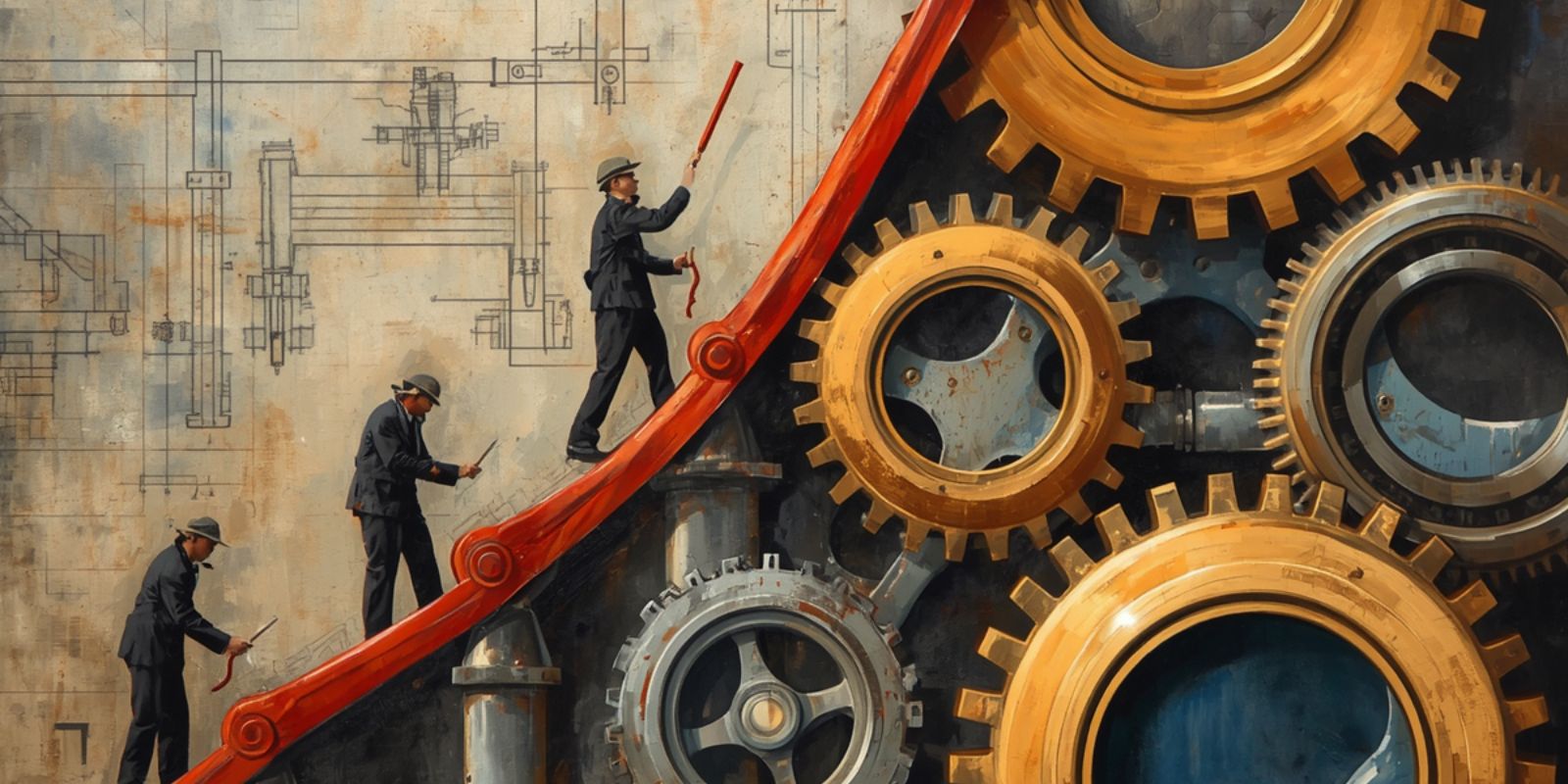
In today’s highly competitive retail landscape, expansion is no longer just about opening new stores or entering new markets. It is about having the right people in the right roles at the right time. Without a skilled and motivated workforce, even the best expansion plans can fail. This is why Retail Talent Strategies For Expansion have become a top priority for successful retail brands.
Retailers across the globe are facing workforce challenges such as high turnover, talent shortages, rising labor costs, and changing customer expectations. To grow sustainably, businesses must move beyond traditional hiring methods and build strategic talent pipelines that align with long-term expansion goals.
This article explores how retail organizations can design and implement effective talent strategies that support growth, improve performance, and strengthen brand reputation.
Why Talent Strategy Matters in Retail Expansion
Retail expansion demands speed, consistency, and quality. Opening new outlets, scaling operations, and entering new regions all require a workforce that can quickly adapt to new systems, products, and customer demographics.
A strong talent strategy helps retailers:
- Reduce time-to-hire during rapid growth
- Maintain service quality across locations
- Build leadership pipelines for new stores
- Lower turnover and recruitment costs
- Improve customer satisfaction and loyalty
Without the right people, even the most attractive retail brand can struggle to deliver a consistent customer experience.
Challenges Retailers Face While Expanding
Before building a talent strategy, it is important to understand the challenges that come with retail growth:
1. High Employee Turnover
Retail roles often experience frequent staff changes, making it difficult to maintain trained teams across locations.
2. Skill Gaps
Modern retail requires digital skills, inventory management, omnichannel knowledge, and customer engagement expertise.
3. Seasonal Hiring Pressures
Festive seasons and promotional campaigns increase hiring needs, creating sudden demand for temporary staff.
4. Leadership Shortages
As new stores open, retailers need trained store managers and supervisors who understand the brand culture.
5. Competitive Talent Market
Retail brands compete with e-commerce, hospitality, and logistics companies for skilled workers.
These challenges make it essential to plan talent strategies in advance rather than reacting to workforce shortages.
Building a Future-Ready Retail Workforce
A successful expansion depends on proactive talent planning. Retail leaders must align workforce strategy with business growth targets.
Workforce Forecasting
Retailers should predict future hiring needs based on store openings, sales growth, and geographic expansion. This allows HR teams to prepare recruitment campaigns early.
Talent Mapping
Identify critical roles such as store managers, regional leaders, visual merchandisers, and supply chain coordinators. Knowing which roles drive performance helps prioritize hiring.
Internal Promotions
Upskilling existing employees reduces dependency on external hiring and builds loyalty among staff.
Recruitment Strategies That Support Growth
To scale efficiently, retailers must adopt modern recruitment approaches.
Employer Branding
Showcase company culture, growth opportunities, and employee success stories to attract quality candidates.
Digital Hiring Platforms
Use online job portals, social media, and mobile-friendly applications to reach a wider audience.
Campus and Local Hiring
Partner with colleges, training institutes, and community centers to build entry-level talent pipelines.
Referral Programs
Encourage employees to recommend candidates by offering incentives.
Training and Development for Scalable Growth
Retail expansion requires consistent training programs that prepare employees for new roles and responsibilities.
Onboarding Programs
Standardized onboarding ensures that new employees understand company values, processes, and service expectations.
Leadership Development
Train store supervisors and managers to lead teams effectively and handle performance challenges.
Digital Learning Platforms
Online modules allow employees across locations to learn product knowledge, customer handling, and compliance rules.
Retention: The Key to Sustainable Expansion
Hiring alone is not enough. Retaining top performers is crucial for long-term success.
Competitive Compensation
Offer market-aligned salaries, incentives, and performance bonuses.
Career Growth Paths
Provide clear promotion opportunities to motivate employees.
Employee Engagement
Recognize achievements, encourage feedback, and promote work-life balance.
Positive Work Culture
A supportive environment reduces turnover and strengthens brand loyalty among staff.
Using Technology to Optimize Talent Strategy
Retailers can leverage HR technology to manage growing teams:
- Applicant tracking systems for faster hiring
- Workforce management tools for shift planning
- Learning management systems for training
- Analytics dashboards for performance tracking
Technology helps retailers make data-driven workforce decisions.
Conclusion
Retail expansion is not just about store count—it is about people. Retail Talent Strategies For Expansion provide the foundation for sustainable growth by ensuring that skilled, motivated, and engaged employees drive every stage of business success.