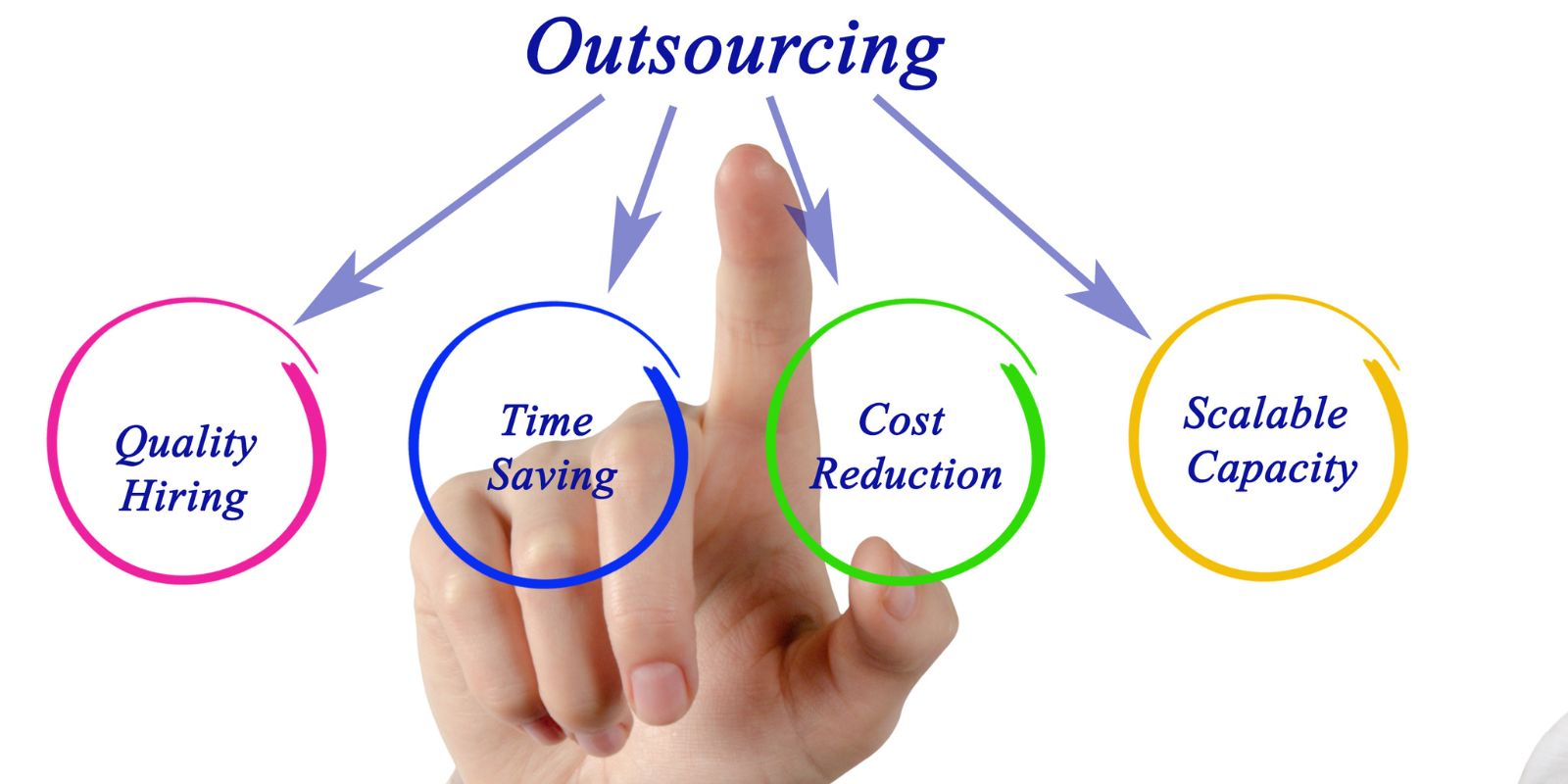
In an increasingly volatile business environment, organizations must prepare for uncertainty while maintaining operational stability. Market fluctuations, talent shortages, sudden workforce gaps, economic slowdowns, technological shifts, and global disruptions can significantly affect hiring and workforce management. In this context, recruitment outsourcing for business continuity has emerged as a strategic solution that enables organizations to sustain operations, reduce risk, and ensure consistent talent availability.
Recruitment outsourcing—often delivered through Recruitment Process Outsourcing (RPO) or managed recruitment services—allows businesses to transfer part or all of their hiring responsibilities to specialized providers. This partnership ensures that recruitment activities remain uninterrupted, even during periods of internal disruption or external uncertainty. By embedding recruitment expertise, scalable resources, and proven processes, outsourcing strengthens workforce resilience and long-term business continuity.
Understanding Business Continuity in Talent Acquisition
Business continuity refers to an organization’s ability to maintain essential functions during and after disruptive events. While many continuity plans focus on IT infrastructure, supply chains, and financial resilience, workforce continuity is equally critical. Without the right talent in place, even the strongest continuity strategies can fail.
Hiring interruptions, high attrition, leadership gaps, or delayed recruitment can directly impact productivity, customer satisfaction, and revenue. Recruitment outsourcing addresses these risks by ensuring a steady, structured, and reliable hiring mechanism that supports business operations regardless of changing conditions.
Why Recruitment Disruptions Threaten Business Continuity
Traditional in-house recruitment teams often face challenges during disruptions. Sudden spikes in hiring demand, hiring freezes followed by rapid ramp-ups, recruiter attrition, or lack of specialized expertise can overwhelm internal teams. Additionally, reliance on manual processes or limited sourcing channels reduces adaptability during crises.
These recruitment bottlenecks can result in:
- Prolonged vacancies in critical roles
- Increased workload on existing employees
- Reduced service delivery and operational efficiency
- Delayed growth initiatives
- Loss of competitive advantage
Recruitment outsourcing mitigates these risks by introducing flexible, scalable, and technology-driven recruitment models designed to maintain hiring momentum.
How Recruitment Outsourcing Supports Business Continuity
1. Ensures Consistent Hiring Operations
One of the most significant advantages of recruitment outsourcing is continuity of hiring. RPO providers operate as an extension of the business, ensuring recruitment activities continue even when internal teams face disruptions. Dedicated recruiters, standardized workflows, and defined service-level agreements (SLAs) keep hiring on track.
This continuity is especially valuable during mergers, acquisitions, restructuring, or leadership transitions when internal priorities may shift away from recruitment.
2. Builds Workforce Resilience Through Scalability
Business continuity requires the ability to scale up or down quickly. Recruitment outsourcing offers flexible workforce models that adapt to changing business needs. Whether organizations need to ramp up hiring for recovery phases or scale down during uncertainty, outsourced recruitment teams can adjust without compromising quality or speed.
This scalability ensures businesses can respond swiftly to market changes while maintaining workforce stability.
3. Reduces Dependency on Internal Resources
Over-reliance on a small internal recruitment team creates a single point of failure. If key recruiters leave or become unavailable, hiring activities can stall. Recruitment outsourcing distributes this risk by providing access to a broader talent acquisition team, shared knowledge, and documented processes.
This reduced dependency enhances organizational resilience and protects business continuity.
4. Access to Specialized Hiring Expertise
Business continuity often depends on filling critical or niche roles quickly. Recruitment outsourcing partners bring industry-specific expertise, talent intelligence, and global sourcing capabilities. Their experience across sectors enables faster identification and placement of hard-to-find talent.
This expertise is particularly valuable in technology, healthcare, manufacturing, and leadership hiring, where delays can significantly disrupt operations.
5. Improves Time-to-Hire During Critical Periods
Extended vacancies can disrupt workflows and overburden existing teams. Recruitment outsourcing streamlines hiring processes through automation, optimized sourcing strategies, and proactive talent pipelines. Faster time-to-hire ensures key positions are filled promptly, supporting uninterrupted business operations.
By maintaining consistent hiring velocity, organizations can sustain service delivery and productivity during uncertain times.
6. Strengthens Workforce Planning and Risk Management
Recruitment outsourcing providers leverage data analytics, forecasting tools, and market insights to support proactive workforce planning. This forward-looking approach helps organizations anticipate talent risks, plan succession pipelines, and align hiring strategies with business continuity objectives.
Improved workforce visibility allows leaders to make informed decisions and mitigate talent-related risks before they escalate.
Recruitment Outsourcing During Crisis and Recovery Phases
During crises—such as economic downturns, global disruptions, or rapid digital transformation—organizations often struggle to balance cost control with talent needs. Recruitment outsourcing offers cost-efficient models that convert fixed recruitment costs into variable ones, improving financial resilience.
During recovery phases, outsourced recruitment teams accelerate hiring to support growth, expansion, and transformation initiatives. This seamless transition from crisis management to growth enables long-term business continuity.
Technology and Process Continuity Through Outsourcing
Recruitment outsourcing providers invest heavily in advanced recruitment technologies, including applicant tracking systems, AI-driven sourcing tools, and analytics dashboards. These tools ensure process continuity, transparency, and compliance, even when internal systems are strained.
Standardized processes, documentation, and reporting further strengthen continuity by ensuring recruitment knowledge is retained and transferable.
Long-Term Strategic Value of Recruitment Outsourcing
Beyond short-term continuity, recruitment outsourcing delivers long-term strategic benefits. It enables organizations to focus on core business activities while recruitment experts manage talent acquisition. Over time, this partnership improves employer branding, candidate experience, and workforce quality.
By embedding recruitment as a strategic function rather than a reactive task, businesses enhance agility, resilience, and sustainability.
Choosing the Right Recruitment Outsourcing Partner
To maximize business continuity benefits, organizations should select outsourcing partners with:
- Proven experience in continuity-driven recruitment models
- Scalable and flexible service delivery
- Strong technology and analytics capabilities
- Industry and role-specific expertise
- Clear governance and performance metrics
A well-aligned recruitment outsourcing partnership becomes a critical pillar of business continuity planning.
Conclusion
In today’s unpredictable business landscape, maintaining workforce stability is essential for survival and growth. Recruitment outsourcing for business continuity empowers organizations to sustain hiring operations, reduce talent-related risks, and remain resilient during disruption and change.