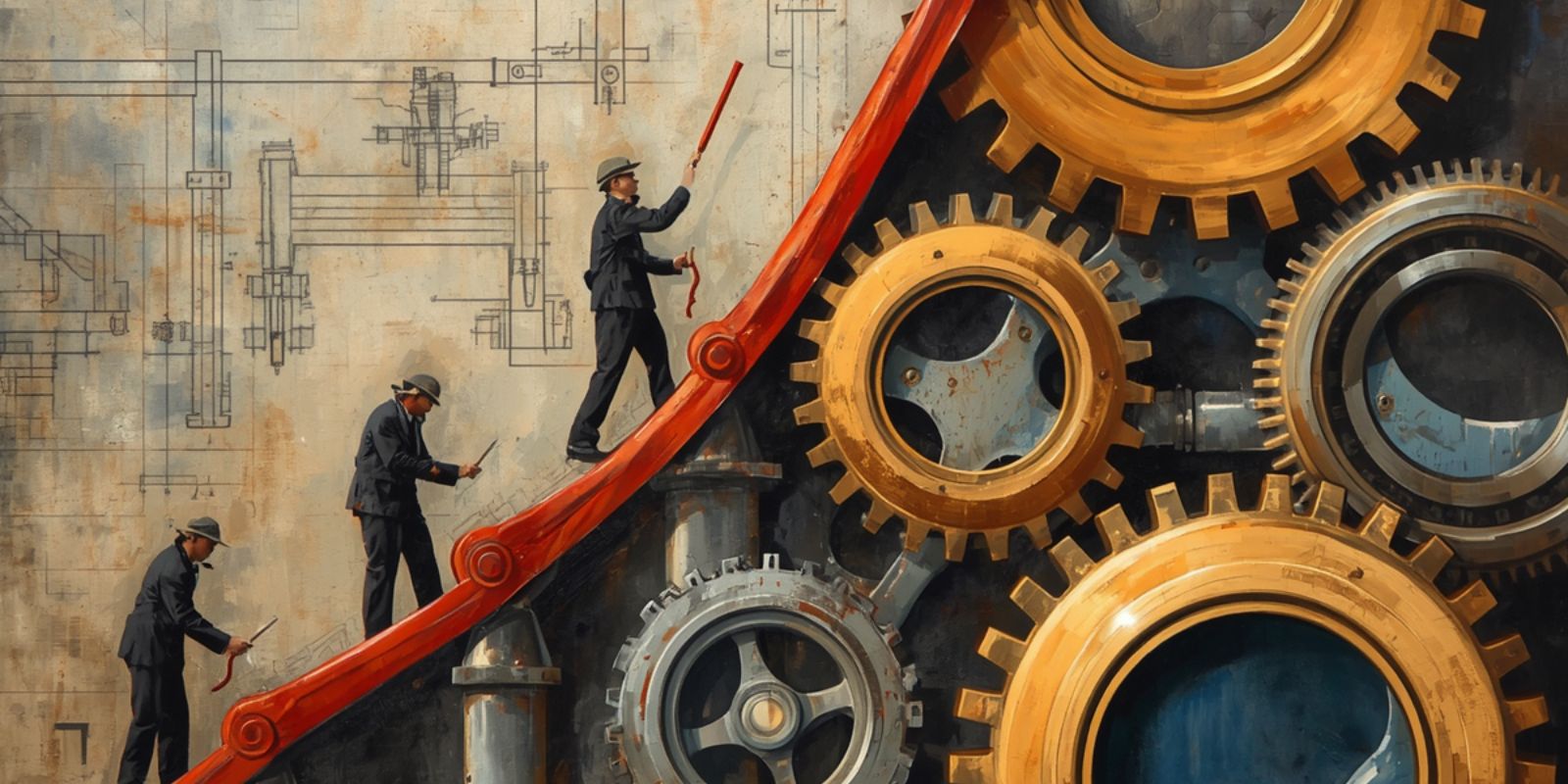
In today’s highly competitive manufacturing and industrial landscape, business growth depends not only on advanced machinery or automation but also on how effectively organizations structure their production workforce. Companies facing fluctuating demand, skills shortages, and rising operational costs need adaptable workforce strategies to remain competitive. This is where production workforce models for growth play a critical role.
A well-designed workforce model aligns people, processes, and production goals to ensure consistent output, quality, and scalability. Rather than relying on a single staffing approach, modern production environments adopt flexible models that support both short-term agility and long-term expansion. This article explores the importance of production workforce models, the most effective types, and how they enable sustainable business growth.
Understanding Production Workforce Models
Production workforce models define how labor is structured, deployed, and managed within manufacturing or production operations. These models determine staffing levels, skill distribution, shift patterns, and workforce flexibility.
Traditional fixed workforce structures often struggle to adapt to changing market conditions. In contrast, growth-oriented workforce models focus on scalability, productivity, and resilience. They help organizations respond quickly to demand changes while maintaining cost control and operational efficiency.
By adopting the right production workforce model, businesses can reduce downtime, improve throughput, and ensure the right skills are available when needed.
Why Production Workforce Models Matter for Growth
Growth introduces complexity. As production volumes increase, so do challenges related to hiring, training, workforce coordination, and compliance. Without a structured workforce model, scaling operations can lead to inefficiencies and quality issues.
Key benefits of effective production workforce models include:
- Improved production planning and labor utilization
- Faster response to market demand fluctuations
- Reduced labor costs through optimized staffing
- Enhanced employee engagement and retention
- Stronger alignment between workforce capacity and business objectives
Organizations that invest in strategic workforce models position themselves for long-term growth rather than reactive hiring cycles.
Key Production Workforce Models Supporting Growth
1. Core and Flexible Workforce Model
This model combines a stable core team with a flexible workforce to manage demand variability. The core workforce handles critical production tasks and maintains operational continuity, while temporary or contract workers support peak periods.
Benefits include:
- Cost-effective scaling during high demand
- Reduced overtime pressure on core employees
- Improved workforce stability
This model is especially effective in industries with seasonal or project-based production cycles.
2. Skills-Based Workforce Model
A skills-based production workforce model focuses on employee capabilities rather than fixed roles. Workers are trained across multiple functions, allowing them to shift between tasks as production needs evolve.
Advantages include:
- Higher workforce adaptability
- Reduced dependency on single-skill roles
- Improved productivity and problem-solving
Cross-trained employees enable smoother operations and minimize disruptions caused by absenteeism or turnover.
3. Lean Workforce Model
Lean production workforce models aim to eliminate waste while maximizing value. Staffing levels are carefully aligned with production flow, ensuring labor is deployed efficiently without excess capacity.
Key outcomes:
- Improved efficiency and cycle times
- Reduced operational waste
- Strong focus on continuous improvement
This model supports sustainable growth by increasing output without proportional increases in labor costs.
4. Shift-Based and Staggered Workforce Model
As production scales, extended operating hours often become necessary. Shift-based workforce models allow organizations to maximize equipment utilization while maintaining employee work-life balance.
Benefits include:
- Higher production capacity
- Better utilization of machinery and facilities
- Reduced employee burnout
This approach supports growth without immediate infrastructure expansion.
5. Hybrid Workforce Model
Hybrid production workforce models integrate permanent employees, contract workers, and outsourced specialists. This mix allows organizations to access specialized skills without long-term overhead.
Advantages include:
- Greater flexibility in workforce composition
- Access to niche expertise
- Faster scaling for new production lines or markets
Hybrid models are particularly effective for companies undergoing rapid transformation or expansion.
Technology’s Role in Production Workforce Models
Digital tools are transforming how production workforce models are designed and managed. Workforce management systems, data analytics, and automation enable more accurate labor forecasting and performance tracking.
Technology-driven benefits include:
- Real-time visibility into workforce productivity
- Data-based staffing decisions
- Predictive demand planning
By integrating technology into workforce models, organizations gain better control over labor costs while supporting growth objectives.
Aligning Workforce Models with Business Strategy
For production workforce models to drive growth, they must align with overall business goals. Workforce planning should be integrated into strategic planning rather than treated as a separate operational function.
Key alignment steps include:
- Understanding future production requirements
- Identifying critical skills for growth
- Building scalable hiring and training frameworks
When workforce models support long-term strategy, growth becomes structured and sustainable rather than reactive.
Challenges in Implementing Production Workforce Models
While workforce models offer significant benefits, implementation can be complex. Common challenges include resistance to change, skills gaps, and inconsistent workforce planning.
To overcome these challenges, organizations should:
- Communicate workforce strategy clearly
- Invest in continuous training and upskilling
- Use data to guide workforce decisions
A proactive approach ensures smoother adoption and long-term success.
Measuring the Impact of Workforce Models
Tracking performance is essential to ensure workforce models deliver expected outcomes. Key metrics include productivity per worker, labor cost efficiency, absenteeism rates, and output quality.
Regular evaluation allows organizations to refine workforce models as production needs evolve. Continuous improvement ensures the workforce remains aligned with growth objectives.
Future Trends in Production Workforce Models
The future of production workforce models is shaped by automation, digital transformation, and evolving workforce expectations. Flexible work arrangements, skills-based roles, and technology-enabled workforce planning will become increasingly important.
Organizations that adapt early will gain a competitive advantage by building resilient, future-ready production teams.
Conclusion
Production workforce models for growth are no longer optional—they are essential for organizations aiming to scale efficiently and sustainably. By adopting flexible, skills-driven, and technology-enabled workforce structures, businesses can meet rising production demands while controlling costs and maintaining quality.