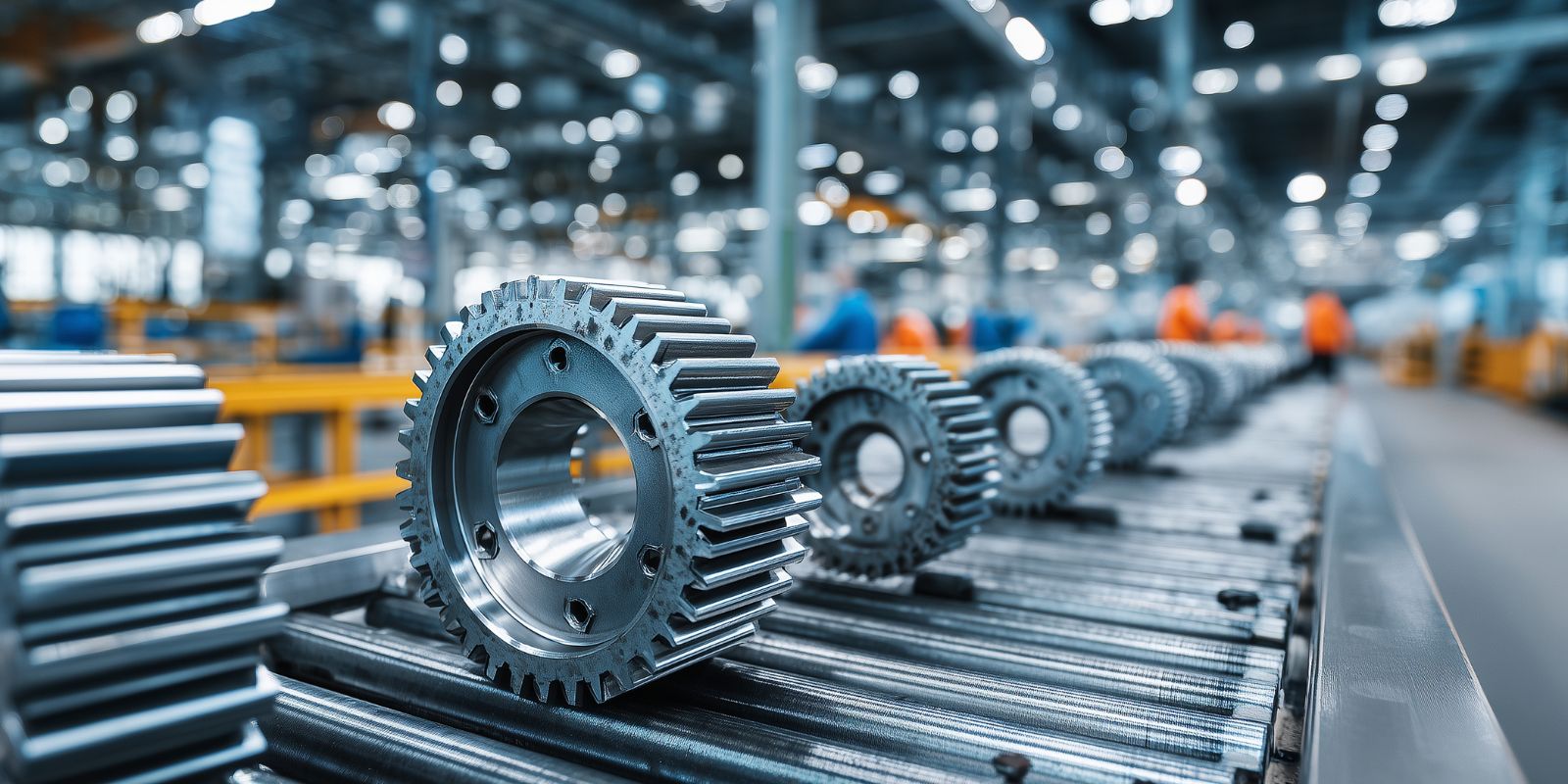
In today’s competitive industrial landscape, production efficiency is no longer just about machinery or automation—it is about people. The right workforce structure determines whether production lines run smoothly, targets are met consistently, and operational costs remain controlled. Organizations that adopt structured production staffing models are better positioned to manage demand fluctuations, reduce downtime, and maintain quality standards.
Production staffing models refer to strategic frameworks used to plan, deploy, and optimize workforce allocation within manufacturing and production environments. These models ensure the right number of skilled workers are available at the right time, aligned with output goals and operational budgets.
Let’s explore how effective production staffing models drive efficiency and sustainable growth.
Understanding Production Staffing Models
Production staffing models are systematic approaches to workforce planning within manufacturing, logistics, and industrial operations. They consider factors such as:
- Production volume forecasts
- Skill requirements
- Shift scheduling
- Equipment utilization
- Seasonal demand fluctuations
- Compliance and safety standards
Rather than reactive hiring, these models emphasize proactive workforce planning to minimize bottlenecks and operational disruptions.
Why Efficiency Depends on Staffing Structure
Operational efficiency is influenced by three major workforce components:
- Workforce Availability – Ensuring adequate staffing levels during peak demand.
- Skill Alignment – Matching employee competencies with job roles.
- Cost Optimization – Maintaining productivity while controlling labor costs.
Poor staffing leads to overtime overload, burnout, quality issues, and increased attrition. A structured staffing model eliminates these risks by balancing output targets with workforce capacity.
Key Production Staffing Models for Efficiency
1. Fixed Staffing Model
This traditional model maintains a consistent number of employees regardless of demand fluctuations.
Best For:
- Stable production environments
- Predictable demand cycles
- Long-term contracts
Advantages:
- Workforce stability
- Easier training and supervision
- Strong team coordination
Limitations:
- Higher labor costs during low-demand periods
- Limited flexibility during demand spikes
While simple, this model may not suit industries with seasonal or volatile production requirements.
2. Flexible Staffing Model
The flexible model adjusts workforce size based on demand. Organizations combine permanent employees with contract or temporary workers.
Best For:
- Seasonal industries
- FMCG production
- E-commerce logistics
- Event-driven manufacturing cycles
Advantages:
- Reduced idle labor cost
- Quick scalability
- Improved cost control
Limitations:
- Requires strong workforce coordination
- Onboarding time for temporary staff
This model improves efficiency by aligning manpower directly with output needs.
3. Lean Staffing Model
Inspired by principles popularized by companies like Toyota, lean staffing focuses on minimizing waste—whether in time, motion, or workforce allocation.
Core Principles:
- Multi-skilled workforce
- Cross-training employees
- Just-in-time production support
- Reduced redundancies
Benefits:
- Higher productivity per employee
- Lower operational waste
- Faster process flow
Lean staffing ensures that every worker contributes maximum value without unnecessary overlap.
4. Shift-Based Rotational Model
This model optimizes productivity by distributing labor across multiple shifts.
Common in:
- 24/7 manufacturing plants
- Pharmaceutical production
- Food processing industries
Advantages:
- Continuous production
- Reduced machine downtime
- Better asset utilization
Effective shift planning reduces fatigue, maintains compliance with labor laws, and supports production continuity.
5. Core-Periphery Model
This hybrid staffing strategy divides workforce into:
- Core Employees: Permanent, highly skilled workers handling critical processes
- Periphery Employees: Contract or temporary workers supporting variable tasks
Benefits:
- Operational stability
- Workforce agility
- Cost-effective scalability
This model ensures strategic roles remain stable while allowing flexibility in operational functions.
Workforce Planning Strategies for Production Efficiency
Regardless of the staffing model used, efficiency depends on strong planning frameworks.
1. Demand Forecasting
Production planning should be data-driven. Using historical data, sales projections, and market trends helps predict workforce requirements accurately.
2. Skill Matrix Development
A skill matrix identifies employee competencies and cross-training opportunities. Multi-skilled workers improve adaptability and reduce dependency on specific individuals.
3. Technology Integration
Modern workforce management tools automate:
- Shift scheduling
- Attendance tracking
- Performance monitoring
- Productivity analysis
Automation reduces administrative burden and enhances transparency.
4. Performance Metrics Tracking
Key production KPIs include:
- Output per employee
- Labor cost per unit
- Overtime ratio
- Downtime incidents
- Quality defect rate
Monitoring these indicators ensures continuous improvement.
Reducing Downtime Through Strategic Staffing
Downtime directly affects profitability. Efficient staffing models reduce downtime by:
- Ensuring backup operators for critical machinery
- Avoiding overworked teams
- Implementing preventive maintenance schedules
- Maintaining on-call technical support
Cross-training is particularly effective. When employees understand multiple roles, workflow disruptions are minimized.
Cost Efficiency and Labor Optimization
Labor costs form a major portion of production expenses. Effective staffing models control costs by:
- Minimizing unnecessary overtime
- Reducing recruitment cycles
- Improving employee retention
- Avoiding skill mismatch
A balanced approach prevents both understaffing and overstaffing, ensuring optimal labor utilization.
The Role of Leadership in Production Staffing
Even the best staffing model fails without strong supervision. Production managers must:
- Monitor daily performance
- Address workforce challenges quickly
- Encourage accountability
- Foster team engagement
Engaged employees contribute significantly to operational efficiency. Transparent communication and clear role definitions improve performance consistency.
Future Trends in Production Staffing
As industries adopt automation and digital transformation, staffing models are evolving.
1. Data-Driven Workforce Planning
AI-based forecasting tools predict labor needs with higher accuracy.
2. Skill-Based Hiring
Industries are shifting from degree-focused hiring to competency-based recruitment.
3. Hybrid Human-Automation Models
Workers now collaborate with automated systems rather than being replaced by them.
4. Focus on Workforce Agility
Agility is becoming more important than workforce size. Companies prioritize adaptability over fixed headcount expansion.
Building an Efficient Production Workforce: Step-by-Step
- Analyze production demand trends.
- Identify skill gaps.
- Choose the right staffing model (fixed, flexible, lean, or hybrid).
- Implement workforce management technology.
- Monitor KPIs regularly.
- Continuously improve through feedback and performance audits.
Conclusion
Production efficiency is not achieved solely through advanced machinery or infrastructure. It depends heavily on how effectively the workforce is structured, deployed, and managed. Production staffing models provide a strategic foundation to align labor capacity with operational goals.
Organizations that adopt flexible, lean, and data-driven staffing strategies experience:
- Reduced downtime
- Lower operational costs
- Higher productivity
- Improved employee satisfaction
- Sustainable growth
By implementing the right production staffing model, businesses can build resilient operations that adapt to market changes while maintaining consistent output and quality.
Efficient production begins with smart staffing decisions.