In today’s highly competitive and rapidly changing business environment, organizations can no longer rely on traditional workforce planning methods. Static headcount reports and historical staffing trends are no longer sufficient to support strategic decision-making. Instead, companies are turning to predictive workforce models—data-driven frameworks that use analytics, machine learning, and forecasting techniques to anticipate future workforce needs.
Predictive workforce models help businesses make smarter hiring, retention, and resource allocation decisions. By analyzing past trends and real-time data, these models allow leaders to predict employee turnover, identify skill gaps, optimize labor costs, and align talent strategies with business goals. As digital transformation accelerates across industries, predictive workforce planning is quickly becoming a competitive necessity rather than an optional tool.
This article explores how predictive workforce models work, their business benefits, key components, implementation steps, challenges, and the future of workforce forecasting.
What Are Predictive Workforce Models?
Predictive workforce models are analytical systems that use historical data, current workforce metrics, and external market factors to forecast future workforce outcomes. These outcomes may include:
- Expected employee attrition
- Hiring requirements
- Skill shortages
- Productivity trends
- Workforce cost projections
By applying advanced statistical techniques and machine learning algorithms, these models provide probability-based insights that help organizations prepare for future scenarios rather than react to them.
Unlike traditional workforce planning—which focuses on past and present data—predictive models look ahead. They answer critical questions such as:
- Which departments are at risk of high turnover?
- What skills will be in demand next year?
- How many employees will be needed for growth targets?
Why Businesses Need Predictive Workforce Models
1. Rising Talent Competition
With global talent shortages and fast-changing skill requirements, businesses must anticipate future workforce needs before gaps appear. Predictive models help companies stay ahead of competitors by planning early.
2. High Employee Turnover Costs
Replacing employees is expensive. Predictive analytics identifies early signs of attrition, allowing HR teams to take proactive retention measures.
3. Strategic Business Growth
Whether expanding into new markets or launching new products, workforce readiness determines success. Predictive models align staffing strategies with long-term business goals.
4. Data-Driven Decision Making
Rather than relying on assumptions, leaders can use evidence-based insights to optimize hiring, training, and performance management.
Key Components of Predictive Workforce Models
1. Data Collection
Accurate models require quality data from multiple sources:
- HR systems (attendance, payroll, performance)
- Recruitment platforms
- Learning management systems
- Employee surveys
- Market and industry trends
2. Data Cleaning and Integration
Raw data must be standardized and merged into a centralized system. Removing errors, duplicates, and inconsistencies is essential for reliable predictions.
3. Analytical Algorithms
Predictive models use:
- Regression analysis
- Decision trees
- Machine learning models
- Time-series forecasting
These algorithms detect patterns and generate forecasts.
4. Scenario Modeling
Organizations can test multiple “what-if” scenarios such as business growth, automation, or economic changes to understand workforce impacts.
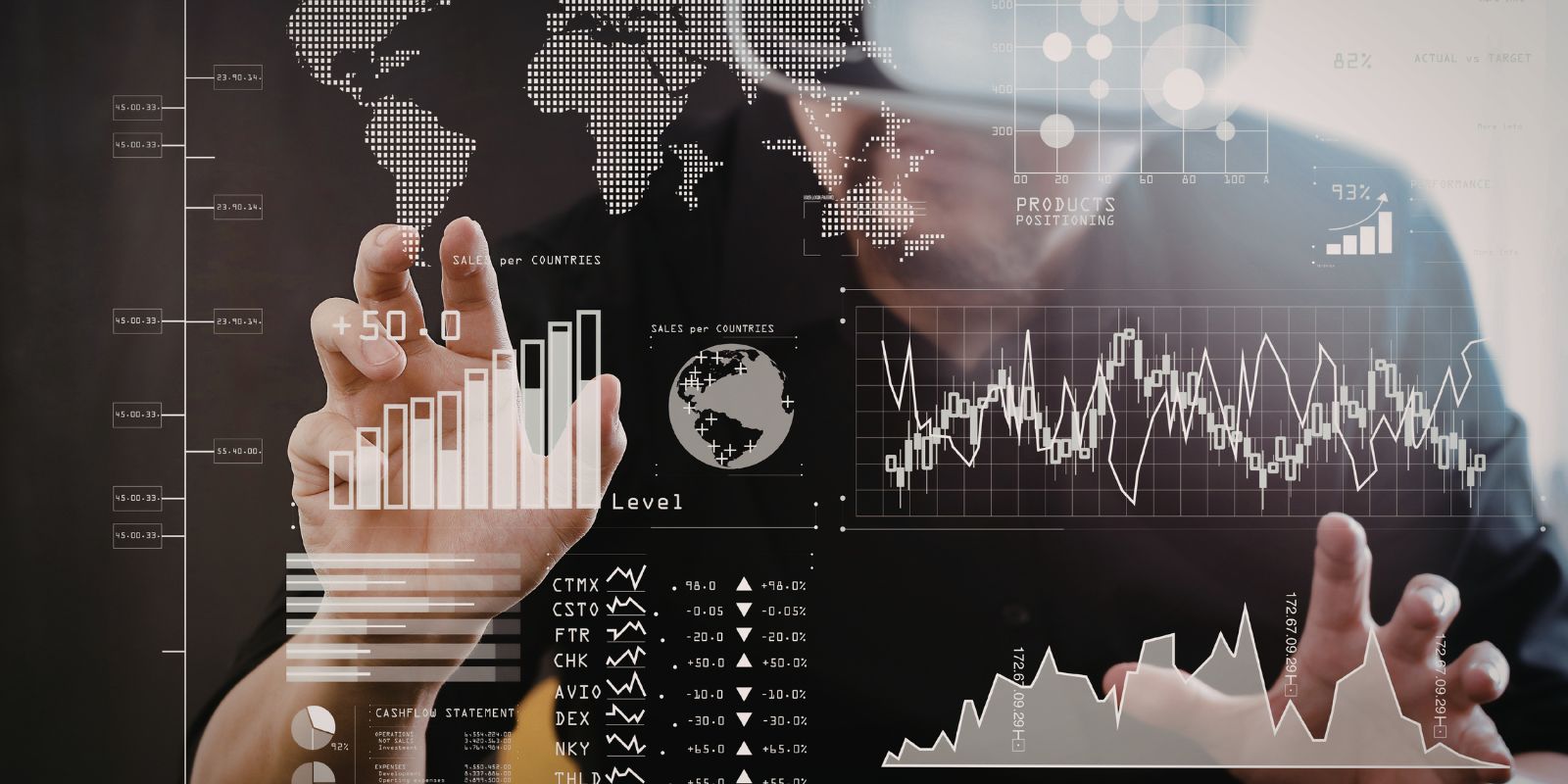
5. Visualization and Reporting
Dashboards and reports help leaders interpret predictions easily and make faster decisions.
How Predictive Workforce Models Work
- Define Objectives – Identify business challenges such as turnover, skill gaps, or expansion.
- Collect Workforce Data – Gather historical and real-time HR data.
- Build Predictive Algorithms – Use analytics tools to create models.
- Generate Forecasts – Predict workforce trends and risks.
- Take Action – Implement HR strategies based on insights.
- Continuously Improve – Update models with new data.
Benefits of Predictive Workforce Models
Improved Hiring Accuracy
Organizations can predict hiring needs and recruit talent before shortages occur.
Lower Workforce Costs
By forecasting overtime, attrition, and training requirements, businesses reduce unnecessary expenses.
Increased Employee Retention
Early identification of disengaged employees enables targeted retention programs.
Enhanced Productivity
Aligning workforce skills with business needs boosts efficiency and performance.
Better Compliance and Risk Management
Predictive models help ensure proper staffing levels and reduce labor-related risks.
Industry Use Cases
Manufacturing
Forecast labor requirements based on production demand and equipment upgrades.
IT and Technology
Predict skill gaps for emerging technologies such as AI and cybersecurity.
Healthcare
Anticipate staffing shortages and ensure patient care continuity.
Retail
Plan workforce needs for seasonal demand and store expansions.
Challenges in Implementation
Data Quality Issues
Incomplete or inaccurate data can reduce prediction accuracy.
Resistance to Change
Managers may be hesitant to trust algorithm-based decisions.
Integration with Existing Systems
Legacy HR platforms may require upgrades or integrations.
Ethical and Privacy Concerns
Organizations must ensure employee data is used responsibly and transparently.
Best Practices for Success
- Start with clear business goals
- Invest in reliable HR analytics tools
- Train HR teams in data literacy
- Update models regularly
- Encourage leadership buy-in
The Future of Predictive Workforce Planning
With advances in artificial intelligence, predictive workforce models will become more precise and real-time. Organizations will shift from reactive HR management to fully proactive workforce strategies. As remote work, automation, and digital transformation grow, predictive workforce planning will be a key driver of business resilience.
Conclusion
Predictive workforce models for businesses are transforming the way organizations manage their people. By leveraging data and analytics, companies can anticipate workforce challenges, optimize talent strategies, and align employees with business goals. In a world where change is constant, predictive workforce models provide the clarity and foresight businesses need to stay competitive and future-ready.