Introduction
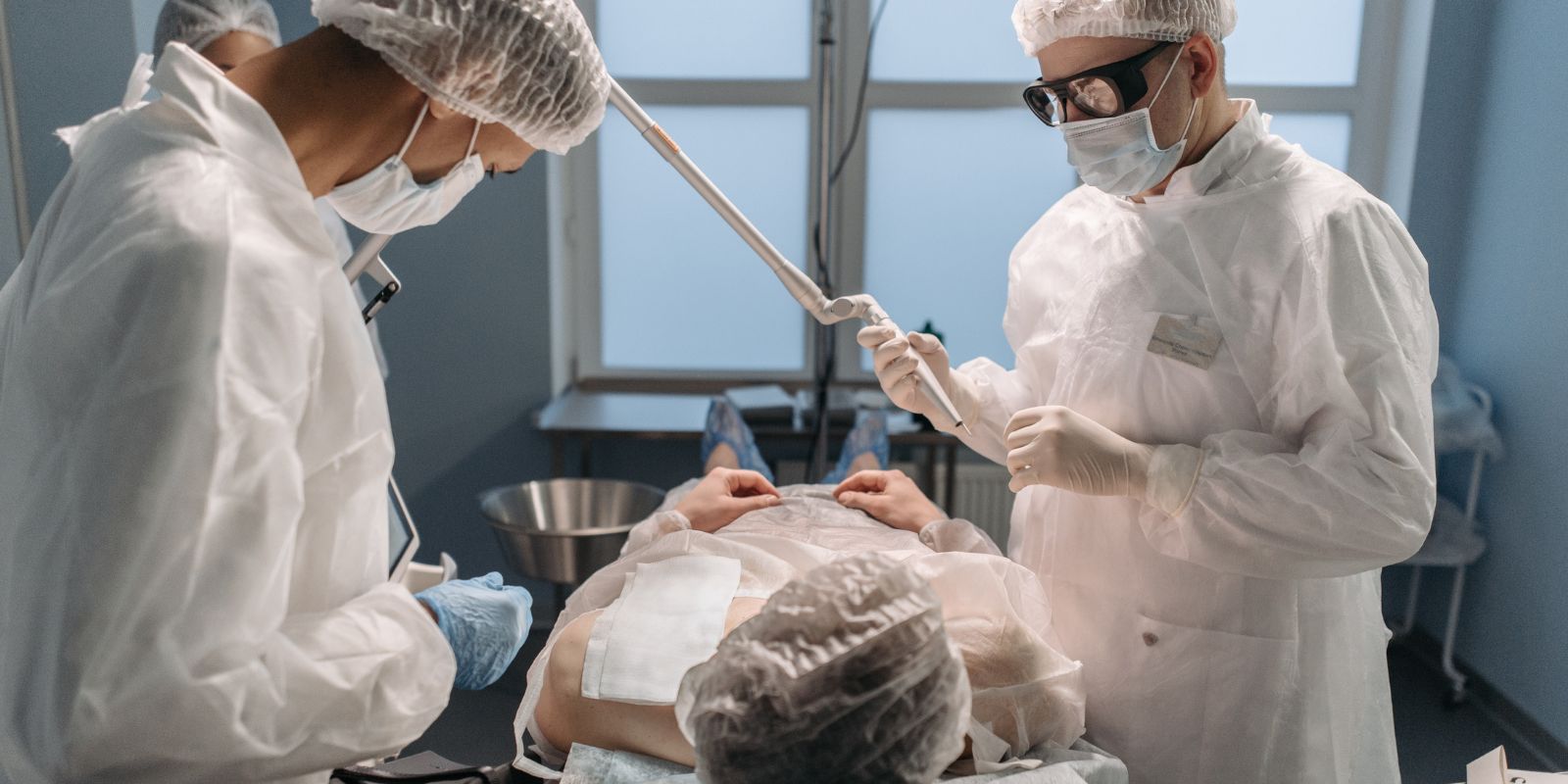
The healthcare industry operates in an environment where precision, speed, and expertise directly impact human lives. At the heart of this system lies the medical workforce for critical roles—highly skilled professionals who ensure uninterrupted patient care during emergencies, peak demand periods, and complex medical situations. From intensive care units and emergency departments to specialized surgical teams, critical medical roles demand competence, resilience, and reliability.
With rising patient volumes, aging populations, technological advancements, and unexpected global health challenges, healthcare organizations face increasing pressure to maintain a strong and flexible medical workforce. Effective staffing for critical roles is no longer optional—it is essential for patient safety, regulatory compliance, and operational stability.
Understanding Critical Medical Roles
Critical medical roles are positions that directly influence patient survival, treatment outcomes, and healthcare continuity. These roles often require advanced qualifications, specialized training, and the ability to perform under high-pressure conditions.
Key critical roles include:
- Emergency physicians and trauma specialists
- Intensive Care Unit (ICU) nurses
- Anesthesiologists
- Critical care technicians
- Respiratory therapists
- Surgeons and surgical assistants
- Infection control specialists
- Dialysis and oncology nurses
The absence or shortage of professionals in these roles can lead to delayed treatments, increased medical errors, and compromised patient outcomes.
Challenges in Staffing Critical Medical Positions
Recruiting and retaining professionals for critical medical roles presents unique challenges. Healthcare providers worldwide struggle to meet demand due to multiple factors.
1. Skill Shortages
Highly specialized roles require years of education and training, resulting in a limited talent pool.
2. Burnout and Fatigue
Critical care professionals often face long shifts, emotional stress, and high workloads, increasing turnover rates.
3. Regulatory and Credentialing Requirements
Strict licensing, compliance, and credential verification processes can slow down hiring.
4. Geographic Imbalances
Rural and underserved areas often experience severe shortages of qualified medical staff.
5. Emergency and Seasonal Demand Spikes
Pandemics, disasters, and seasonal illness outbreaks require rapid workforce scaling.
Importance of a Strong Medical Workforce for Critical Roles
A well-staffed critical medical workforce delivers benefits that extend beyond immediate patient care.
Improved Patient Safety
Adequate staffing ensures faster response times, accurate diagnoses, and reduced medical errors.
Operational Continuity
Hospitals and clinics can maintain uninterrupted services even during peak demand or staff absences.
Regulatory Compliance
Meeting staffing ratios and accreditation standards protects healthcare organizations from penalties.
Staff Morale and Retention
Balanced workloads reduce burnout and improve job satisfaction among medical professionals.
Enhanced Reputation and Trust
Reliable critical care services strengthen patient confidence and institutional credibility.
Strategic Approaches to Medical Workforce Planning
Healthcare organizations must adopt proactive strategies to ensure consistent availability of critical medical talent.
1. Workforce Forecasting and Planning
Analyzing patient trends, retirement rates, and service expansion plans helps anticipate staffing needs well in advance.
2. Flexible Staffing Models
Temporary staffing, locum tenens, contract professionals, and per-diem staff provide agility during demand fluctuations.
3. Partnerships with Medical Staffing Agencies
Specialized staffing partners maintain pre-vetted talent pools, enabling faster placement for urgent roles.
4. Upskilling and Cross-Training
Training existing staff for multiple competencies improves workforce adaptability and reduces dependency on external hiring.
5. Technology-Driven Recruitment
AI-powered screening, digital credentialing, and telehealth staffing platforms streamline recruitment processes.
Role of Medical Staffing Solutions in Critical Care
Medical staffing solutions play a vital role in bridging workforce gaps for critical roles. These providers specialize in identifying, verifying, and deploying skilled professionals quickly and efficiently.
Benefits of Medical Staffing Solutions:
- Access to a wider talent pool
- Faster turnaround times for urgent hiring
- Verified credentials and compliance assurance
- Reduced administrative burden
- Scalable staffing during emergencies
By leveraging staffing expertise, healthcare organizations can focus on patient care while ensuring critical roles are consistently filled.
Impact of Technology on Critical Medical Workforce Management
Technology is reshaping how healthcare organizations manage their medical workforce.
Telemedicine and Remote Care
Specialists can support critical cases remotely, expanding access to expertise.
Digital Scheduling Tools
Automated rostering ensures optimal staff allocation and reduces overtime fatigue.
Data Analytics
Performance and workload data help identify staffing gaps and optimize workforce deployment.
E-Learning Platforms
Continuous education keeps professionals updated on the latest clinical protocols.
Ensuring Compliance and Quality Standards
Critical medical roles require strict adherence to healthcare regulations and quality benchmarks. Effective workforce management ensures:
- Proper licensing and credential validation
- Compliance with local and international healthcare standards
- Regular performance evaluations
- Ongoing training and certification renewals
Maintaining these standards minimizes legal risks and enhances patient outcomes.
Future Trends in Medical Workforce for Critical Roles
The future of healthcare staffing will focus on adaptability, technology, and resilience.
- Increased reliance on hybrid staffing models
- Growth in tele-critical care services
- Greater emphasis on mental health and burnout prevention
- Expansion of global talent sourcing
- AI-driven workforce optimization
Healthcare providers that embrace these trends will be better equipped to handle evolving patient needs.
Conclusion
A reliable medical workforce for critical roles is the backbone of effective healthcare delivery. As demand for high-quality medical services continues to grow, healthcare organizations must invest in strategic workforce planning, flexible staffing models, and technology-driven solutions.