In today’s highly competitive industrial environment, quality output is no longer a differentiator—it is a necessity. Manufacturers across sectors are under constant pressure to deliver defect-free products, meet strict regulatory standards, and satisfy increasingly informed customers. While advanced machinery, automation, and digital tools play an important role, the true foundation of consistent quality lies in the manufacturing workforce. A skilled, engaged, and well-managed workforce is essential for achieving and sustaining high-quality output.
This article explores how a strong manufacturing workforce directly contributes to quality output, why human capital remains critical despite automation, and what strategies organizations can adopt to build a quality-driven workforce.
Understanding Quality Output in Manufacturing
Quality output in manufacturing refers to producing goods that consistently meet predefined specifications, performance standards, and customer expectations. It includes factors such as:
- Product accuracy and consistency
- Compliance with safety and regulatory standards
- Minimal defects and rework
- Reliability and durability of finished goods
- Customer satisfaction and brand trust
Achieving these outcomes is not solely dependent on machines or processes. It requires human oversight, decision-making, skill, and accountability at every stage of production.
The Role of the Manufacturing Workforce in Quality
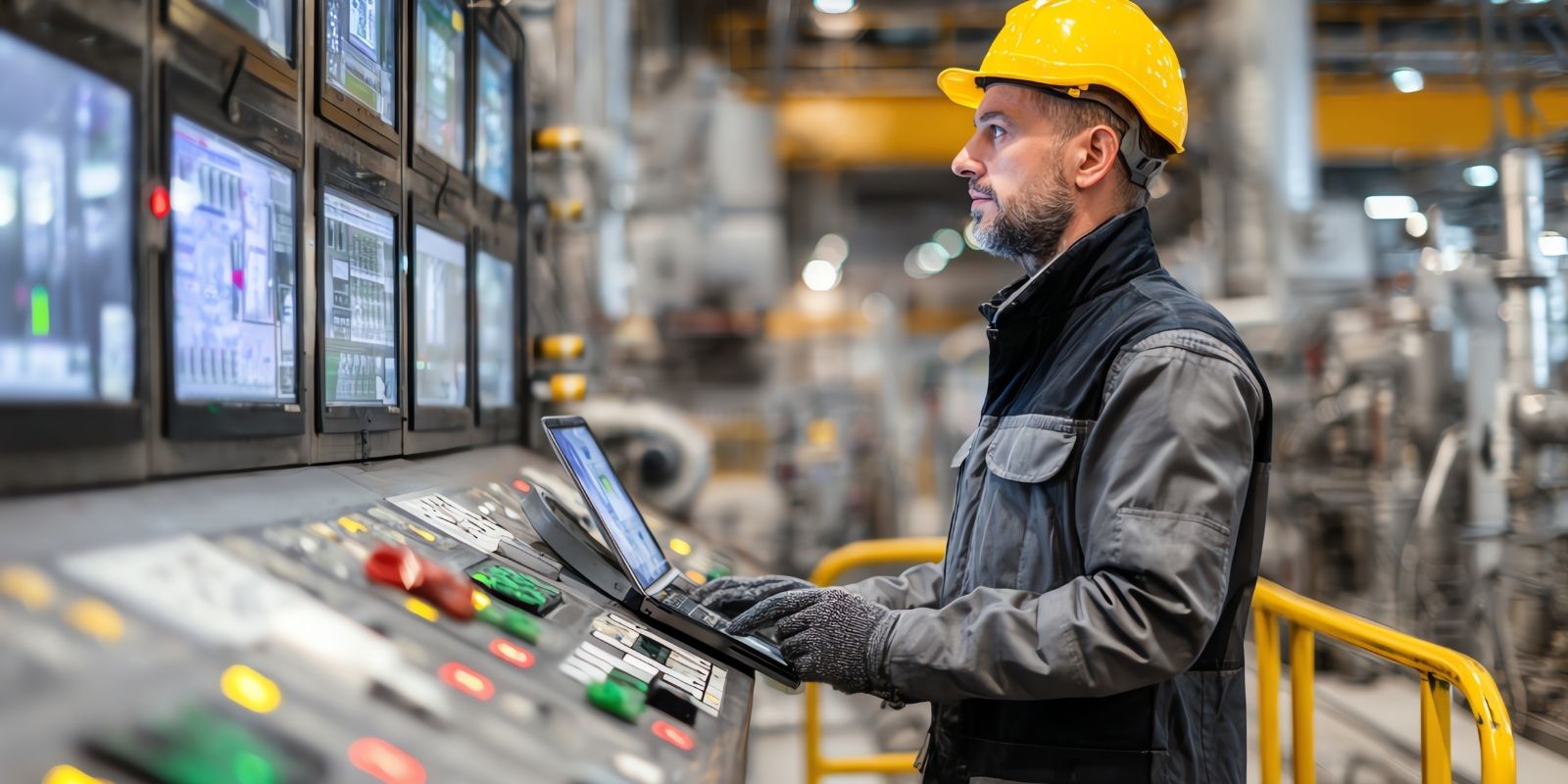
Even in highly automated factories, people remain central to quality control. From machine operators and technicians to quality inspectors and supervisors, each role contributes directly or indirectly to final output quality.
1. Skilled Operators Ensure Process Accuracy
Machine operators are responsible for setting up equipment, monitoring operations, and making real-time adjustments. Skilled operators understand tolerances, material behavior, and process variables. Their ability to identify deviations early helps prevent defects before they multiply.
An experienced workforce can:
- Detect abnormal sounds, vibrations, or output patterns
- Adjust machine parameters to maintain consistency
- Prevent equipment misuse that can lead to quality failures
Without skilled hands and eyes on the shop floor, even the most advanced machinery can produce substandard results.
2. Quality Awareness Reduces Errors and Waste
A quality-focused manufacturing workforce understands the importance of “doing it right the first time.” Employees who are trained in quality standards and defect prevention are more likely to follow procedures, document issues, and take corrective action.
This mindset leads to:
- Lower rejection and scrap rates
- Reduced rework and downtime
- Improved material utilization
- Cost savings across the production cycle
Quality awareness transforms employees from task performers into quality guardians.
3. Human Judgment Complements Automation
Automation improves speed and consistency, but it cannot fully replace human judgment. Workers are needed to interpret data, respond to unexpected situations, and make decisions that machines cannot.
For example:
- Identifying root causes of recurring defects
- Deciding whether a borderline product meets quality standards
- Balancing productivity targets with quality requirements
A competent manufacturing workforce bridges the gap between automated systems and real-world variability.
Training and Skill Development for Quality Output
One of the most effective ways to improve quality output is through continuous training and upskilling of the manufacturing workforce.
1. Technical Skill Training
Employees must be trained on:
- Machine operation and maintenance
- Process control techniques
- Measurement tools and inspection methods
- Industry-specific standards and certifications
Well-trained workers are more confident, accurate, and efficient in their roles.
2. Quality Management Training
Training in quality methodologies such as:
- Total Quality Management (TQM)
- Six Sigma
- Lean Manufacturing
- ISO quality standards
helps employees understand how their daily tasks impact overall product quality and business performance.
3. Cross-Functional Skill Development
A flexible workforce with cross-functional skills can maintain quality even during absenteeism, demand spikes, or process changes. Multi-skilled workers reduce dependency on individuals and ensure consistent output.
Workforce Engagement and Quality Performance
Employee engagement has a direct link to quality output. Engaged workers are more attentive, accountable, and motivated to maintain standards.
1. Ownership and Accountability
When employees feel responsible for their work, they take ownership of quality outcomes. Clear role definitions, performance metrics, and feedback systems encourage accountability.
2. Communication and Collaboration
Quality issues often arise from miscommunication between teams. A collaborative manufacturing workforce that communicates effectively across shifts, departments, and hierarchies can quickly resolve issues and prevent recurrence.
3. Recognition and Motivation
Recognizing employees for quality improvements, zero-defect performance, or process innovations reinforces positive behavior. Motivation drives consistency and long-term commitment to quality goals.
Workforce Stability and Consistent Quality
High workforce turnover is a major threat to quality output. New or temporary workers often require time to understand processes, standards, and expectations.
A stable manufacturing workforce offers:
- Institutional knowledge retention
- Better process control
- Reduced training and error costs
- Stronger quality culture
Investing in employee retention is therefore an indirect but powerful quality strategy.
Safety, Discipline, and Quality Connection
Safety and quality are closely linked. Unsafe practices often lead to mistakes, damaged products, and inconsistent output. A disciplined workforce that follows safety protocols is more likely to follow quality procedures as well.
Safe working environments:
- Improve employee focus and morale
- Reduce disruptions and accidents
- Support consistent and reliable production
A safety-first culture naturally supports quality excellence.
Leadership’s Role in Building a Quality-Driven Workforce
Leadership commitment is essential for aligning the manufacturing workforce with quality objectives.
Effective leaders:
- Set clear quality expectations
- Invest in training and tools
- Encourage reporting of defects without fear
- Lead by example in following standards
When leadership prioritizes quality over short-term output, the workforce follows suit.
Future-Ready Manufacturing Workforce for Quality
As manufacturing evolves with Industry 4.0, the definition of a quality workforce is also changing. Digital skills, data literacy, and adaptability are becoming just as important as mechanical skills.
A future-ready workforce:
- Uses data to monitor and improve quality
- Works alongside automation and AI systems
- Continuously learns and adapts to new technologies
Organizations that invest today in workforce transformation will achieve superior quality outcomes tomorrow.
Conclusion
Quality output in manufacturing is not achieved by machines alone—it is built by people. A skilled, trained, engaged, and stable manufacturing workforce is the backbone of consistent quality, operational efficiency, and customer satisfaction. By focusing on workforce development, engagement, and leadership support, manufacturers can create a culture where quality is embedded in every process and every product.